Q. What are the early warning signs of Gastrointestinal Infections in Humid Weather that need urgent medical attention?
Doctor Answer is medically reviewed by SecondMedic medical review team.
What are the early warning signs of Gastrointestinal Infections in Humid Weather that need urgent medical attention?
Gastrointestinal infections increase during humid weather due to the growth of bacteria, viruses, and parasites in contaminated food or water. Recognizing early warning signs is essential to prevent serious complications.
Here are key early warning signs that require urgent medical attention:
-
Frequent loose or watery stools (more than three times a day)
-
Severe abdominal cramps or pain that does not go away
-
High fever (above 101°F or 38.5°C) with chills
-
Persistent vomiting or inability to keep food or fluids down
-
Signs of dehydration like dry mouth, dizziness, and little to no urination
-
Blood or mucus in stool, indicating possible severe infection
-
Fatigue or weakness even after rest or fluid intake
-
Sudden loss of appetite along with nausea
-
Swollen or tender stomach, especially with pain on touch
-
Rapid heartbeat or low blood pressure from fluid loss
Additional Signs to Watch in Children and the Elderly:
-
Sunken eyes or cheeks
-
Unusual drowsiness or irritability
-
No tears when crying (infants)
-
Confusion or disorientation in elderly people
Conclusion:
Ignoring these symptoms can lead to complications like dehydration, electrolyte imbalance, or organ failure. If you or someone you know experiences any of the above warning signs during humid weather, consult a doctor immediately.
Stay alert and act fast—know what are the early warning signs of Gastrointestinal Infections in Humid Weather that need urgent medical attention to protect your health during the monsoon.

Q. Hello Doctor, from past 3 weeks I have too much dandruff problem and it cause hair loss will you suggest any best solution for this?
Doctor Answer is medically reviewed by SecondMedic medical review team.
Answered by Secondmedic ExpertDealing with excessive dandruff leading to hair loss can be frustrating, but there are effective ways to address this issue. Here's what you can do:
1. Switch to a Gentle Shampoo: Opt for shampoos specifically designed for dandruff, containing ingredients like ketoconazole, zinc pyrithione, coal tar, or selenium sulfide. Use these shampoos regularly to reduce dandruff buildup.
2. Scalp Massage: Gently massage your scalp while shampooing to help remove flakes and improve blood circulation, which can promote healthier hair growth.
3. Avoid Hot Water: Wash your hair with lukewarm water instead of hot water, as hot water can dry out your scalp and worsen dandruff.
4. Balanced Diet: Ensure you're eating a balanced diet rich in vitamins and minerals essential for healthy hair and scalp, such as omega-3 fatty acids, zinc, and B vitamins.
5. Manage Stress: Stress can exacerbate dandruff problems. Practice stress-relief techniques like meditation, yoga, or regular exercise to help manage stress levels.
6. Apple Cider Vinegar Rinse: Consider using diluted apple cider vinegar as a rinse after shampooing. It can help restore the scalp's pH balance and reduce dandruff.
7. Consult a Dermatologist: If the issue persists despite trying home remedies or over-the-counter solutions, seek advice from a dermatologist. They can provide a personalized treatment plan tailored to your specific scalp condition.
Remember, consistency is key when dealing with dandruff. Give these remedies some time to work, as immediate results might not always occur. It's essential to find what works best for your scalp, so don't get discouraged if you don't see immediate improvements.
Taking care of your scalp health not only addresses dandruff but also aids in reducing hair loss associated with this issue. Feel free to incorporate these tips into your routine and observe how your scalp responds. If the problem persists or worsens, seeking professional guidance is always recommended.
Related Questions
-
Cardiology Heart disease Do defibrillators and pacemakers replac
-
Cardiology Heart disease What is biochemical angioplasty? How pr
-
I was recently prescribed Ramipril 2.5mg to treat high blood pressure. After taking it for 9 days I started having diarrhoea, which has persisted for 4 days now. This is listed as a possible side effect but I’m worried about the longevity of it. Is it normal to last this long as my body adjusts to the drug, or is it a concern? I had blood tests taken yesterday that came back normal. | Secondmedic
-
Cardiology Heart disease What causes high blood pressure (hypert
-
How can patients and their families best prepare for and cope with the challenges of living with Congenital Heart Disease? | Secondmedic
-
How does the heart maintain a normal heart rhythm? | Secondmedic
Related Posts


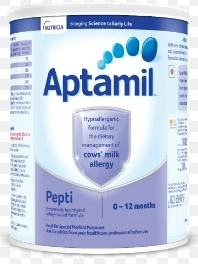
Aptamil Pepti Infant Formula 0 to 12 Months Tin 400gm
Brand: Nutricia International Private Limited
₹2000.00₹1960.00
View Details

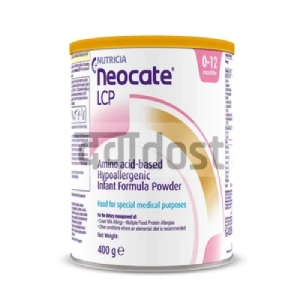
Neocate LCP Infant Formula Powder 400GM
Brand: Nutricia International Private Limited