Q. I have a spinal deformity. I find great relief from chiropractic/osteopathic medicine, I might be addicted. Is addiction even possible, or is it my body telling me it needs more?
Doctor Answer is medically reviewed by SecondMedic medical review team.
The idea that one could become “addicted” to chiropractic or osteopathic medicine is an interesting one. While it may seem counterintuitive at first, there are certainly cases where relief from these treatments can be psychologically reinforcing, leading to a pattern of dependence over time.
In terms of addiction specifically, the American Chiropractic Association defines it as "the development of a habit forming behavior characterized by recurrent visits for services not medically necessary and beyond what is needed for normal care." In other words, if you feel like you need more frequent treatments than prescribed by your physician or find yourself feeling increased relief when visiting a chiropractor/osteopath then this could serve as evidence that an addiction has developed.
That being said, musculoskeletal conditions such as spinal deformities often require ongoing treatment and it's not uncommon for those affected to seek out additional therapies in order to better manage their condition. Additionally, psychiatric comorbidities including depression, PTSD and anxiety are also common among chronic pain patients which can increase the risk of developing behaviors similar to addiction. Therefore before labeling any behavior as “addictive” it is important to consider all possible factors involved with treatment seeking behaviors in chronic pain sufferers; physical symptoms only form part of the equation - mental health should also be taken into consideration.

Q. Hello Doctor, from past 3 weeks I have too much dandruff problem and it cause hair loss will you suggest any best solution for this?
Doctor Answer is medically reviewed by SecondMedic medical review team.
Answered by Secondmedic ExpertDealing with excessive dandruff leading to hair loss can be frustrating, but there are effective ways to address this issue. Here's what you can do:
1. Switch to a Gentle Shampoo: Opt for shampoos specifically designed for dandruff, containing ingredients like ketoconazole, zinc pyrithione, coal tar, or selenium sulfide. Use these shampoos regularly to reduce dandruff buildup.
2. Scalp Massage: Gently massage your scalp while shampooing to help remove flakes and improve blood circulation, which can promote healthier hair growth.
3. Avoid Hot Water: Wash your hair with lukewarm water instead of hot water, as hot water can dry out your scalp and worsen dandruff.
4. Balanced Diet: Ensure you're eating a balanced diet rich in vitamins and minerals essential for healthy hair and scalp, such as omega-3 fatty acids, zinc, and B vitamins.
5. Manage Stress: Stress can exacerbate dandruff problems. Practice stress-relief techniques like meditation, yoga, or regular exercise to help manage stress levels.
6. Apple Cider Vinegar Rinse: Consider using diluted apple cider vinegar as a rinse after shampooing. It can help restore the scalp's pH balance and reduce dandruff.
7. Consult a Dermatologist: If the issue persists despite trying home remedies or over-the-counter solutions, seek advice from a dermatologist. They can provide a personalized treatment plan tailored to your specific scalp condition.
Remember, consistency is key when dealing with dandruff. Give these remedies some time to work, as immediate results might not always occur. It's essential to find what works best for your scalp, so don't get discouraged if you don't see immediate improvements.
Taking care of your scalp health not only addresses dandruff but also aids in reducing hair loss associated with this issue. Feel free to incorporate these tips into your routine and observe how your scalp responds. If the problem persists or worsens, seeking professional guidance is always recommended.
Related Posts

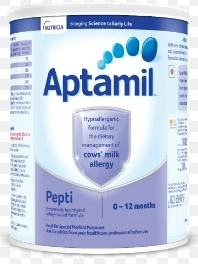
Aptamil Pepti Infant Formula 0 to 12 Months Tin 400gm
Brand: Nutricia International Private Limited
₹2000.00₹1960.00
View Details
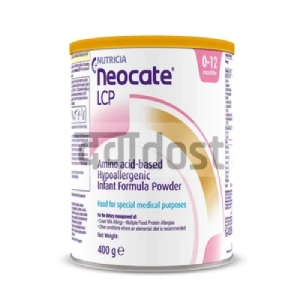
Neocate LCP Infant Formula Powder 400GM
Brand: Nutricia International Private Limited