Q. How can parents identify ultraprocessed food consumption in children's diets?
Doctor Answer is medically reviewed by SecondMedic medical review team.
How Can Parents Identify Ultraprocessed Food Consumption in Children's Diets?
Read Nutrition Labels
-
Check for long ingredient lists with unfamiliar or chemical-sounding names.
-
Look out for added sugars, artificial colors, preservatives, and flavor enhancers like MSG.
Avoid Packaged & Ready-to-Eat Meals
-
Foods like instant noodles, frozen pizzas, and processed meats are usually ultraprocessed.
-
These are often high in salt, sugar, and unhealthy fats.
Watch for Addictive Flavors
-
Kids may crave foods with intense sweetness or saltiness.
-
These are often created using artificial additives to enhance taste and texture.
Look at the Food’s Appearance
-
Bright, unnatural colors or shiny, uniform textures are signs of heavy processing.
-
Natural foods rarely have such extreme visual appeal.
Limit Sugary Snacks & Beverages
-
Sugary cereals, candies, flavored yogurts, and soft drinks are often ultraprocessed.
-
Even juice boxes can have hidden sugars and additives.
Notice Eating Habits & Cravings
-
Children frequently asking for the same packaged snacks may signal a dependence on ultraprocessed items.
-
These foods can be designed to encourage overconsumption.
Promote Whole & Homemade Foods
-
Encourage fruits, vegetables, nuts, lean meats, and homemade meals.
-
Involve kids in grocery shopping and cooking to build awareness.
Conclusion
By being label-savvy, avoiding artificial ingredients, and encouraging natural foods, parents can make smarter choices for their kids' nutrition.
Wondering how can parents identify ultraprocessed food consumption in children's diets? Start with simple label checks and healthier swaps today!

Q. Hello Doctor, from past 3 weeks I have too much dandruff problem and it cause hair loss will you suggest any best solution for this?
Doctor Answer is medically reviewed by SecondMedic medical review team.
Answered by Secondmedic ExpertDealing with excessive dandruff leading to hair loss can be frustrating, but there are effective ways to address this issue. Here's what you can do:
1. Switch to a Gentle Shampoo: Opt for shampoos specifically designed for dandruff, containing ingredients like ketoconazole, zinc pyrithione, coal tar, or selenium sulfide. Use these shampoos regularly to reduce dandruff buildup.
2. Scalp Massage: Gently massage your scalp while shampooing to help remove flakes and improve blood circulation, which can promote healthier hair growth.
3. Avoid Hot Water: Wash your hair with lukewarm water instead of hot water, as hot water can dry out your scalp and worsen dandruff.
4. Balanced Diet: Ensure you're eating a balanced diet rich in vitamins and minerals essential for healthy hair and scalp, such as omega-3 fatty acids, zinc, and B vitamins.
5. Manage Stress: Stress can exacerbate dandruff problems. Practice stress-relief techniques like meditation, yoga, or regular exercise to help manage stress levels.
6. Apple Cider Vinegar Rinse: Consider using diluted apple cider vinegar as a rinse after shampooing. It can help restore the scalp's pH balance and reduce dandruff.
7. Consult a Dermatologist: If the issue persists despite trying home remedies or over-the-counter solutions, seek advice from a dermatologist. They can provide a personalized treatment plan tailored to your specific scalp condition.
Remember, consistency is key when dealing with dandruff. Give these remedies some time to work, as immediate results might not always occur. It's essential to find what works best for your scalp, so don't get discouraged if you don't see immediate improvements.
Taking care of your scalp health not only addresses dandruff but also aids in reducing hair loss associated with this issue. Feel free to incorporate these tips into your routine and observe how your scalp responds. If the problem persists or worsens, seeking professional guidance is always recommended.
Related Questions
Related Posts

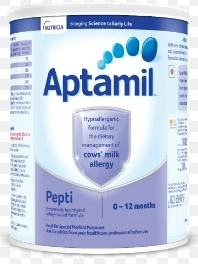
Aptamil Pepti Infant Formula 0 to 12 Months Tin 400gm
Brand: Nutricia International Private Limited
₹2000.00₹1960.00
View Details
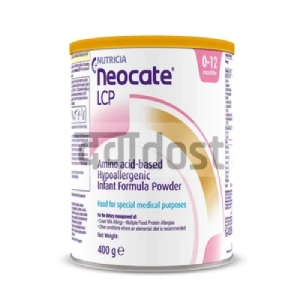
Neocate LCP Infant Formula Powder 400GM
Brand: Nutricia International Private Limited