The Free Triiodothyronine test in Agra is a diagnostic laboratory test performed on blood (Serum) and booked through SecondMedic from ₹290. A trained phlebotomist collects the sample at your Agra address free of charge, and digital reports are delivered within 24 hours.
| Also Known As | Free Triiodothyronine Test, Free T3, FT3 Thyroid Test |
|---|---|
| Sample Type | Blood (Serum) |
| Fasting Required | No (morning collection preferred) |
| Report Delivery | Within 24 hours |
| Age Group | All age groups |
| Gender | All |
| Test Type | Chemiluminescence Immunoassay (CLIA) / Electrochemiluminescence (ECLIA) |
| Units | pg/mL or pmol/L |
Beyond Agra, SecondMedic collects samples for the Free Triiodothyronine test in 121 cities across India, served by 35 regional processing labs covering over 4,500 pincodes. Select another city below to see its pricing and partner labs. Home collection is available in every city listed.
The questions below are the ones patients in Agra most often ask before booking a Free Triiodothyronine test: what it costs locally, whether fasting is needed, how quickly reports arrive and whether a phlebotomist can visit at home. Each answer reflects how SecondMedic and its partner labs handle this test.
This page was medically reviewed by Dr. Kovid Pandey, MBBS, a General Physician, and last reviewed on 10 March 2026. Clinical statements about the Free Triiodothyronine test are checked against the references listed below before publication, and the page is re-reviewed whenever test guidance or partner lab protocols change.
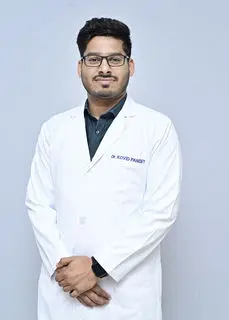
MBBS, General Physician
The clinical statements on this page are drawn from the sources listed below. Each entry names the publishing body and, where one is available, links to the specific document rather than to the organisation homepage, so any claim on this page can be checked against its source.









