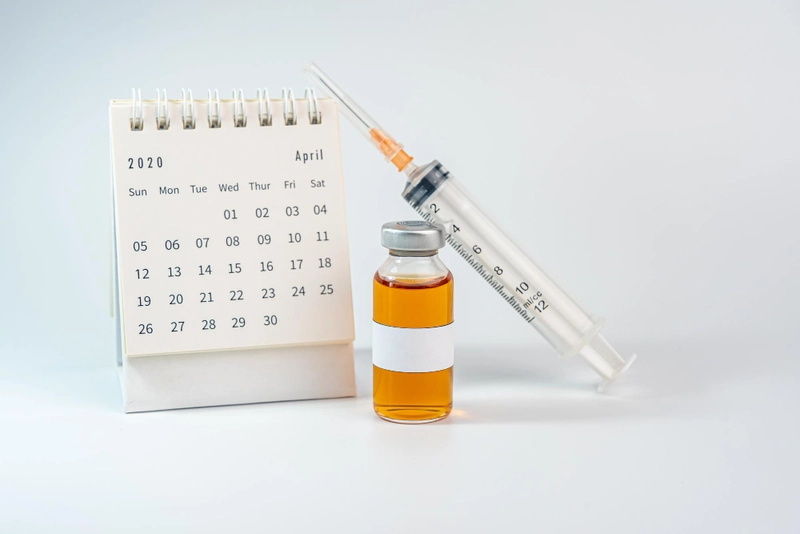
Vaccination schedules are one of the most effective public health tools for preventing serious and life-threatening diseases. In India, immunisation programs provide a structured timeline to protect infants, children, and pregnant women from vaccine preventable illnesses.
Understanding the national vaccine schedule, along with optional pediatric recommendations, helps families ensure timely protection and avoid missed doses during critical stages of growth.
India’s National Immunisation Program
India’s Universal Immunisation Programme (UIP) operates under the National Health Mission and provides free vaccines to eligible populations. The program covers infants, children, and pregnant women and forms the backbone of immunisation efforts across the country.
The schedule followed under the National Immunisation Schedule is designed to provide early and sustained immunity.
National Immunisation Schedule for Children
Vaccines at Birth
-
BCG
-
Oral Polio Vaccine zero dose
-
Hepatitis B birth dose
These vaccines offer early protection against tuberculosis, polio, and hepatitis B.
Vaccines at 6, 10, and 14 Weeks
-
Pentavalent vaccine covering diphtheria, pertussis, tetanus, hepatitis B, and Haemophilus influenzae type B
-
Oral Polio Vaccine
-
Inactivated Polio Vaccine
-
Rotavirus vaccine
-
Pneumococcal Conjugate Vaccine in selected regions
This phase strengthens immunity during early infancy when vulnerability to infections is highest.
Vaccines at 9 to 12 Months
-
Measles Rubella vaccine
-
Japanese Encephalitis vaccine in endemic regions
-
Pneumococcal booster where included
These vaccines protect against viral infections that commonly affect young children.
Vaccines at 16 to 24 Months and Beyond
-
DPT or DT booster
-
Oral Polio Vaccine booster
-
Second dose of Measles Rubella
-
Vitamin A supplementation continued up to five years of age
Booster doses help maintain immunity as the child grows.
Immunisation for Pregnant Women
Pregnant women are advised to receive Tetanus Diphtheria vaccinations to protect both mother and newborn from tetanus and related infections. These doses are provided under the national program during pregnancy.
Beyond the Government Schedule: Pediatric Recommendations
In addition to the UIP, pediatric bodies in India recommend optional vaccines based on risk, age, and regional disease patterns.
The Indian Academy of Pediatrics suggests additional immunisations such as:
-
Influenza vaccine
-
Varicella vaccine
-
Human Papillomavirus vaccine
-
Typhoid conjugate vaccine
Medical guidelines also support schedules such as administering MMR at specific intervals and including typhoid conjugate vaccines in early childhood where appropriate.
These vaccines are usually available through private healthcare providers and are considered supplementary rather than mandatory.
Why Following the Vaccine Schedule Is Important
Timely vaccination ensures children develop immunity before exposure to infectious diseases. Adhering to the recommended schedule reduces individual risk and helps prevent community outbreaks.
Delays or missed vaccines can increase susceptibility to infections. While catch-up schedules are available, they may not provide the same level of early protection as timely immunisation.
How SecondMedic Supports Immunisation Tracking
SecondMedic helps families manage vaccination schedules more effectively by offering:
-
Digital reminders for upcoming vaccines
-
Access to public and private immunisation centers
-
Secure tracking of vaccination history
-
Support for catch-up scheduling when doses are missed
These tools help parents and caregivers stay organized and ensure consistent immunisation coverage.
Conclusion
A clear vaccine schedule in India helps protect children and pregnant women from preventable diseases at the right time. The Universal Immunisation Programme provides essential coverage, while pediatric recommendations offer added protection where needed.
Staying informed, tracking vaccine due dates, and following national and pediatric guidelines can ensure no child misses critical immunisation. With proper planning and support, families can safeguard long term health and wellbeing.