• Published on: Sep 23, 2024
  • 4 minute read
  • By: SecondMedic Expert

Understanding Respiratory Viruses: Symptoms, Prevention, And Treatment Options

  • WhatsApp share link icon
  • copy & share link icon
  • twitter share link icon
  • facebook share link icon

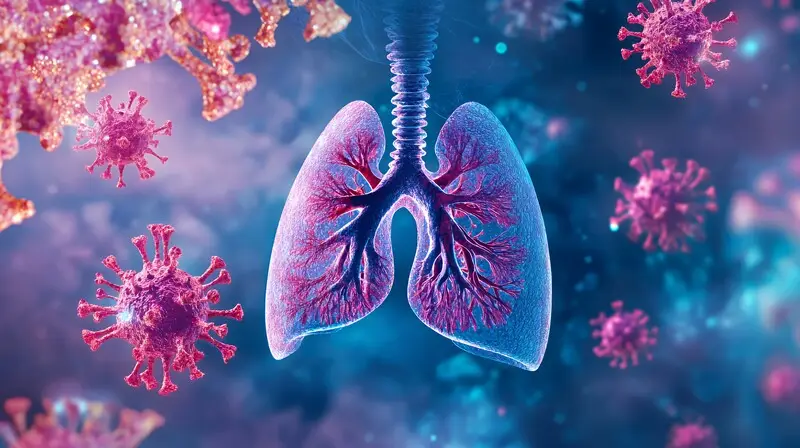
Respiratory viruses are a common health concern that can affect anyone, regardless of age or lifestyle. They range from mild illnesses like the common cold to more severe infections like influenza or COVID-19. With respiratory viruses spreading quickly, it’s crucial to understand the symptoms, prevention strategies, and available treatment options to safeguard your health and the well-being of your loved ones. In this blog, we’ll dive into the causes, symptoms, and treatment of respiratory infections, along with some valuable prevention tips to help you avoid catching these viruses.

What Are Respiratory Viruses?

Respiratory viruses are infectious agents that primarily attack the respiratory system, which includes your nose, throat, and lungs. These viruses are usually spread through droplets from sneezing, coughing, or even talking. Some common examples of respiratory viruses include:

  • Influenza (Flu)

  • Respiratory Syncytial Virus (RSV)

  • Rhinoviruses (which cause the common cold)

  • COVID-19 (caused by the SARS-CoV-2 virus)

These viruses can affect anyone, but they pose a higher risk to individuals with weakened immune systems, young children, older adults, and those with underlying health conditions like asthma or chronic obstructive pulmonary disease (COPD).

Causes of Respiratory Infections

Respiratory viruses spread easily, especially in crowded places like schools, offices, or public transport. The primary mode of transmission is through tiny droplets released when an infected person sneezes or coughs. You can contract the virus if you breathe in these droplets or touch a surface where the virus has landed and then touch your face.

Some factors that increase the risk of catching respiratory infections include:

  1. Close Contact: Spending time near someone who is sick increases the chances of exposure.

  2. Weak Immune System: People with compromised immune systems, such as the elderly or those undergoing treatment for chronic conditions, are more susceptible.

  3. Cold Weather: During colder months, people spend more time indoors, which facilitates the spread of respiratory viruses.

  4. Poor Hygiene: Inadequate handwashing or not covering your mouth while coughing can also lead to increased virus transmission.

Understanding the causes of respiratory infections can help you minimize your risk of getting sick.

Symptoms of Respiratory Viruses

Viral respiratory illness symptoms vary depending on the type of virus but often share common signs such as:

  • Cough: A persistent cough is one of the most common symptoms.

  • Fever: Elevated body temperature, particularly in cases of the flu or COVID-19.

  • Shortness of Breath: Difficulty breathing or tightness in the chest may indicate a more severe infection.

  • Fatigue: Feeling extremely tired or weak.

  • Runny or Stuffy Nose: A classic sign of a cold or other mild respiratory virus.

  • Sore Throat: Common in various respiratory illnesses.

In more severe cases, especially with viruses like influenza or COVID-19, symptoms can include severe shortness of breath, chest pain, or confusion, which may require medical intervention.

Respiratory Virus Prevention Tips

Preventing respiratory infections is possible with simple yet effective lifestyle changes. Here are some practical respiratory virus prevention tips:

  1. Wash Your Hands Regularly: Washing your hands with soap for at least 20 seconds reduces the spread of viruses.

  2. Wear Masks in Crowded Areas: Especially during flu season or a viral outbreak, wearing masks in public places can help block the transmission of respiratory viruses.

  3. Practice Social Distancing: Maintain a safe distance from people who appear to be sick.

  4. Get Vaccinated: Vaccines for certain respiratory viruses, like influenza and COVID-19, can significantly reduce your risk of infection.

  5. Boost Your Immune System: Eat a balanced diet, stay hydrated, and exercise regularly to keep your immune system strong.

  6. Disinfect Commonly Used Surfaces: Clean doorknobs, countertops, and phones regularly, as viruses can survive on surfaces for several hours.

Incorporating these tips into your daily routine can go a long way in preventing the spread of respiratory viruses, protecting not only yourself but those around you.

Treatment for Respiratory Viruses

While there is no cure for most respiratory viruses, treatments are available to alleviate symptoms and support recovery. Here’s a closer look at common treatment options:

  1. Rest and Hydration: Resting allows your body to focus its energy on fighting the virus while staying hydrated helps thin mucus and keeps your throat moist.

  2. Over-the-Counter Medications: Pain relievers like ibuprofen or acetaminophen can reduce fever and ease body aches, while decongestants may help with stuffy noses.

  3. Prescription Antivirals: For certain respiratory viruses like influenza or COVID-19, prescription antiviral medications may be administered to reduce the severity and duration of symptoms.

  4. Oxygen Therapy: In severe cases of respiratory infections that lead to difficulty breathing, supplemental oxygen may be needed. This is common in hospital settings for conditions like severe influenza or COVID-19.

  5. Steam Inhalation: This simple home remedy can help clear nasal congestion and soothe respiratory discomfort.

If symptoms worsen or persist, it's essential to seek medical attention to rule out complications like pneumonia or bronchitis. A healthcare provider can guide you on the appropriate treatment for respiratory viruses based on your specific condition.

When to Seek Medical Help

Most viral respiratory illnesses resolve on their own with proper care. However, if you experience any of the following symptoms, it’s important to seek medical attention promptly:

  • Difficulty breathing or shortness of breath

  • Persistent chest pain or pressure

  • High fever that doesn’t subside with over-the-counter medication

  • Confusion or difficulty staying awake

Timely medical intervention can prevent complications and ensure the best possible outcome.

Conclusion

Respiratory viruses are a part of life, but with knowledge and the right precautions, you can significantly reduce your risk of getting sick. Understanding the causes of respiratory infections, recognizing the symptoms early, and following respiratory virus prevention tips can help you stay healthy. Should you contract a virus, rest, hydrate, and seek medical advice to manage your symptoms effectively. By staying informed and vigilant, you can protect yourself and those around you from the common yet preventable threats posed by respiratory viruses.

Read FAQs


A. Common symptoms of respiratory viruses include cough, fever, sore throat, shortness of breath, runny or stuffy nose, and fatigue. More severe infections, such as COVID-19 or influenza, may cause chest pain, difficulty breathing, or confusion, which require immediate medical attention.

A. You can prevent respiratory viruses by practicing good hygiene, such as washing your hands regularly, wearing masks in crowded places, avoiding close contact with sick individuals, and getting vaccinated for viruses like the flu and COVID-19. Maintaining a healthy immune system through proper diet and exercise also helps.

A. Most respiratory viruses, such as the common cold or mild flu, can be treated at home with rest, hydration, and over-the-counter medications. For more severe infections like influenza or COVID-19, antiviral medications may be prescribed. In extreme cases, hospitalization and oxygen therapy may be required to manage breathing difficulties.

Read Blog
Sleep disorders

Sleep Disorder Treatment: Effective Ways to Restore Healthy Sleep

Sleep is a fundamental biological process essential for physical restoration, mental clarity and emotional balance. Despite its importance, sleep disorders are increasingly common across all age groups. Millions of people struggle with poor sleep quality, difficulty falling asleep or frequent nighttime awakenings, often without seeking help.

Effective sleep disorder treatment plays a critical role in restoring healthy sleep patterns and preventing long-term health complications.


Understanding Sleep Disorders

Sleep disorders are conditions that disrupt normal sleep patterns, affecting the ability to fall asleep, stay asleep or achieve restorative sleep. They can be short-term or chronic and may occur due to lifestyle factors, medical conditions or psychological stress.

According to global and Indian health data, sleep disorders are underdiagnosed despite their strong association with chronic diseases.


Common Types of Sleep Disorders

Insomnia

Insomnia is the most common sleep disorder.

It involves:

  • difficulty falling asleep
     

  • frequent awakenings
     

  • early morning waking
     

  • non-restorative sleep
     

Chronic insomnia significantly affects daily functioning.


Sleep Apnea

Sleep apnea is a serious condition where breathing repeatedly stops during sleep.

Symptoms include:

  • loud snoring
     

  • daytime sleepiness
     

  • morning headaches
     

Untreated sleep apnea increases cardiovascular risk.


Restless Leg Syndrome

This condition causes uncomfortable leg sensations and an urge to move the legs, especially at night.

It disrupts sleep continuity and quality.


Circadian Rhythm Disorders

These occur when the body’s internal clock is misaligned with daily schedules, common in shift workers and frequent travellers.


Why Sleep Disorders Should Not Be Ignored

Chronic sleep problems increase the risk of:

  • heart disease
     

  • hypertension
     

  • diabetes
     

  • obesity
     

  • depression and anxiety
     

  • reduced immunity
     

Poor sleep affects both physical and mental health.


Causes of Sleep Disorders

Sleep disorders often result from multiple factors, including:

  • chronic stress
     

  • irregular sleep schedules
     

  • excessive screen exposure
     

  • caffeine or alcohol use
     

  • medical conditions
     

  • mental health disorders
     

Identifying root causes is essential for effective treatment.


Diagnosis of Sleep Disorders

Diagnosis involves:

  • detailed sleep history
     

  • lifestyle assessment
     

  • medical evaluation
     

  • sleep studies in selected cases
     

Accurate diagnosis guides appropriate treatment.


Sleep Disorder Treatment Approaches

Behavioural and Cognitive Therapy

Cognitive Behavioural Therapy for Insomnia (CBT-I) is a highly effective non-drug treatment.

It focuses on:

  • correcting sleep-related thoughts
     

  • improving sleep routines
     

  • reducing anxiety around sleep
     

CBT-I is recommended as first-line treatment for chronic insomnia.


Lifestyle and Sleep Hygiene Measures

Good sleep hygiene includes:

  • maintaining regular sleep timings
     

  • limiting screen exposure before bedtime
     

  • creating a comfortable sleep environment
     

  • avoiding heavy meals late at night
     

These measures support natural sleep regulation.


Medical Management

Medications may be used:

  • short-term for severe symptoms
     

  • under medical supervision
     

Medication is often combined with behavioural therapy rather than used alone.


Treatment for Sleep Apnea

Management may include:

  • weight management
     

  • positional therapy
     

  • continuous positive airway pressure (CPAP) devices
     

  • treating underlying conditions
     

Early treatment reduces cardiovascular risk.


Role of Mental Health in Sleep Disorders

Sleep and mental health are closely connected.

Conditions such as anxiety and depression:

  • disrupt sleep architecture
     

  • worsen insomnia
     

  • require integrated treatment
     

Addressing mental health improves sleep outcomes.


Importance of Consistency in Treatment

Sleep disorder treatment requires:

  • patience
     

  • consistency
     

  • follow-up
     

Improvement may take weeks, but sustained effort yields lasting results.


Preventing Sleep Disorders

Preventive strategies include:

  • stress management
     

  • physical activity
     

  • balanced nutrition
     

  • limiting stimulants
     

  • maintaining work-life balance
     

Prevention is more effective than treatment alone.


Impact of Technology on Sleep

Excessive screen use affects melatonin production and delays sleep onset.

Reducing nighttime screen exposure significantly improves sleep quality.


When to Seek Professional Help

Consult a healthcare provider if:

  • sleep problems persist beyond two weeks
     

  • daytime functioning is affected
     

  • snoring and breathing pauses are noticed
     

  • sleepiness interferes with safety
     

Early treatment prevents complications.


Long-Term Benefits of Treating Sleep Disorders

Effective sleep disorder treatment leads to:

  • improved energy and concentration
     

  • better mood and emotional stability
     

  • reduced chronic disease risk
     

  • enhanced quality of life
     

Healthy sleep supports overall wellbeing.


Conclusion

Sleep disorder treatment is essential for restoring physical health, mental clarity and emotional balance. While sleep problems are common, they are not normal or harmless. Insomnia, sleep apnea and other sleep disorders can be effectively managed through behavioural therapy, lifestyle changes and medical care when needed. Early recognition and consistent treatment not only improve sleep quality but also protect long-term health. Prioritising sleep is a powerful step toward a healthier and more productive life.


References

  • Indian Council of Medical Research (ICMR) – Sleep Health and Lifestyle Studies
  • World Health Organization (WHO) – Sleep and Mental Health Guidelines
  • National Institute of Mental Health and Neurosciences (NIMHANS) – Sleep Disorders Research
  • Lancet Psychiatry – Sleep Disorders and Chronic Disease Risk
  • NITI Aayog – Mental Health and Preventive Healthcare Reports
  • Statista – Global Sleep Disorder Prevalence and Trends

See all

Live Doctor consultation
Live Doctor Chat

Download Our App & Get Consultation from anywhere.

App Download
call icon for mobile number calling and whatsapp at secondmedic