• Published on: Nov 25, 2025
  • 4 minute read
  • By: Secondmedic Expert

Remote Cardiac Monitoring India: Transforming Heart Health Through Continuous Digital Tracking

  • WhatsApp share link icon
  • copy & share link icon
  • twitter share link icon
  • facebook share link icon

Heart disease remains one of the leading causes of death in India. According to the Indian Council of Medical Research (ICMR), cardiovascular diseases account for nearly 28% of total deaths in the country. With rising stress levels, sedentary lifestyles, air pollution exposure, diabetes, hypertension, and delayed diagnosis, the need for better cardiac monitoring has grown significantly. Remote cardiac monitoring India is emerging as a powerful solution to monitor heart health in real time and detect abnormalities before they turn into emergencies.

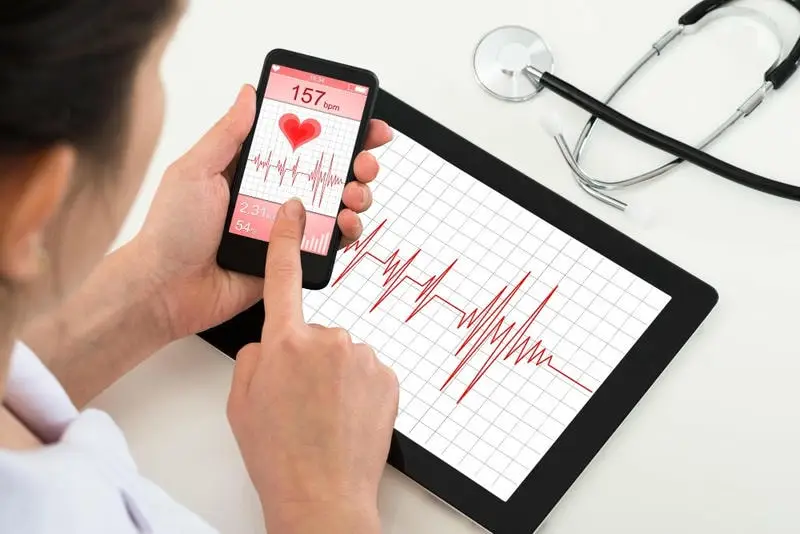
Remote cardiac monitoring involves wearable or portable ECG devices that track heart signals continuously or at regular intervals. These devices transmit data securely to cardiologists or AI-based systems, enabling early detection of arrhythmias, rhythm abnormalities, ischemic patterns, and fluctuations in heart rate variability (HRV). SecondMedic brings cutting-edge remote monitoring options that help patients manage heart-related risks effectively, anytime and anywhere.

Why Remote Cardiac Monitoring Is Becoming Essential in India

India has a disproportionately high cardiac burden. Reports by WHO show that Indians suffer heart attacks at a younger age compared to global averages. Additionally, more than 50% of cardiac patients in India do not recognize early warning signs and reach hospitals late.

Remote cardiac monitoring helps solve these challenges by offering:

  • Early arrhythmia detection
     

  • Timely identification of heart stress
     

  • Post-surgery cardiac recovery supervision
     

  • Reduced hospital dependency
     

  • Continuous heart rhythm tracking
     

  • Better outcomes for chronic heart patients
     

With easy access to digital ECG devices, monitoring is no longer limited to hospitals.

How Remote Cardiac Monitoring Works

Remote cardiac monitoring uses smart ECG patches, chest straps, handheld ECG devices, and even AI-driven wearables. These devices record heart electrical activity or rhythm patterns and transmit the data to:

  • Cardiologists
     

  • Digital dashboards
     

  • AI algorithms
     

  • Care teams
     

The real-time nature of the data allows immediate response in case of abnormalities.

Core parameters captured include:

  • ECG waveform
     

  • Heart rate variability (HRV)
     

  • Arrhythmias (AFib, SVT, PVCs)
     

  • Tachycardia or bradycardia
     

  • QT interval abnormalities
     

  • Stress-related heart rhythm changes
     

SecondMedic ensures that the captured data is clinically relevant and accessible to both patients and doctors.

Patients Who Benefit Most from Remote Cardiac Monitoring

1. Post-Cardiac Surgery Patients

After angioplasty, bypass surgery, pacemaker implantation, or stent placement, patients require strict monitoring for weeks or months. Remote devices track recovery trends.

2. Individuals With Arrhythmia

Conditions like atrial fibrillation (AFib) require continuous monitoring, as episodes may come and go unpredictably.

3. Patients With Heart Failure

Monitoring helps evaluate worsening symptoms or cardiac stress.

4. High-Risk Individuals

Patients with diabetes, hypertension, obesity, or family history of heart disease benefit from early detection.

5. Elderly and Homebound Patients

Remote monitoring eliminates frequent hospital visits for routine ECG checks.

6. People Experiencing Palpitations

Intermittent symptoms can be captured and analyzed with wearable monitors.

Key Advantages of Remote Cardiac Monitoring

Early Detection Saves Lives

Abnormal rhythms such as atrial fibrillation can go unnoticed and lead to stroke. Remote monitoring detects these in real time.

Avoids Emergency Situations

AI alerts allow doctors to intervene early before symptoms worsen.

Better Long-Term Cardiac Care

Continuous data provides better insights than occasional clinic-based ECGs.

High Accuracy

Medical-grade ECG wearables match hospital-level precision for diagnosis.

Patient Convenience

Patients can monitor their heart health from home, office, or while traveling.

Improved Doctor Decisions

Trend-based cardiac data supports more accurate treatment planning.

Role of AI in Remote Cardiac Monitoring

AI and machine learning models analyze patterns collected from ECG devices.

AI enhances care by:

  • Identifying subtle abnormalities
     

  • Predicting arrhythmia events
     

  • Detecting ischemic trends early
     

  • Classifying ECG signal types
     

  • Reducing manual interpretation burden
     

SecondMedic integrates AI-assisted analysis to strengthen cardiac risk evaluation.

Post-Surgery and Rehabilitation Monitoring

Cardiac rehabilitation is crucial after major procedures. Remote monitoring provides:

  • Heart rate control
     

  • Blood pressure trend tracking
     

  • Rhythm abnormality detection
     

  • Activity monitoring
     

  • Medication adherence support
     

This reduces readmission rates and supports safer recovery.

Remote Cardiac Monitoring in Rural India

Many small towns lack cardiology specialists or advanced ECG equipment. Remote monitoring bridges this gap by:

  • Connecting patients to cardiologists virtually
     

  • Providing ECG analysis without hospital visits
     

  • Reducing delay in diagnosis
     

  • Supporting long-term monitoring at home
     

SecondMedic helps democratize heart care access across India.

Challenges and Solutions

Device Accuracy Variability

Solution: Use medical-grade, certified ECG wearables.

Digital Literacy Issues

Solution: Simple interfaces, guided onboarding, multilingual instructions.

Data Security

Solution: End-to-end encrypted data under DPDP Act compliance.

Connectivity Challenges

Solution: Devices with offline sync capabilities.

Future of Remote Cardiac Monitoring in India

The next decade will bring significant advancements:

  • Patch-based continuous ECG devices
     

  • AI-driven early warning scores
     

  • Smart pacemaker data integration
     

  • Multi-day continuous ECG monitoring
     

  • Predictive arrhythmia detection algorithms
     

  • Tele-ICU support for remote patients
     

SecondMedic is actively working to integrate next-generation cardiac monitoring tools into its platform.

Conclusion

Remote cardiac monitoring India is transforming heart care by enabling real-time ECG tracking, early abnormality detection, and continuous cardiologist oversight. This digital-first approach empowers high-risk patients, improves outcomes, and ensures safer long-term cardiac management. SecondMedic’s integrated digital heart monitoring solutions allow patients across India to access expert cardiac care anytime.

To explore remote cardiac monitoring solutions, visit www.secondmedic.com

References

  • ICMR - Cardiovascular disease burden
     

  • WHO - Early cardiac risk detection
     

  • NITI Aayog - Digital health innovation in India
     

  • ABDM - Unified digital health mission
     

  • Statista - Wearable and ECG device adoption India
     

  • SecondMedic cardiac care insights

Read FAQs


A. It is continuous digital monitoring of ECG and heart rhythms using wearable or portable devices.

A. Patients with arrhythmia, heart failure, hypertension, post-cardiac surgery, palpitations, or high cardiac risk.

A. ECG patterns, heart rate, rhythm changes, HRV, and early signs of cardiac stress.

A. Yes. SecondMedic integrates smart ECG devices and cardiologist-led analysis.

A. Medical-grade digital ECG devices offer high accuracy comparable to hospital equipment.

Read Blog
Chest pain

Chest Pain While Breathing: Causes, Warning Signs, and When to Seek Urgent Care

Chest pain is one of the most alarming symptoms a person can experience, especially when it worsens during breathing. Chest pain while breathing, also known as pleuritic chest pain, often indicates involvement of the lungs, chest wall or surrounding structures. While some causes are mild, others can be life-threatening and require immediate medical attention.

In India, respiratory infections, air pollution, sedentary lifestyles and delayed medical care contribute significantly to chest-related symptoms.


What Does Chest Pain While Breathing Mean?

Chest pain while breathing refers to pain that:

  • worsens with deep inhalation or exhalation

  • may feel sharp, stabbing or burning

  • can be localized or spread across the chest

Pain intensity often increases with coughing or movement.


Common Causes of Chest Pain While Breathing

Lung Infections (Pneumonia)

Pneumonia inflames lung tissue and surrounding membranes.

Symptoms include:

  • chest pain while breathing

  • fever

  • cough

  • breathlessness

ICMR data identifies pneumonia as a major cause of respiratory illness in India.


Pleuritis (Inflammation of Lung Lining)

The pleura are thin membranes surrounding the lungs.

When inflamed:

  • breathing causes friction

  • sharp chest pain occurs

Pleuritis often follows viral infections or pneumonia.


Pulmonary Embolism

A blood clot in the lungs causes:

  • sudden chest pain

  • rapid breathing

  • severe breathlessness

This is a medical emergency requiring immediate care.


Chest Wall Muscle Strain

Muscle strain due to:

  • heavy lifting

  • intense coughing

  • poor posture

can cause pain during breathing or movement.


Costochondritis

Inflammation of rib cartilage causes:

  • localized chest pain

  • pain worsened by breathing or pressing on the chest

This condition is painful but not life-threatening.


Pneumothorax (Collapsed Lung)

Air leakage into the chest cavity causes:

  • sudden sharp chest pain

  • breathlessness

Often seen after trauma or in individuals with lung disease.


Heart-Related Causes

Though heart pain usually does not worsen with breathing, conditions such as:

  • pericarditis (heart lining inflammation)

can cause chest pain that changes with respiration.


Acid Reflux and Esophageal Spasm

Gastrointestinal causes may mimic chest pain.

However:

  • pain usually relates to meals

  • breathing-related pain should be evaluated carefully


Anxiety and Panic Disorders

Anxiety can cause:

  • chest tightness

  • rapid breathing

  • discomfort while breathing

Medical causes must be ruled out before attributing pain to anxiety.


Warning Signs That Require Emergency Attention

Seek immediate medical care if chest pain while breathing is associated with:

  • sudden onset

  • severe breathlessness

  • bluish lips or fingers

  • dizziness or fainting

  • sweating

  • coughing up blood

These may indicate life-threatening conditions.


Risk Factors for Serious Chest Pain

Higher risk occurs in people with:

  • smoking history

  • recent surgery or long travel

  • lung disease

  • heart disease

  • clotting disorders

Early evaluation is critical.


Diagnostic Evaluation

Doctors may recommend:

  • physical examination

  • chest X-ray

  • ECG

  • blood tests

  • CT scan

Timely diagnosis saves lives.


Why Chest Pain Should Not Be Ignored

Ignoring chest pain can lead to:

  • delayed treatment

  • worsening respiratory failure

  • preventable complications

WHO emphasises early symptom recognition for better outcomes.


Impact of Air Pollution and Lifestyle

Air pollution increases:

  • lung inflammation

  • infection risk

Sedentary habits reduce lung capacity, worsening symptoms.


Preventive Measures

Helpful preventive steps include:

  • avoiding smoking

  • staying physically active

  • managing respiratory infections early

  • maintaining good posture

  • staying hydrated

Preventive care reduces risk.


Role of Preventive Health Checkups

Regular health screening helps detect:

  • early lung disease

  • heart risk factors

  • chronic inflammation

Early intervention prevents emergencies.


When Chest Pain Is Less Likely Serious

Pain may be less concerning if:

  • localized

  • reproducible on touch

  • improves with rest

However, medical confirmation is still necessary.


Importance of Timely Medical Consultation

Chest pain should always be evaluated by a healthcare professional.

Delaying care can:

  • increase complications

  • raise mortality risk

Early action saves lives.


Conclusion

Chest pain while breathing is a critical symptom that should never be ignored. While causes range from muscle strain and infections to serious lung and heart conditions, only proper medical evaluation can determine the exact cause. Early diagnosis, timely treatment and preventive care are essential to protect respiratory and cardiovascular health. When it comes to chest pain, it is always safer to act early than to wait.


References

  • Indian Council of Medical Research (ICMR) – Respiratory and Cardiovascular Health Reports

  • World Health Organization (WHO) – Chest Pain and Respiratory Symptoms Guidelines

  • National Family Health Survey (NFHS-5) – Adult Respiratory Health Data

  • Lancet – Pulmonary Embolism and Chest Pain Research

  • NITI Aayog – Preventive Healthcare and Early Symptom Recognition

See all

Live Doctor consultation
Live Doctor Chat

Download Our App & Get Consultation from anywhere.

App Download
call icon for mobile number calling and whatsapp at secondmedic