Blood pressure is one of the most vital indicators of heart health, and it is influenced not just by lifestyle and diet, but also by the environment around us. Many people notice that they feel dizzy, weak, or unusually tired in hot and humid conditions. This is because heat and humidity directly affect blood pressure levels, sometimes lowering them and sometimes triggering dangerous fluctuations.
How Heat Affects Blood Pressure
When temperatures rise, the body responds by dilating (widening) blood vessels. This helps release excess body heat but also lowers blood pressure. For some individuals, especially those already prone to low BP, this may lead to dizziness, fainting, or weakness.
For hypertensive patients, however, the story is more complex. Sudden drops in blood pressure can interfere with medication balance, while extreme heat can also increase the risk of dehydration, which in turn may cause blood pressure to rise again.
Role of Humidity in Blood Pressure Changes
Humidity makes the situation worse. High humidity prevents the body from cooling down effectively because sweat doesn’t evaporate easily. As a result, the heart has to work harder to regulate body temperature, adding strain to the cardiovascular system. This increased stress can lead to unstable blood pressure levels, especially in individuals with hypertension, diabetes, or heart disease.
Common Symptoms of Weather-Linked Blood Pressure Changes
-
Sudden dizziness or fainting spells
-
Excessive sweating with fatigue
-
Rapid or irregular heartbeat
-
Headaches or blurred vision
-
Swelling in hands or feet
If you experience these symptoms frequently in hot, humid conditions, it may be a sign that your blood pressure is being affected by the weather.
Who Is Most at Risk?
-
Elderly individuals with reduced heat tolerance
-
People with pre-existing hypertension or hypotension
-
Patients on diuretics or heart medications
-
Those with obesity, diabetes, or kidney problems
Such groups need to be extra cautious during summer or monsoon seasons when heat and humidity levels fluctuate rapidly.
Tips to Manage Blood Pressure in Hot & Humid Weather
-
Stay Hydrated – Drink enough water and include electrolyte-rich fluids.
-
Limit Outdoor Activity – Avoid direct exposure during peak heat hours.
-
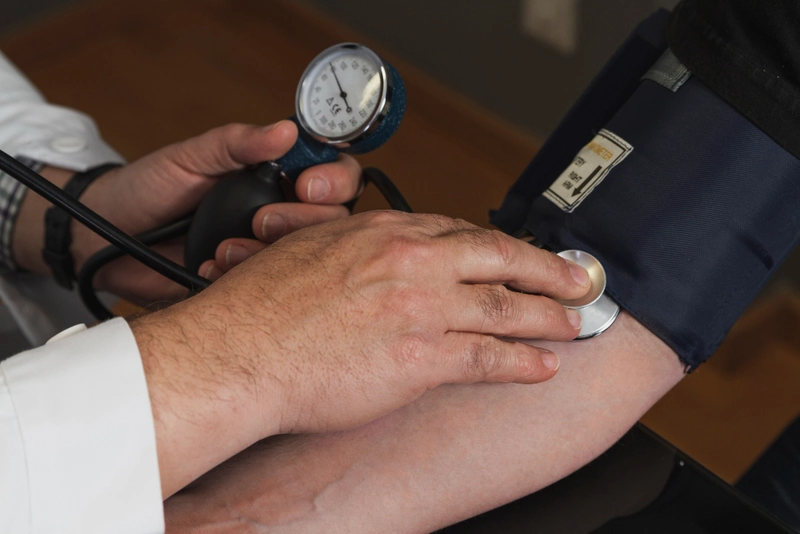
Monitor Blood Pressure Regularly – Use a home BP monitor to detect changes.
-
Eat Light Meals – Reduce salty, oily, and heavy foods that burden the heart.
-
Consult a Doctor if Needed – If symptoms persist, seek medical advice to adjust treatment or medication.
Why Regular Checkups Are Important
Since blood pressure fluctuations can be silent, preventive health checkups play a crucial role. Tests such as Lipid Profile, Kidney Function, and Cardiac Risk Assessment give a clear picture of cardiovascular health. Booking a blood pressure-related checkup with SecondMedic ensures both accurate results and expert doctor guidance for better management.
Conclusion
The link between heat, humidity, and blood pressure is often underestimated, yet it has a significant impact on heart health. By staying hydrated, monitoring your BP, and getting regular health tests, you can avoid complications and maintain stable blood pressure even in harsh weather conditions. To safeguard your heart health, consider booking a Cardiac Risk Profile or Blood Pressure Checkup at SecondMedic with expert consultation today.