• Published on: Aug 07, 2024
  • 3 minute read
  • By: Secondmedic Expert

Fever And Dehydration In Children: Prevention And Treatment

  • WhatsApp share link icon
  • copy & share link icon
  • twitter share link icon
  • facebook share link icon

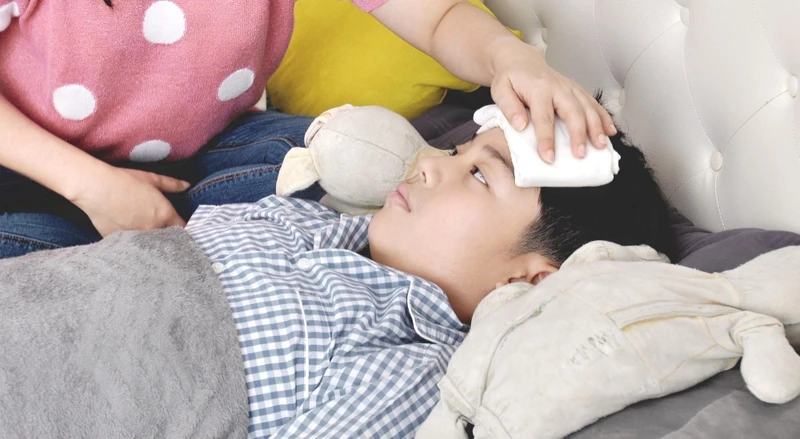
Fevers are a common occurrence in children and often signal the body's fight against an infection. While typically harmless, fevers can lead to dehydration if not managed properly. Dehydration can worsen a child's condition and prolong recovery. Therefore, understanding the connection between fever and dehydration is crucial for parents.

This blog post will explore the relationship between fever and dehydration in children. We'll discuss the signs and symptoms of dehydration, effective prevention strategies, and when to seek medical attention. By the end of this article, you'll be equipped with the knowledge to care for your child during a fever and prevent dehydration.

Understanding Dehydration in Children

Dehydration occurs when your child loses more fluids than they take in. This imbalance can happen quickly and easily, especially in young children. Common causes of dehydration include vomiting, diarrhea, fever, and excessive sweating.
There are different levels of dehydration:

  • Mild dehydration: Characterized by dry mouth, fewer wet diapers (or less frequent urination in older children), and mild irritability.

  • Moderate dehydration: Symptoms include sunken eyes, decreased urine output, and more pronounced irritability.

  • Severe dehydration: This is a medical emergency and symptoms can include rapid heartbeat, confusion, and little to no urine.

Early detection of dehydration is crucial. By recognizing the signs and taking prompt action, you can prevent dehydration from worsening.

Preventing Dehydration

Preventing dehydration is essential for maintaining your child's overall health, especially during illness. Encourage your child to drink plenty of fluids throughout the day, even when they're not thirsty. Water is the best choice, but other hydrating options include diluted fruit juices, milk, and broth.

During illness, it's crucial to increase fluid intake. Offer frequent sips of water, breast milk, or formula. Oral rehydration solutions (ORS) can be beneficial in replacing lost electrolytes. These specialized drinks are available over-the-counter.

For infants, breastfeeding or formula feeding provides essential fluids and nutrients.

Continue to breastfeed or offer formula as usual, even during illness.

Signs and Symptoms of Dehydration

Recognizing the signs of dehydration in your child is crucial for prompt intervention. Here are some common indicators:

  • Dry mouth and tongue: This is often an early sign of dehydration.

  • Reduced urine output: Fewer wet diapers in infants or less frequent urination in older children.

  • Sunken eyes: This can be a sign of moderate to severe dehydration.

  • Dry skin and lack of tears: Dry skin and a decrease in tears when crying can also indicate dehydration.

  • Irritability or lethargy: A change in behavior, such as becoming unusually fussy or sleepy, might be a sign.

  • In infants: A sunken fontanel (soft spot on the head) can be a serious sign of dehydration.

If you notice any of these symptoms, it's important to offer your child plenty of fluids and monitor their condition closely. If symptoms worsen or persist, consult with a healthcare professional.

Treating Dehydration

If you suspect your child is dehydrated, it's essential to take action to rehydrate them. Here are some steps you can take:

  • Oral Rehydration Solutions (ORS): These specialized drinks are formulated to replenish lost fluids and electrolytes. They are available without a prescription.

  • Clear Fluids: Encourage your child to drink plenty of clear fluids, such as water, diluted fruit juice (without added sugar), or clear broth.

  • Breastfeeding or Formula: Continue breastfeeding or formula feeding if your child is an infant.

When to Seek Medical Attention:

If your child's dehydration seems severe, or if you're unsure about how to proceed, it's essential to contact your pediatrician. Signs of severe dehydration include:

  • No urine for eight hours or more

  • Persistent vomiting

  • Extreme lethargy or drowsiness

  • Dry mouth and tongue

  • Sunken eyes

By following these guidelines and seeking medical advice when necessary, you can help your child recover from dehydration and feel better.

Preventing Fever

While it's impossible to completely prevent fevers, there are steps you can take to reduce the risk of your child getting sick.

  • Hand Hygiene: Encourage frequent handwashing, especially before eating, after using the bathroom, and after being around sick people.

  • Vaccinations: Make sure your child is up-to-date on recommended vaccinations to protect against preventable illnesses.

  • Healthy Lifestyle: Promote a healthy lifestyle with balanced nutrition, regular exercise, and adequate sleep.

  • Limit Exposure: When possible, avoid exposing your child to sick individuals.

Remember, even with these precautions, it's still possible for children to get sick. However, these steps can help reduce the risk of illness and its associated fever.

Conclusion

Fevers are a common part of childhood, but understanding how to manage them is essential for parents. By recognizing the signs of dehydration, taking appropriate steps to rehydrate your child, and practicing preventive measures, you can help your child feel better and recover more quickly.

Remember, if you have any concerns about your child's fever or dehydration, don't hesitate to consult pediatrician.
Read FAQs


A. While the average normal body temperature is around 98.6°F (37°C), it can vary slightly. A child's temperature may be slightly higher than an adult's. It's essential to monitor your child's baseline temperature to recognize when it's abnormal.

A. Most fevers in children last 3-5 days. However, the duration can vary depending on the underlying cause.

A. Contact your pediatrician if your child is under three months old with a fever, if the fever is accompanied by severe symptoms like difficulty breathing, seizures, or persistent vomiting, or if the fever lasts more than three days without improvement.

A. Over-the-counter medications like acetaminophen or ibuprofen can help reduce fever symptoms but won't cure the underlying infection causing the fever.

A. Encourage your child to drink plenty of fluids, especially during illness. Breastfeeding or formula feeding infants as needed. Offer oral rehydration solutions (ORS) if necessary.

A. Signs of dehydration in a baby include fewer wet diapers, dry mouth, sunken eyes, and lethargy.

A. While it's essential to keep your child hydrated, it's unlikely you can give them too much water. However, excessive water intake can dilute sodium levels in rare cases.

A. Oral rehydration solution (ORS) is a drink that replaces fluids and electrolytes lost due to diarrhea or vomiting. It's available at most pharmacies.

A. You can help lower your child's fever by dressing them in lightweight clothing, using a cool-mist humidifier, and giving them over-the-counter fever reducers like acetaminophen or ibuprofen.

A. Sponge baths can help cool the body slightly but should not be used as the primary method of fever reduction.

A. No, bundling up your child can trap heat and worsen the fever. Dress them in light, comfortable clothing.

A. Aspirin should never be given to children due to the risk of Reye's syndrome.

Read Blog
Sleep disorders

Sleep Disorder Treatment: Effective Ways to Restore Healthy Sleep

Sleep is a fundamental biological process essential for physical restoration, mental clarity and emotional balance. Despite its importance, sleep disorders are increasingly common across all age groups. Millions of people struggle with poor sleep quality, difficulty falling asleep or frequent nighttime awakenings, often without seeking help.

Effective sleep disorder treatment plays a critical role in restoring healthy sleep patterns and preventing long-term health complications.


Understanding Sleep Disorders

Sleep disorders are conditions that disrupt normal sleep patterns, affecting the ability to fall asleep, stay asleep or achieve restorative sleep. They can be short-term or chronic and may occur due to lifestyle factors, medical conditions or psychological stress.

According to global and Indian health data, sleep disorders are underdiagnosed despite their strong association with chronic diseases.


Common Types of Sleep Disorders

Insomnia

Insomnia is the most common sleep disorder.

It involves:

  • difficulty falling asleep
     

  • frequent awakenings
     

  • early morning waking
     

  • non-restorative sleep
     

Chronic insomnia significantly affects daily functioning.


Sleep Apnea

Sleep apnea is a serious condition where breathing repeatedly stops during sleep.

Symptoms include:

  • loud snoring
     

  • daytime sleepiness
     

  • morning headaches
     

Untreated sleep apnea increases cardiovascular risk.


Restless Leg Syndrome

This condition causes uncomfortable leg sensations and an urge to move the legs, especially at night.

It disrupts sleep continuity and quality.


Circadian Rhythm Disorders

These occur when the body’s internal clock is misaligned with daily schedules, common in shift workers and frequent travellers.


Why Sleep Disorders Should Not Be Ignored

Chronic sleep problems increase the risk of:

  • heart disease
     

  • hypertension
     

  • diabetes
     

  • obesity
     

  • depression and anxiety
     

  • reduced immunity
     

Poor sleep affects both physical and mental health.


Causes of Sleep Disorders

Sleep disorders often result from multiple factors, including:

  • chronic stress
     

  • irregular sleep schedules
     

  • excessive screen exposure
     

  • caffeine or alcohol use
     

  • medical conditions
     

  • mental health disorders
     

Identifying root causes is essential for effective treatment.


Diagnosis of Sleep Disorders

Diagnosis involves:

  • detailed sleep history
     

  • lifestyle assessment
     

  • medical evaluation
     

  • sleep studies in selected cases
     

Accurate diagnosis guides appropriate treatment.


Sleep Disorder Treatment Approaches

Behavioural and Cognitive Therapy

Cognitive Behavioural Therapy for Insomnia (CBT-I) is a highly effective non-drug treatment.

It focuses on:

  • correcting sleep-related thoughts
     

  • improving sleep routines
     

  • reducing anxiety around sleep
     

CBT-I is recommended as first-line treatment for chronic insomnia.


Lifestyle and Sleep Hygiene Measures

Good sleep hygiene includes:

  • maintaining regular sleep timings
     

  • limiting screen exposure before bedtime
     

  • creating a comfortable sleep environment
     

  • avoiding heavy meals late at night
     

These measures support natural sleep regulation.


Medical Management

Medications may be used:

  • short-term for severe symptoms
     

  • under medical supervision
     

Medication is often combined with behavioural therapy rather than used alone.


Treatment for Sleep Apnea

Management may include:

  • weight management
     

  • positional therapy
     

  • continuous positive airway pressure (CPAP) devices
     

  • treating underlying conditions
     

Early treatment reduces cardiovascular risk.


Role of Mental Health in Sleep Disorders

Sleep and mental health are closely connected.

Conditions such as anxiety and depression:

  • disrupt sleep architecture
     

  • worsen insomnia
     

  • require integrated treatment
     

Addressing mental health improves sleep outcomes.


Importance of Consistency in Treatment

Sleep disorder treatment requires:

  • patience
     

  • consistency
     

  • follow-up
     

Improvement may take weeks, but sustained effort yields lasting results.


Preventing Sleep Disorders

Preventive strategies include:

  • stress management
     

  • physical activity
     

  • balanced nutrition
     

  • limiting stimulants
     

  • maintaining work-life balance
     

Prevention is more effective than treatment alone.


Impact of Technology on Sleep

Excessive screen use affects melatonin production and delays sleep onset.

Reducing nighttime screen exposure significantly improves sleep quality.


When to Seek Professional Help

Consult a healthcare provider if:

  • sleep problems persist beyond two weeks
     

  • daytime functioning is affected
     

  • snoring and breathing pauses are noticed
     

  • sleepiness interferes with safety
     

Early treatment prevents complications.


Long-Term Benefits of Treating Sleep Disorders

Effective sleep disorder treatment leads to:

  • improved energy and concentration
     

  • better mood and emotional stability
     

  • reduced chronic disease risk
     

  • enhanced quality of life
     

Healthy sleep supports overall wellbeing.


Conclusion

Sleep disorder treatment is essential for restoring physical health, mental clarity and emotional balance. While sleep problems are common, they are not normal or harmless. Insomnia, sleep apnea and other sleep disorders can be effectively managed through behavioural therapy, lifestyle changes and medical care when needed. Early recognition and consistent treatment not only improve sleep quality but also protect long-term health. Prioritising sleep is a powerful step toward a healthier and more productive life.


References

  • Indian Council of Medical Research (ICMR) – Sleep Health and Lifestyle Studies
  • World Health Organization (WHO) – Sleep and Mental Health Guidelines
  • National Institute of Mental Health and Neurosciences (NIMHANS) – Sleep Disorders Research
  • Lancet Psychiatry – Sleep Disorders and Chronic Disease Risk
  • NITI Aayog – Mental Health and Preventive Healthcare Reports
  • Statista – Global Sleep Disorder Prevalence and Trends

See all

Live Doctor consultation
Live Doctor Chat

Download Our App & Get Consultation from anywhere.

App Download
call icon for mobile number calling and whatsapp at secondmedic