Loose motions are one of the most common digestive problems people experience, yet they are often misunderstood. Many cases improve within a day or two with proper hydration and dietary care, while others may signal infection, food poisoning, gut inflammation, or an underlying digestive disorder.
In simple terms, loose motions refer to stools that become watery, soft, or unusually frequent because the intestine is unable to absorb water properly. This may happen due to infection, contaminated food, stress, indigestion, medication reactions, or temporary irritation of the digestive tract.
While mild episodes are usually manageable at home, dehydration becomes the biggest risk, especially in children, elderly individuals, and people with weakened immunity. This is why treatment should focus not only on “stopping motions” but also on protecting hydration and gut recovery.
In India, loose motions increase significantly during:
- summer months
- monsoon season
- travel
- food contamination outbreaks
- irregular eating patterns
Doctors frequently see patients self-medicating repeatedly with antibiotics or anti-diarrhoeal medicines without identifying the actual cause. In many situations, unnecessary medications worsen gut imbalance instead of improving recovery.
Another common issue is ignoring dehydration symptoms until weakness becomes severe.
“Most uncomplicated loose motions improve with hydration, light meals, and rest, but dehydration is what makes diarrhoea dangerous,” says Gastroenterologist at SecondMedic. “People often focus only on stopping bowel movements while overlooking fluid and electrolyte loss.”
What Commonly Causes Loose Motions?
Loose motions may occur because of:
- viral infections
- food poisoning
- bacterial contamination
- oily or spicy food
- lactose intolerance
- stress or anxiety
- indigestion
- antibiotic use
- contaminated water
- irritable bowel syndrome (IBS)
In some people, even sudden dietary changes or excessive street food consumption may temporarily disturb the digestive system.
A 29-year-old sales executive from Mumbai consulted SecondMedic after repeated episodes of loose motions during work travel. Further discussion revealed frequent roadside meals, irregular hydration, and excessive caffeine intake. Once dietary hygiene and hydration improved, symptoms reduced substantially.
This is important because recurring digestive issues often involve lifestyle triggers alongside infection risk.
10 Effective Home Remedies for Loose Motions
1. Oral Rehydration Solution (ORS)
Hydration is the single most important part of recovery.
Loose motions cause the body to lose:
- water
- sodium
- potassium
- essential electrolytes
ORS helps restore this balance and reduces weakness, dizziness, and dehydration risk.
If ORS packets are unavailable, a basic homemade solution may help temporarily:
- clean water
- small amount of salt
- sugar
However, commercially prepared ORS is generally preferred for proper electrolyte balance.
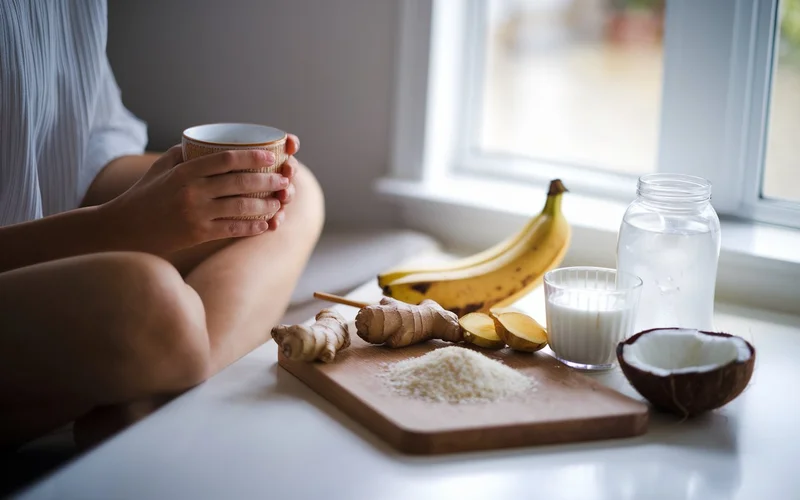
2. Bananas
Bananas are easy to digest and commonly recommended during diarrhoea because they contain:
- potassium
- soluble fibre (pectin)
- carbohydrates for energy
They may help make stools firmer while replenishing electrolytes lost during frequent bowel movements.
3. Curd or Yogurt
Plain curd contains probiotics, which help support healthy gut bacteria.
After diarrhoea or antibiotic use, gut flora may become disturbed. Probiotic-rich foods may help restore microbial balance and improve digestion gradually.
Curd rice is often better tolerated than oily meals during recovery.
4. Rice and Bland Foods
Simple foods are easier on the digestive tract.
Doctors often recommend bland meals such as:
- plain rice
- toast
- boiled potatoes
- khichdi
- oats
- applesauce
The BRAT diet (Banana, Rice, Applesauce, Toast) is commonly used during mild diarrhoea recovery because it is gentle on the stomach.
5. Ginger Tea
Ginger has natural anti-inflammatory and digestive-supportive properties.
Some people find ginger tea helpful for:
- nausea
- abdominal discomfort
- bloating
- stomach cramps
Warm ginger water may feel soothing during mild digestive irritation.
6. Coconut Water
Loose motions can rapidly reduce electrolyte levels.
Coconut water may help maintain hydration and potassium balance during mild diarrhoea recovery. However, it should not replace ORS in severe dehydration.
7. Fenugreek Seeds (Methi)
Fenugreek seeds contain soluble fibre and are traditionally used in India for digestive discomfort.
Some people consume soaked fenugreek seeds or fenugreek water to reduce stool frequency and support digestion.
8. Cumin Water (Jeera Water)
Cumin water is a common home remedy used for:
- bloating
- indigestion
- stomach discomfort
While it is not a medical cure, warm cumin water may help some individuals feel better during mild digestive upset.
9. Rest and Recovery
Many people underestimate the role of rest.
Loose motions place stress on the body because of:
- dehydration
- nutrient loss
- inflammation
- weakness
Rest allows the digestive system and immune response to recover more efficiently.
10. Avoid Foods That Worsen Symptoms
Recovery becomes slower when people continue consuming:
- spicy food
- fried snacks
- alcohol
- caffeine
- heavy dairy
- oily restaurant meals
The intestine becomes temporarily sensitive during diarrhoea, so lighter meals are usually better tolerated.
The Bigger Problem: Overusing Antibiotics for Loose Motions
One of the most common mistakes in India is self-starting antibiotics for every episode of diarrhoea.
Many loose motion cases are:
- viral
- food-related
- stress-related
- mild and self-limiting
Unnecessary antibiotic use may:
- disturb gut bacteria
- worsen digestion
- increase resistance risk
- delay proper diagnosis
Doctors usually decide antibiotic need based on:
- fever
- stool characteristics
- dehydration
- travel history
- suspected bacterial infection
Signs of Dehydration You Should Not Ignore
Medical attention becomes important if symptoms include:
- dizziness
- very dry mouth
- dark urine
- reduced urination
- confusion
- severe weakness
- extreme thirst
Children and elderly individuals may deteriorate faster with dehydration.
When Loose Motions May Be Serious
Consult a doctor if:
- symptoms last more than 2-3 days
- blood appears in stool
- fever develops
- vomiting becomes severe
- abdominal pain worsens
- dehydration symptoms appear
- weight loss occurs
- loose motions become recurrent
These symptoms may indicate:
- bacterial infection
- IBS
- inflammatory bowel disease
- food poisoning
- intestinal infection
- malabsorption disorders
Myths vs Facts About Loose Motions
| Myth | Fact |
|---|---|
| All loose motions need antibiotics. | Many mild cases improve without antibiotics. |
| Eating less speeds recovery. | Proper hydration and light nutrition are important. |
| Loose motions are always caused by infection. | Stress, food intolerance, and IBS may also trigger symptoms. |
| Dehydration only happens in severe diarrhoea. | Even moderate fluid loss may cause weakness and dizziness. |
| Milk and heavy food should continue normally. | Simple bland foods are usually easier to tolerate during recovery. |
Conclusion
SecondMedic helps patients consult verified gastroenterologists and internal medicine specialists online for diarrhoea, stomach infection, food poisoning, dehydration concerns, IBS, abdominal pain, and digestive health issues. Patients can receive medical guidance, hydration advice, dietary support, and treatment recommendations from home.