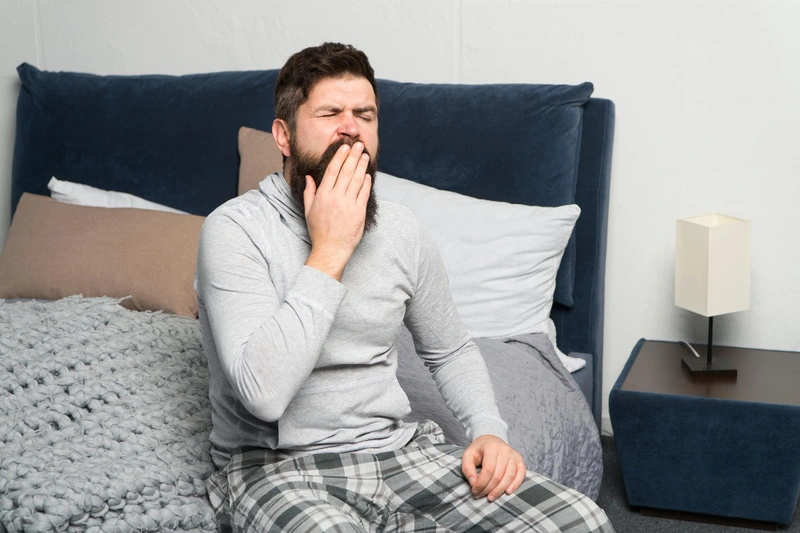
Getting 8 hours of sleep is often seen as the gold standard for good health. But what if you’re still waking up feeling groggy, exhausted, and low on energy—despite clocking in those 8 hours? If that sounds like you, you’re not alone.
In this blog, we’ll explore why you wake up tired even after 8 hours sleep, the possible reasons behind it, and simple ways to fix the issue so you can start your day refreshed and energized.
Sleep Quantity vs. Sleep Quality
It’s important to understand that sleep is not just about how long you sleep, but how well you sleep.
There are different stages of sleep your body goes through:
-
Light Sleep (Stage 1 & 2)
-
Deep Sleep (Stage 3)
-
REM Sleep (Stage 4) – where dreams and memory processing happen
If your sleep is constantly interrupted, or if you don’t get enough deep or REM sleep, your body and brain won’t be fully rested—even after 8 hours in bed.
7 Common Reasons You Wake Up Tired After a Full Night’s Sleep
1. Poor Sleep Quality
You may be lying in bed for 8 hours, but if your sleep is light or frequently interrupted, it won’t be refreshing. Common reasons include:
-
Noisy environment
-
Uncomfortable mattress or pillow
-
Room too hot or too cold
-
Lights or electronics nearby
Fix: Try blackout curtains, keep the room cool and dark, and follow a fixed bedtime routine.
2. Undiagnosed Sleep Disorders
Conditions like sleep apnea, restless leg syndrome, or insomnia can reduce sleep quality without you even realizing it.
Sleep apnea, for example, causes you to stop breathing for short periods during sleep. You may not wake up fully, but your body doesn’t get enough oxygen—leading to morning tiredness and brain fog.
Fix: If your partner says you snore heavily or you often wake up gasping for air, consult a doctor for a sleep study.
3. Too Much Screen Time at Night
Smartphones, laptops, and TVs emit blue light, which blocks melatonin—a hormone that helps you fall asleep.
If you scroll Instagram or binge-watch shows late at night, your brain might stay active even after you fall asleep.
Fix: Stop using screens 1 hour before bedtime. Use night mode or blue light filters if necessary.
4. Eating or Drinking Close to Bedtime
Heavy meals or caffeine before bed can disturb your sleep by causing indigestion, bloating, or increased alertness.
Fix: Avoid caffeine after 5 PM, and try to have your dinner at least 2 hours before sleeping.
5. Mental Health Issues
Conditions like stress, anxiety, or depression can impact sleep quality. You may sleep for hours but still wake up tired due to mental fatigue.
Fix: Practice stress management through:
-
Journaling
-
Breathing exercises
-
Meditation
-
Seeking therapy if needed
6. Vitamin or Hormonal Imbalance
Low levels of Vitamin D, Vitamin B12, iron, or thyroid dysfunction can cause constant fatigue—even with good sleep.
Fix: A simple blood test can help detect deficiencies. You can book these tests via SecondMedic.com, powered by Thyrocare, with home sample collection.
Recommended tests:
-
Vitamin D Test
-
Vitamin B12
-
Thyroid Profile
-
CBC (Complete Blood Count)
7. Lack of Physical Activity
Not moving your body enough during the day can lead to low-quality sleep at night. Exercise helps burn excess energy and improves deep sleep.
Fix: Aim for at least 30 minutes of physical activity, like walking, yoga, or cycling daily.
Signs That You’re Not Getting Good Sleep
-
You hit the snooze button multiple times
-
You feel sleepy by mid-morning
-
You wake up with a heavy head or sore body
-
You need coffee immediately to function
-
You feel irritated, anxious, or unmotivated
These are signs your body is not truly rested.
Simple Tips for Better Sleep & Morning Energy
-
Stick to a sleep schedule: Go to bed and wake up at the same time every day—even on weekends.
-
Create a sleep-friendly space: Keep your bedroom cool, quiet, and dark.
-
Limit naps: Daytime naps should be less than 30 minutes and before 3 PM.
-
Stay hydrated—but not too close to bedtime: Drinking too much water late may wake you up to pee.
-
Practice relaxation before bed: Try reading, light stretching, or herbal tea.
Conclusion
Feeling tired despite getting enough sleep can be frustrating. But remember, quality beats quantity when it comes to sleep. By making small changes in your routine, checking for hidden health issues, and improving your lifestyle, you can wake up feeling refreshed and ready to take on the day.
If you’ve been wondering why do you wake up tired even after 8 hours sleep, now you know where to start fixing it. Begin today with a better sleep routine—and better mornings will follow.