Blood sugar testing plays a crucial role in diagnosing and monitoring diabetes. While fasting blood sugar tests are widely known, another equally important investigation is the Postprandial Blood Sugar (PPBS) test. This test helps doctors understand how effectively the body processes glucose after a meal.
Many people undergo this test without fully understanding what it measures, why it is recommended, or what their results actually mean. Knowing the significance of a postprandial blood sugar test can help individuals take proactive steps toward better blood sugar control and long term health.
What Is a Postprandial Blood Sugar Test?
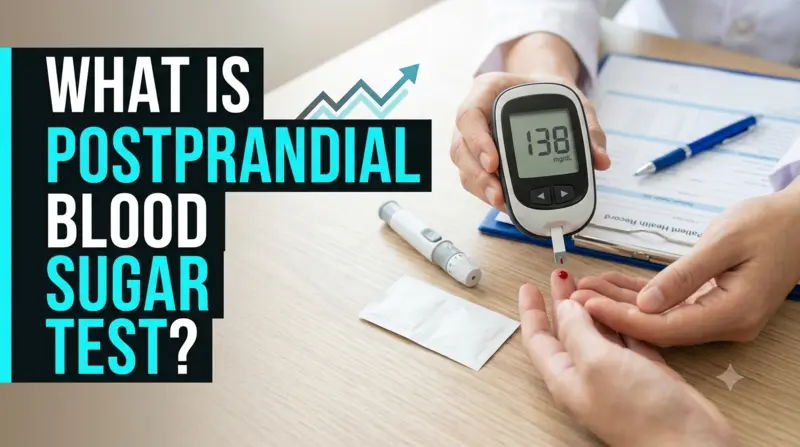
A postprandial blood sugar test measures the amount of glucose present in the blood two hours after eating a meal. The word "postprandial" literally means "after a meal."
After food consumption, carbohydrates are broken down into glucose, causing blood sugar levels to rise. The pancreas releases insulin to help move glucose from the bloodstream into cells, where it is used for energy.
The PPBS test evaluates how effectively this process occurs. Elevated post meal glucose levels may indicate that the body is not producing enough insulin or is unable to use insulin efficiently.
Unlike fasting blood sugar, which measures glucose levels after an overnight fast, the postprandial test reflects how the body responds to everyday eating patterns.
Why Is the Postprandial Blood Sugar Test Done?
The PPBS test is commonly used to diagnose diabetes, assess glucose control, and evaluate the effectiveness of diabetes treatment.
Doctors may recommend this test for several reasons.
To Diagnose Diabetes
In some individuals, fasting blood sugar levels may remain normal while post meal glucose levels become elevated. Measuring blood sugar after meals can help identify early disturbances in glucose metabolism.
To Monitor Diabetes Management
For people already diagnosed with diabetes, the PPBS test helps determine whether medications, insulin, diet, and lifestyle measures are adequately controlling blood sugar spikes after meals.
To Assess Risk of Complications
Repeated post meal blood sugar spikes have been linked to an increased risk of cardiovascular disease, nerve damage, kidney problems, and eye complications.
During Pregnancy
Pregnant women, especially those at risk of gestational diabetes, may undergo postprandial testing to ensure appropriate glucose control for maternal and fetal health.
How Is the Postprandial Blood Sugar Test Performed?
The procedure is simple and usually completed within a few hours.
The general process includes:
- The individual eats a regular meal containing carbohydrates.
- The exact time of the first bite is noted.
- A blood sample is collected two hours after the meal begins.
- The sample is analyzed to determine glucose concentration.
Unlike fasting glucose tests, overnight fasting is generally not required unless advised by the healthcare provider.
It is important to eat a normal meal rather than intentionally consuming less food before the test, as this may affect accuracy.
Postprandial Blood Sugar Normal Range
Understanding the normal range helps interpret results appropriately.
PPBS Normal Values
| Blood Sugar Status | Two Hour Postprandial Blood Sugar |
|---|---|
| Normal | Less than 140 mg/dL |
| Prediabetes | 140 to 199 mg/dL |
| Diabetes | 200 mg/dL or higher |
These values may vary slightly depending on laboratory standards and individual circumstances.
For people with established diabetes, treatment goals are often individualized based on age, overall health, and risk factors.
What Does a High Postprandial Blood Sugar Mean?
High PPBS levels indicate that glucose remains elevated after eating because the body cannot efficiently regulate blood sugar.
Several factors may contribute to elevated readings.
Type 2 Diabetes
Insulin resistance prevents cells from responding effectively to insulin, resulting in prolonged blood sugar elevation after meals.
Prediabetes
Prediabetes represents an intermediate stage where blood sugar regulation begins to deteriorate.
Inadequate Diabetes Control
People taking diabetes medications may develop elevated PPBS levels if treatment plans need adjustment.
Dietary Factors
Meals rich in refined carbohydrates and sugary foods can contribute to higher post meal glucose spikes.
Lack of Physical Activity
Physical inactivity reduces glucose utilization by muscles, leading to elevated blood sugar levels.
Why Post Meal Blood Sugar Is Important
Many individuals focus solely on fasting blood sugar while overlooking post meal spikes.
However, research suggests that elevated postprandial glucose contributes significantly to diabetes related complications.
High post meal glucose levels may increase the risk of:
- Cardiovascular disease
- Stroke
- Kidney damage
- Nerve damage
- Retinal disease affecting vision
Monitoring PPBS provides a more comprehensive understanding of overall glucose control.
For some individuals, postprandial glucose abnormalities appear earlier than fasting abnormalities, allowing earlier intervention.
How to Reduce Postprandial Blood Sugar Naturally
Lifestyle modifications can significantly improve post meal glucose control.
Choose High Fiber Foods
Fiber slows glucose absorption and reduces sudden blood sugar spikes.
Examples include:
- Whole grains
- Legumes
- Vegetables
- Fruits with edible skin
Control Portion Sizes
Eating large quantities of carbohydrates at once can elevate blood sugar significantly.
Balanced meals with appropriate portions help improve glucose stability.
Include Protein With Meals
Combining carbohydrates with protein slows digestion and reduces post meal glucose excursions.
Good sources include:
- Eggs
- Dairy products
- Lentils
- Fish
- Chicken
Walk After Meals
Even 10 to 15 minutes of walking after eating may improve glucose utilization by muscles and lower PPBS levels.
Follow Prescribed Treatment
People with diabetes should continue medications exactly as directed and avoid making treatment changes without medical supervision.
PPBS vs Fasting Blood Sugar: What Is the Difference?
Although both tests assess glucose levels, they provide different information.
| Feature | Fasting Blood Sugar | Postprandial Blood Sugar |
|---|---|---|
| Timing | After 8 to 12 hours fasting | Two hours after meals |
| Purpose | Baseline glucose level | Response to meals |
| Detects | Fasting abnormalities | Post meal glucose spikes |
| Use | Diagnosis and monitoring | Diagnosis and treatment assessment |
Doctors often use both tests together for a more complete picture of blood sugar regulation.
When Should You Consult a Doctor?
Medical evaluation is recommended if PPBS levels remain elevated or symptoms suggest poor blood sugar control.
Consult a healthcare professional if you experience:
- Excessive thirst
- Frequent urination
- Unexplained weight loss
- Fatigue
- Blurred vision
- Slow wound healing
- Recurrent infections
Early diagnosis and management can prevent long term complications associated with diabetes.
References
- American Diabetes Association. Diagnosis and Classification of Diabetes Mellitus
https://diabetesjournals.org/care/article/47/Supplement_1/S20/153954 - Mayo Clinic. Blood Sugar Testing
https://www.mayoclinic.org/tests-procedures/blood-sugar-test/about/pac-20384640 - MedlinePlus. Glucose Tests
https://medlineplus.gov/lab-tests/glucose-tests/ - Cleveland Clinic. Blood Glucose Test
https://my.clevelandclinic.org/health/diagnostics/12363-blood-glucose-test - National Center for Biotechnology Information. Postprandial Hyperglycemia and Diabetes Complications
https://www.ncbi.nlm.nih.gov/pmc/articles/PMC6778562/