ESR in a blood report refers to erythrocyte sedimentation rate, a test that measures how quickly red blood cells settle at the bottom of a test tube. A higher rate usually indicates the presence of inflammation in the body. Clinically, ESR is a non specific marker used to detect infections, autoimmune conditions, or chronic inflammatory diseases.
When inflammation occurs, certain proteins cause red blood cells to clump together and settle faster. This increased sedimentation rate signals an underlying inflammatory process rather than a specific disease.
Understanding ESR Test and How It Works
The ESR test evaluates how rapidly red blood cells settle in a vertical tube over one hour.
Mechanism of ESR
- Red blood cells normally settle slowly
- Inflammation increases plasma proteins such as fibrinogen
- These proteins cause cells to aggregate and settle faster
Test Procedure
- A blood sample is collected
- It is placed in a calibrated tube
- The distance red blood cells fall in one hour is measured in millimeters
The result is reported as mm per hour. Higher values indicate greater inflammatory activity.
What Happens When ESR Is High in Blood Report
A high ESR level suggests active inflammation in the body but does not identify the exact cause. The degree of elevation often reflects the severity of the condition.
Mild elevations may occur in minor infections or temporary inflammation. Significantly high ESR levels are often associated with serious conditions such as autoimmune diseases or chronic infections.
Persistent elevation requires further investigation through additional tests and clinical evaluation.
Normal ESR Range in Adults and Children
ESR values vary based on age and gender.
Typical Reference Ranges
| Group | Normal ESR Range |
|---|---|
| Adult men | 0 to 15 mm per hour |
| Adult women | 0 to 20 mm per hour |
| Elderly individuals | Slightly higher values |
| Children | 0 to 10 mm per hour |
In India, laboratories may have slight variations in reference ranges. Interpretation should always be based on clinical context.
What Diseases Cause High ESR Levels
Elevated ESR levels are associated with a wide range of medical conditions.
Common Causes
- Infections such as tuberculosis or bacterial infections
- Autoimmune diseases such as rheumatoid arthritis
- Chronic inflammatory conditions
- Certain cancers including lymphoma
Other factors such as pregnancy, anemia, and aging may also increase ESR levels.
ESR is often used alongside other markers to narrow down diagnosis.
Symptoms Associated with High ESR Levels
High ESR itself does not produce symptoms. Symptoms arise from the underlying condition causing inflammation.
Common Associated Symptoms
- Fever or chills
- Fatigue or weakness
- Joint pain or swelling
- Loss of appetite
- Unexplained weight loss
For example, autoimmune diseases may present with joint stiffness, while infections may cause fever and localized pain.
How to Reduce ESR Levels Naturally and Medically
Reducing ESR involves treating the underlying cause and adopting anti inflammatory lifestyle practices.
Medical Management
- Antibiotics for infections
- Anti inflammatory medications
- Disease specific therapies
Lifestyle Measures
- Balanced diet rich in fruits and vegetables
- Regular physical activity
- Weight management
- Avoidance of smoking
Anti inflammatory diets containing omega 3 fatty acids and antioxidants may help reduce chronic inflammation.
Limitations of ESR Test and When It Is Used
ESR is a useful screening tool but has limitations due to its non specific nature.
Key Limitations
- Does not identify exact disease
- Can be influenced by non inflammatory factors
- May be normal in early stages of disease
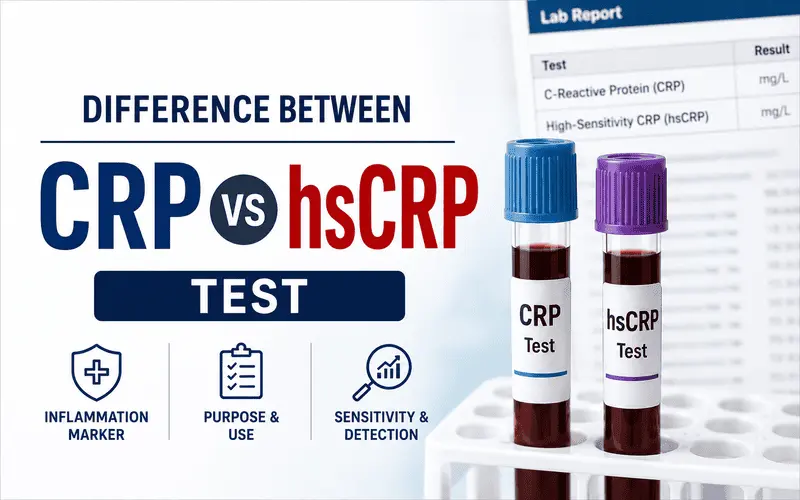
ESR vs CRP
- ESR reflects slower changes in inflammation
- C reactive protein responds more rapidly
Clinicians often use ESR along with CRP and other diagnostic tests for accurate assessment.
References
- Mayo Clinic. Sed rate erythrocyte sedimentation rate
https://www.mayoclinic.org/tests-procedures/sed-rate/about/pac-20384797 - National Center for Biotechnology Information. ESR and inflammation
https://www.ncbi.nlm.nih.gov/books/NBK557485/