• Published on: Jan 07, 2026
  • 4 minute read
  • By: Secondmedic Expert

Tuberculosis Symptoms And Treatment: Early Signs, Diagnosis, And Recovery

  • WhatsApp share link icon
  • copy & share link icon
  • twitter share link icon
  • facebook share link icon

Tuberculosis (TB) is one of the oldest known infectious diseases and continues to be a major public health concern, especially in developing countries. India accounts for a significant proportion of global TB cases, despite advances in diagnosis and treatment. The good news is that tuberculosis is preventable, treatable and curable when detected early and managed properly.

Understanding tuberculosis symptoms and treatment is critical for reducing disease spread, preventing complications and achieving complete recovery.

What Is Tuberculosis?

Tuberculosis is an infectious disease caused by Mycobacterium tuberculosis. It primarily affects the lungs (pulmonary TB) but can also involve other parts of the body such as:

  • lymph nodes
     

  • bones and joints
     

  • kidneys
     

  • brain
     

TB spreads through the air when an infected person coughs, sneezes or speaks.

Why Tuberculosis Remains a Major Health Issue

According to the World Health Organization and ICMR data:

  • millions of new TB cases are reported annually
     

  • delayed diagnosis increases transmission
     

  • incomplete treatment leads to drug resistance
     

Early detection and treatment are key to TB control.

Common Tuberculosis Symptoms

TB symptoms often develop gradually and may be mild in the early stages, leading to delayed diagnosis.

Persistent Cough

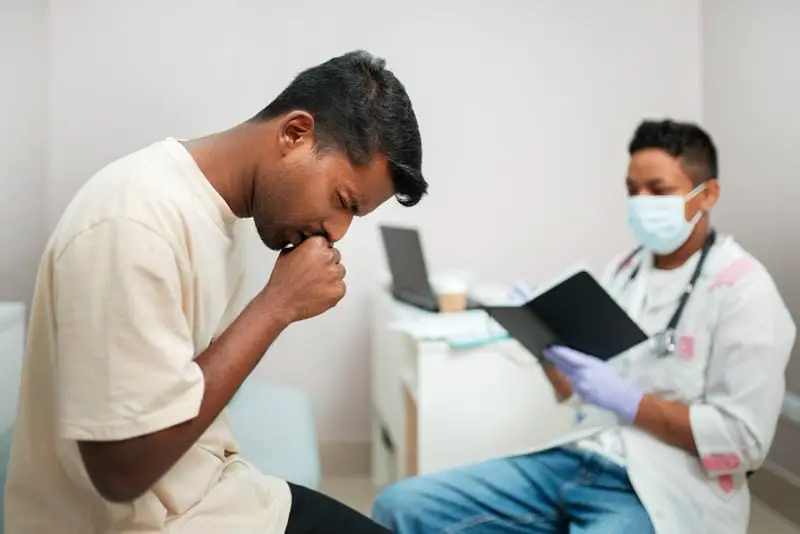
A cough lasting more than two to three weeks is a hallmark symptom of pulmonary TB.

The cough may:

  • be dry or productive
     

  • worsen over time
     

  • sometimes produce blood
     

Fever and Night Sweats

Low-grade fever, especially in the evenings, is common.

Night sweats that soak clothing or bedding are a classic TB sign.

Unexplained Weight Loss

TB increases metabolic demand and reduces appetite, leading to significant weight loss.

Fatigue and Weakness

Persistent tiredness and reduced stamina occur due to chronic infection.

Chest Pain

Chest discomfort or pain may occur during coughing or breathing.

Symptoms of Extra-Pulmonary TB

When TB affects organs outside the lungs, symptoms depend on the site involved and may include:

  • swollen lymph nodes
     

  • bone or joint pain
     

  • headaches or neurological symptoms
     

  • urinary issues
     

Why TB Symptoms Are Often Ignored

Many TB symptoms resemble common infections or general weakness.

This leads to:

  • delayed medical consultation
     

  • prolonged transmission
     

  • disease progression
     

Awareness improves early detection.

How Tuberculosis Is Diagnosed

Diagnosis involves a combination of:

  • sputum tests
     

  • chest X-ray
     

  • molecular tests such as CBNAAT
     

  • blood tests and imaging for extra-pulmonary TB
     

Early and accurate diagnosis is essential for effective treatment.

Tuberculosis Treatment Explained

TB treatment involves a combination of antibiotics taken over a fixed duration.

Standard TB Treatment

For drug-sensitive TB, treatment typically lasts:

  • 6 months
     

The regimen includes multiple antibiotics taken in phases to ensure complete bacterial clearance.

Importance of Treatment Adherence

TB bacteria are slow-growing and resilient.

Stopping treatment early can result in:

  • incomplete cure
     

  • relapse
     

  • drug-resistant TB
     

Completing the full course is essential.

Drug-Resistant TB

If TB bacteria become resistant to standard drugs, treatment becomes longer and more complex.

Drug-resistant TB requires:

  • specialised medications
     

  • longer treatment duration
     

  • close medical supervision
     

Prevention of resistance depends on correct treatment from the start.

Side Effects of TB Treatment

Some individuals may experience side effects such as:

  • nausea
     

  • loss of appetite
     

  • mild liver enzyme changes
     

Most side effects are manageable with medical guidance and do not require stopping treatment.

TB and Public Health

TB is not just an individual health issue but a community concern.

Effective TB control requires:

  • early diagnosis
     

  • treatment adherence
     

  • contact tracing
     

  • public awareness
     

India’s national TB elimination programmes focus on these strategies.

Preventing Tuberculosis

Preventive measures include:

  • early detection and treatment of active TB
     

  • improving nutrition and immunity
     

  • adequate ventilation in living spaces
     

  • screening close contacts
     

BCG vaccination offers partial protection, especially in children.

Living With and Recovering From TB

With proper treatment:

  • symptoms gradually improve
     

  • infection becomes non-contagious
     

  • normal life can be resumed
     

Regular follow-up ensures complete recovery.

When to Seek Medical Help

Consult a healthcare provider if experiencing:

  • cough lasting more than two weeks
     

  • unexplained weight loss
     

  • persistent fever or night sweats
     

  • blood in sputum
     

Early action saves lives and prevents spread.

Long-Term Outlook After TB Treatment

Most individuals who complete treatment:

  • recover fully
     

  • regain normal lung function
     

  • return to daily activities
     

Long-term complications are rare with timely care.

Conclusion

Tuberculosis symptoms and treatment must be understood clearly to combat this preventable and curable disease. Persistent cough, fever, night sweats and weight loss should never be ignored. Early diagnosis, complete treatment adherence and regular follow-up are essential for curing TB and preventing transmission. With proper medical care and public awareness, tuberculosis can be effectively controlled and eliminated as a public health threat.


References

  • Indian Council of Medical Research (ICMR) – Tuberculosis Epidemiology and Treatment Guidelines
  • World Health Organization (WHO) – Global Tuberculosis Report
  • National Tuberculosis Elimination Programme (NTEP) – Government of India
  • Lancet Infectious Diseases – TB Diagnosis and Treatment Outcomes
  • National Family Health Survey (NFHS-5) – Infectious Disease Indicators
  • Statista – Global Tuberculosis Burden and Trends

Read FAQs


A. Persistent cough, fever, night sweats, weight loss and fatigue are common TB symptoms.

A. Yes. TB is completely curable with proper and complete treatment.

A. Most TB treatments last 6 months, depending on the type and severity.

Read Blog
Diabetes symptoms

Diabetes Symptoms in Men: Early Warning Signs You Should Not Ignore

Diabetes is one of the fastest-growing health challenges worldwide, and men are particularly vulnerable to its long-term complications. In India, the burden of diabetes has increased sharply over the past two decades, driven by lifestyle changes, sedentary habits and dietary patterns. Despite this, many men remain unaware of early diabetes symptoms or delay medical consultation until complications develop.

Understanding diabetes symptoms in men is essential for early diagnosis, effective management and prevention of serious health consequences.


What Is Diabetes?

Diabetes is a chronic metabolic disorder characterised by high blood sugar levels due to:

  • insufficient insulin production
     

  • ineffective insulin action
     

  • or both
     

The most common form affecting men is type 2 diabetes, which is strongly linked to lifestyle factors.


Why Men Are at Higher Risk

Several factors increase diabetes risk in men:

  • higher abdominal fat accumulation
     

  • smoking and alcohol consumption
     

  • irregular eating patterns
     

  • work-related stress
     

  • lower healthcare-seeking behaviour
     

According to Indian Council of Medical Research data, a significant proportion of men remain undiagnosed until advanced stages.


Early Diabetes Symptoms in Men

Frequent Urination

Excess sugar in the blood causes kidneys to work harder, leading to increased urination, especially at night.


Excessive Thirst

Frequent urination leads to dehydration, causing constant thirst.


Fatigue and Weakness

Cells cannot utilise glucose efficiently, resulting in low energy levels and persistent tiredness.


Unexplained Weight Changes

Men may experience unexplained weight loss despite normal or increased appetite.


Increased Hunger

Insulin resistance prevents glucose from entering cells, triggering frequent hunger.


Diabetes Symptoms Unique or Commonly Seen in Men

Erectile Dysfunction

Diabetes damages blood vessels and nerves, leading to erectile dysfunction.

Studies show a strong association between diabetes and male sexual health problems.


Reduced Testosterone Levels

Men with diabetes often have lower testosterone, affecting libido, muscle mass and mood.


Decreased Muscle Strength

Poor glucose utilisation affects muscle health and physical stamina.


Skin and Infection-Related Symptoms

Slow-Healing Wounds

High blood sugar impairs wound healing, increasing infection risk.


Frequent Infections

Men with diabetes are more prone to:

  • skin infections
     

  • urinary tract infections
     

  • fungal infections


Vision and Nerve Symptoms

Blurred Vision

Fluctuating blood sugar affects eye lenses, causing blurred vision.


Tingling or Numbness

Nerve damage, known as diabetic neuropathy, causes tingling or numbness in hands and feet.


Why Diabetes Symptoms Are Often Ignored by Men

Many men dismiss symptoms as:

  • work-related fatigue
     

  • ageing
     

  • stress
     

This delay increases the risk of complications.


Long-Term Complications of Untreated Diabetes

If untreated, diabetes can lead to:

  • heart disease
     

  • kidney failure
     

  • nerve damage
     

  • vision loss
     

  • sexual dysfunction
     

According to WHO and Lancet studies, early detection significantly reduces complication risk.


Importance of Early Diagnosis

Early diagnosis allows:

  • better blood sugar control
     

  • lifestyle modification
     

  • prevention of organ damage
     

Routine screening is crucial, even in the absence of symptoms.


When Should Men Get Tested?

Men should consider testing if they:

  • are over 30 years old
     

  • have a family history of diabetes
     

  • are overweight
     

  • have a sedentary lifestyle
     

  • experience any warning signs
     

Annual screening is recommended for at-risk individuals.


Managing Diabetes After Diagnosis

Effective management includes:

  • healthy diet
     

  • regular physical activity
     

  • weight control
     

  • stress management
     

  • medical treatment as advised
     

Early management improves quality of life.


Role of Preventive Healthcare

Preventive healthcare focuses on:

  • early screening
     

  • lifestyle intervention
     

  • regular follow-up
     

According to NITI Aayog, preventive strategies are essential to control India’s diabetes burden.


Mental Health and Diabetes in Men

Diabetes can affect mental wellbeing, leading to:

  • stress
     

  • anxiety
     

  • depression
     

Addressing emotional health improves diabetes outcomes.


Breaking the Stigma Around Men’s Health

Men often avoid seeking help due to stigma.

Promoting awareness helps:

  • normalise health conversations
     

  • encourage timely medical care
     

  • reduce preventable complications


Conclusion

Diabetes symptoms in men often develop gradually and may go unnoticed for years. Frequent urination, fatigue, unexplained weight changes and sexual health issues should never be ignored. Early diagnosis and timely management significantly reduce the risk of serious complications and improve long-term health outcomes. Awareness, routine screening and proactive healthcare are essential steps for men to protect their health and wellbeing in an era of rising lifestyle diseases.


References

  • Indian Council of Medical Research (ICMR) – Diabetes Epidemiology and Risk Studies
  • World Health Organization (WHO) – Diabetes Prevention and Management Guidelines
  • National Family Health Survey (NFHS-5) – Diabetes Prevalence in Men
  • Lancet Diabetes & Endocrinology – Male-Specific Diabetes Outcomes
  • NITI Aayog – Non-Communicable Disease Prevention Reports
  • Statista – Global Diabetes Trends and Gender Differences


See all

Live Doctor consultation
Live Doctor Chat

Download Our App & Get Consultation from anywhere.

App Download
call icon for mobile number calling and whatsapp at secondmedic