Most people have heard some version of this advice growing up:
“Don’t sit or lie down immediately after eating.”
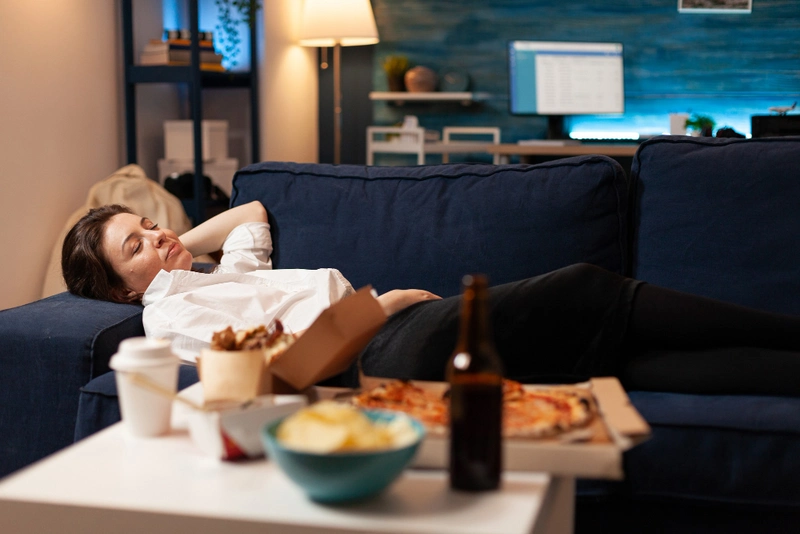
But in modern life, that is exactly what many people do. Lunch breaks end with returning to office chairs. Dinner is followed by television, scrolling on the phone, or falling asleep on the couch. For some people, nothing noticeable happens. For others, the pattern slowly contributes to acidity, bloating, heaviness, reflux, or sluggish digestion.
The truth is more nuanced than the internet makes it sound. Sitting itself is not automatically dangerous after meals. The real issue is how you sit, how long you remain inactive, and whether your body is already prone to digestive problems like acid reflux or bloating.
Research and gastroenterology guidance increasingly suggest that posture and post-meal movement influence digestion more than most people realise. Remaining upright generally supports digestion better than slouching or lying flat after meals because gravity helps keep stomach contents moving downward.
In Indian urban lifestyles, prolonged sitting after meals has become extremely common. Office workers often eat quickly and return immediately to desks for hours. Many people also consume late dinners followed almost instantly by sleep. Gastroenterologists in India frequently associate this pattern with worsening reflux symptoms, post-meal heaviness, and chronic acidity.
Another factor is the composition of Indian meals themselves. Large portions of rice, oily curries, fried snacks, sweets, and tea or coffee after meals can already slow digestion. Adding prolonged inactivity or poor posture afterwards increases abdominal pressure and may worsen reflux symptoms in susceptible individuals.
“Patients often assume digestion is only about what they eat, but posture and post-meal habits matter significantly,” says Gastroenterologist at SecondMedic. “We commonly see acidity worsen in people who eat large meals late at night and immediately recline, slouch, or stay inactive for long periods.”
Is Sitting After Eating Actually Harmful?
Not always.
Simply sitting upright after eating is usually not harmful for healthy individuals. In fact, remaining upright is considered better than lying down because it allows gravity to help food move naturally through the digestive tract.
The problem starts when sitting turns into:
- slouching heavily
- bending forward
- reclining on sofas
- compressing the abdomen
- remaining inactive for prolonged periods
These positions may increase pressure on the stomach and encourage acid to move upward into the food pipe, especially in people with gastroesophageal reflux disease (GERD).
This is why some people experience:
- chest burning
- sour burping
- throat irritation
- bloating
- post-meal heaviness
particularly after dinner.
Why Lying Down Immediately After Eating Causes More Problems
Among all post-meal habits, lying down is considered one of the worst for reflux-prone individuals.
When the body becomes horizontal soon after eating, stomach acid can move more easily into the oesophagus. This is one reason doctors advise patients with GERD not to sleep immediately after dinner.
Late-night reflux has become increasingly common among:
- office workers
- night-shift employees
- students
- people eating dinner after 10 PM
- individuals with obesity
A 40-year-old software consultant from Hyderabad consulted SecondMedic after months of nightly throat burning and morning acidity. His routine involved eating heavy dinners around 11 PM and immediately lying in bed while watching videos on his phone. His symptoms improved substantially after changing meal timing and introducing short post-dinner walks.
This is important because many patients focus only on medications while ignoring behavioural triggers that repeatedly worsen reflux.
Does Walking After Meals Help Digestion?
Gentle walking after meals appears to help many people, especially those experiencing bloating, reflux, or sluggish digestion.
Several digestive specialists now recommend short post-meal walks because mild movement may:
- support gastric emptying
- reduce bloating
- lower reflux risk
- improve post-meal blood sugar response
A light 10-minute walk after meals has been associated with better digestive comfort and glycaemic control compared to prolonged sitting.
However, there is an important distinction here.
Gentle walking is helpful. Intense exercise immediately after eating is not.
Heavy workouts immediately after meals may redirect blood flow away from digestion and cause discomfort, cramps, or nausea.
Poor Sitting Posture May Be Worse Than Sitting Itself
Many people assume “sitting” is the problem, but posture is often the bigger issue.
Slouching compresses the abdominal cavity and increases pressure around the stomach. This may contribute to reflux symptoms in susceptible individuals.
Poor posture during and after meals may also influence:
- swallowing mechanics
- bloating
- gastric pressure
- digestion comfort
This becomes especially noticeable after:
- large meals
- oily food
- carbonated drinks
- alcohol
- overeating
Patients with chronic acidity frequently notice symptom improvement simply by:
- sitting upright
- avoiding tight waistbands
- reducing late-night meals
- avoiding lying flat after eating
What Happens in the Body After Eating?
Digestion is an active physiological process. After meals:
- blood flow increases toward the digestive tract
- stomach muscles begin food breakdown
- gastric acid production rises
- intestinal movement activates
Body position influences how comfortably this process occurs.
Research suggests upright posture may support faster intestinal gas transit and reduce discomfort compared to lying flat.
This partly explains why many people feel:
- heavier
- more bloated
- sleepier
- more acidic
when remaining completely sedentary after large meals.
Common Indian Habits That Worsen Post-Meal Digestion
Doctors in India frequently notice digestive symptoms linked to specific lifestyle patterns:
- sleeping immediately after dinner
- drinking excessive tea after meals
- eating very large late-night dinners
- prolonged desk sitting
- heavy festive meals followed by inactivity
- overeating during weddings or functions
These habits matter more than many people realise because digestion depends not only on food quality but also on behavioural rhythm.
Myths vs Facts About Sitting After Eating
| Myth | Fact |
|---|---|
| “Sitting after eating always damages digestion.” | Sitting upright briefly is usually normal and not harmful. |
| “Walking aggressively after meals burns calories faster.” | Intense activity immediately after eating may worsen discomfort. |
| “Lying down after dinner is harmless.” | Reclining immediately after meals may worsen reflux symptoms. |
| “Acidity is caused only by spicy food.” | Meal timing, posture, and inactivity also contribute significantly. |
| “Only older people get reflux.” | GERD is increasingly common among younger office workers and students. |
When Should Digestive Symptoms Be Evaluated?
Occasional bloating or heaviness after meals is common. But persistent symptoms should not be ignored.
Consult a doctor if you experience:
- frequent acidity
- chest burning
- difficulty swallowing
- chronic bloating
- persistent nausea
- vomiting
- unexplained weight loss
- recurrent throat irritation
- symptoms disturbing sleep
These may indicate:
- GERD
- gastritis
- peptic ulcers
- functional dyspepsia
- gastrointestinal motility disorders
SecondMedic’s Approach
SecondMedic helps patients consult verified gastroenterologists and internal medicine specialists online for acidity, reflux, bloating, digestive discomfort, and chronic stomach-related symptoms. Patients experiencing persistent post-meal heaviness, reflux, or digestive problems can receive medical guidance, dietary recommendations, and treatment advice from home without unnecessary hospital visits.
Sources
- Henry Ford Health, Sitting Versus Standing While Eating, 2022
- NHS Cambridge University Hospitals, GERD Lifestyle Guidance
- PubMed, Walking and chewing reduce postprandial acid reflux
- Indian Express Health, Gastroenterologist Advice on Walking After Meals, 2026