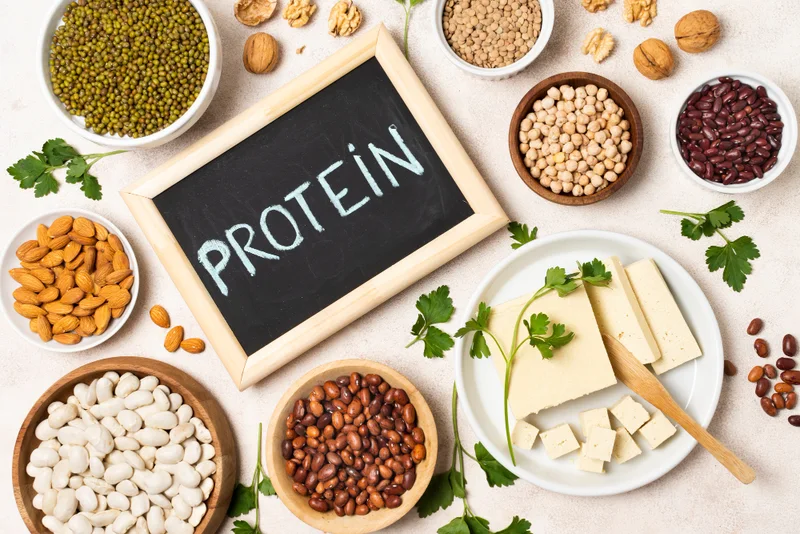
Protein is one of the most important macronutrients. It builds your muscles, supports your skin and hair, and helps in immune function. But what if your body isn’t breaking it down properly?
Let’s explore the key signs your body is not digesting protein properly, why this happens, and what you can do to fix it naturally.
What Happens During Protein Digestion?
When you eat protein (like eggs, meat, or legumes), your stomach produces hydrochloric acid (HCl) and pepsin to begin digestion. Then, enzymes from your pancreas break proteins down into amino acids, which are absorbed by your small intestine.
If any part of this process is disrupted, your body may fail to get enough amino acids—even if you're eating enough protein.
Common Signs of Poor Protein Digestion
1. Bloating and Gas
If you regularly feel bloated or gassy after protein-rich meals, it may be due to undigested proteins fermenting in your gut. This can also lead to discomfort and smelly flatulence.
Tip: Try smaller meals and add ginger or apple cider vinegar before meals to aid digestion.
2. Muscle Weakness
Even with regular workouts, you may struggle to build or maintain muscle. This could mean you're not absorbing enough amino acids, which are vital for muscle repair and strength.
Tip: Check for zinc or B-vitamin deficiencies, which affect protein metabolism.
3. Hair Loss & Brittle Nails
Protein forms the base of keratin, which keeps your hair and nails strong. Poor digestion can result in thinning hair or slow nail growth.
Tip: Add biotin-rich foods and ensure your protein intake is paired with proper digestion support.
4. Fatigue and Low Energy
Amino acids help make neurotransmitters like serotonin and dopamine. If you’re not absorbing protein properly, you might feel tired, foggy, or depressed.
Tip: Add enzyme-rich foods like pineapple (bromelain) and papaya (papain) to your diet.
5. Foul-Smelling Stool or Undigested Food
Visible food in your stool or very foul-smelling bowel movements are signs that digestion is incomplete. You may also notice loose stools or diarrhea after eating protein.
Tip: Consider getting a stool test to check for fat or protein malabsorption.
Causes of Poor Protein Digestion
-
Low stomach acid (Hypochlorhydria)
-
Pancreatic enzyme deficiency
-
Gut inflammation (IBS, IBD, SIBO)
-
Liver or gallbladder issues
-
Aging (natural enzyme decline)
-
Zinc or B12 deficiency
Relevant Tests You Can Book from SecondMedic
You can check for underlying causes through:
-
Serum Total Protein Test
-
Serum Albumin Test
-
Stool analysis
-
Vitamin B12 / Zinc profile
-
Digestive enzyme panel
All these are available through SecondMedic.com, often with home collection via Thyrocare.
How to Improve Protein Digestion Naturally
1. Chew Your Food Thoroughly
Digestion begins in the mouth. Chewing helps enzymes break food down faster in the gut.
2. Eat in a Calm State
Stress affects stomach acid production. Eat slowly, without distractions.
3. Use Natural Digestive Aids
-
Ginger
-
Apple cider vinegar
-
Lemon water
-
Herbal teas (peppermint, chamomile)
4. Include Digestive Enzymes
Supplements with protease help in breaking down proteins. Look for broad-spectrum enzyme blends.
5. Optimize Gut Health
Add probiotics like yogurt or fermented foods (kimchi, kanji, kefir) to help nutrient absorption.
When to See a Doctor
If symptoms persist despite dietary changes, consult a gastroenterologist. Chronic protein malabsorption can lead to:
-
Nutrient deficiencies
-
Immune weakness
-
Muscle loss
-
Hair thinning
Early testing and treatment can prevent long-term health complications.
Conclusion
If you're experiencing bloating, fatigue, hair loss, or weak muscles—even with a protein-rich diet—your body might not be digesting protein properly. Identifying and addressing the root cause can improve your digestion, energy levels, and overall health.
Don’t ignore the signs your body is not digesting protein properly. Start by checking your symptoms, improving your diet, and booking the right lab tests through trusted platforms like SecondMedic.