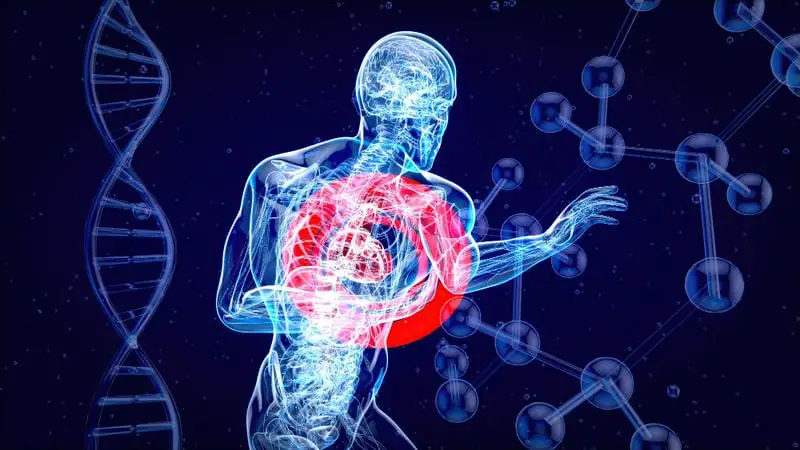
Blood circulation is the body’s transport system, delivering oxygen and nutrients to tissues while removing waste products. When circulation becomes inadequate, organs and tissues do not receive sufficient oxygen, leading to a wide range of symptoms. Recognising the signs of poor circulation in the body early can prevent serious health complications.
In India, circulation problems are increasingly common due to sedentary lifestyles, diabetes, smoking and cardiovascular disease.
What Is Poor Circulation?
Poor circulation occurs when blood flow through arteries or veins is reduced or obstructed. This may happen due to narrowed blood vessels, weak heart pumping, blood clots or nerve damage affecting vascular control.
Healthy circulation is essential for:
-
organ function
-
temperature regulation
-
wound healing
-
energy production
Why Poor Circulation Is a Serious Health Concern
Chronic circulation problems can lead to:
-
tissue damage
-
delayed healing
-
increased infection risk
-
cardiovascular complications
According to WHO, impaired blood circulation contributes significantly to non-communicable diseases worldwide.
Early Signs of Poor Circulation in the Body
Cold Hands and Feet
One of the earliest signs.
Reduced blood flow causes:
-
persistent coldness
-
difficulty warming hands and feet
This occurs even in warm environments.
Numbness and Tingling Sensation
Poor circulation deprives nerves of oxygen.
Symptoms include:
-
pins and needles sensation
-
numbness in fingers or toes
-
reduced sensation
These symptoms should not be ignored.
Swelling in Legs, Ankles or Feet
Fluid buildup occurs when blood return is impaired.
Swelling may:
-
worsen after prolonged sitting or standing
-
reduce with leg elevation
Persistent swelling requires evaluation.
Muscle Cramps and Pain
Inadequate oxygen supply causes muscle fatigue.
Common complaints include:
-
leg pain while walking
-
cramps during activity
-
heaviness in limbs
This may indicate peripheral artery disease.
Skin Colour Changes
Poor circulation alters skin appearance.
Signs include:
-
pale or bluish skin
-
shiny or thin skin
-
slow nail growth
These changes reflect reduced blood supply.
Slow Healing of Wounds
Reduced circulation delays healing.
Minor cuts may:
-
heal slowly
-
become infected easily
This is especially concerning in diabetics.
Fatigue and Low Energy
Poor oxygen delivery reduces energy levels.
People may experience:
-
constant tiredness
-
reduced stamina
-
breathlessness on exertion
Hair Loss on Legs or Feet
Hair follicles require blood supply.
Reduced circulation may cause:
-
thinning hair
-
hair loss on lower limbs
This is a classic sign of arterial disease.
Causes of Poor Circulation
Atherosclerosis
Plaque buildup narrows arteries.
It is a leading cause of circulation problems and heart disease.
Diabetes
High blood sugar damages blood vessels and nerves.
ICMR data shows diabetes as a major contributor to circulation problems in India.
Smoking
Smoking damages blood vessels and reduces oxygen delivery.
It significantly worsens circulation.
Sedentary Lifestyle
Prolonged sitting slows blood flow.
Lack of movement increases venous pooling in legs.
Heart Conditions
Weak heart pumping reduces overall circulation.
Heart failure commonly presents with swelling and fatigue.
Obesity
Excess weight increases pressure on blood vessels and reduces circulation efficiency.
Who Is at Higher Risk?
People at increased risk include:
-
diabetics
-
smokers
-
elderly individuals
-
people with high blood pressure
-
individuals with high cholesterol
Preventive screening is crucial for these groups.
Complications of Untreated Poor Circulation
If untreated, poor circulation can lead to:
-
peripheral artery disease
-
ulcers and gangrene
-
heart attack
-
stroke
-
kidney damage
NITI Aayog highlights early detection of vascular disease as a key preventive strategy.
How Poor Circulation Is Diagnosed
Diagnosis may involve:
-
physical examination
-
blood pressure comparison in limbs
-
Doppler ultrasound
-
blood tests for cholesterol and glucose
Early diagnosis improves outcomes.
Lifestyle Measures That Improve Circulation
Key steps include:
-
regular physical activity
-
quitting smoking
-
maintaining healthy weight
-
controlling blood sugar and cholesterol
-
adequate hydration
WHO recommends at least 150 minutes of moderate activity weekly.
Importance of Preventive Health Checkups
Routine checkups help detect:
-
early vascular changes
-
diabetes and hypertension
-
cholesterol abnormalities
Preventive care reduces long-term complications.
When to Seek Medical Attention
Consult a doctor if you notice:
-
persistent numbness
-
worsening pain while walking
-
non-healing wounds
-
severe swelling
-
skin colour changes
Prompt care prevents irreversible damage.
Conclusion
The signs of poor circulation in the body often begin subtly but can progress into serious health problems if ignored. Cold limbs, numbness, swelling, fatigue and delayed wound healing are not normal signs of aging. They indicate reduced blood flow that requires medical attention. Early recognition, lifestyle changes and timely treatment can restore circulation, protect organs and significantly improve quality of life. Awareness and preventive care remain the strongest tools against circulation-related health risks.
References
- World Health Organization (WHO) – Cardiovascular and Circulatory Health Reports
- Indian Council of Medical Research (ICMR) – Diabetes and Vascular Disease Studies
- National Family Health Survey (NFHS-5) – Non-Communicable Disease Data
- Lancet – Peripheral Artery Disease and Circulation Research
- NITI Aayog – Preventive Cardiovascular Health Framework
- Statista – Global Circulatory Disorder Trends