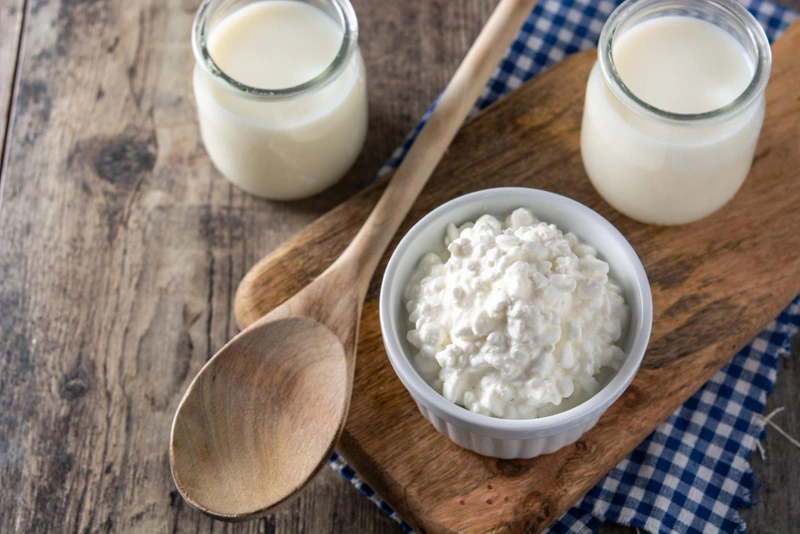
Curd is generally considered good for acidity when consumed in moderation because it contains probiotics that may help improve digestion and reduce stomach irritation. However, flavoured, sour, refrigerated, or heavily spiced curd preparations can worsen acid reflux symptoms in some people, especially those with chronic GERD or gastritis.
Why Acidity Is Increasing in India
India has seen a significant rise in acidity, acid reflux, and gastritis cases due to irregular eating habits, excessive tea consumption, spicy diets, stress, and late-night meals. According to studies published in the Indian Journal of Gastroenterology, gastroesophageal reflux disease (GERD) affects a substantial portion of the urban Indian population, particularly working professionals with sedentary lifestyles.
Curd is commonly recommended in Indian households as a “cooling food,” but many patients consume it incorrectly by combining it with oily meals, pickles, or eating it late at night.
Gastroenterologist at SecondMedic, says:
“Plain fresh curd can help many patients with mild acidity because it soothes the stomach lining and supports gut bacteria. But patients with severe acid reflux often worsen symptoms by eating sour curd, refrigerated curd, or heavy curd-based meals at night.”
How Curd Affects Acidity and Digestion
Curd contains:
- probiotics
- calcium
- protein
- beneficial bacteria such as Lactobacillus
These help maintain gut balance and may reduce digestive irritation.
For many people, fresh homemade curd:
- cools the stomach
- improves digestion
- reduces bloating
- supports gut health
However, curd does not “cure” acidity permanently. The effect depends on:
- quantity consumed
- timing
- preparation style
- underlying digestive condition
When Curd Helps Acidity
1. Mild Acid Reflux and Indigestion
Fresh curd may help neutralise mild stomach irritation and improve digestion after meals.
It is often beneficial when:
- acidity is triggered by spicy food
- there is mild bloating
- digestion feels heavy
- stomach irritation is temporary
Best ways to consume curd for acidity:
- plain homemade curd
- room-temperature curd
- buttermilk with roasted cumin
- small portions during lunch
A 35-year-old software engineer from Pune consulted SecondMedic for daily acidity and bloating. His symptoms improved significantly after reducing late-night meals, limiting caffeine, and replacing spicy evening snacks with light curd-based lunches.
2. Gut Microbiome Support
The probiotics in curd support healthy gut bacteria, which may improve digestion and reduce inflammation in some patients.
Healthy gut bacteria can:
- improve food breakdown
- reduce gas formation
- support bowel regularity
- reduce irritation from unhealthy diets
This is especially important for people recovering from:
- stomach infections
- antibiotic use
- mild gastritis
When Curd Can Worsen Acidity
1. Severe GERD (Gastroesophageal Reflux Disease)
People with chronic GERD may experience worsening symptoms after consuming:
- sour curd
- refrigerated curd
- curd rice at night
- heavy curd-based gravies
Symptoms may include:
- chest burning
- sour burping
- throat irritation
- morning acidity
- regurgitation
In such cases, curd itself may not be the problem, but the timing and accompanying foods trigger reflux.
2. Eating Curd at Night
Late-night curd consumption can worsen symptoms in some individuals, especially if:
- digestion is slow
- meals are oily
- there is chronic sinus congestion
- acid reflux already exists
Many Indian patients combine curd with rice during dinner, which may increase heaviness and nighttime reflux in sensitive individuals.
3. Cold or Stored Curd
Very cold or stale curd may aggravate:
- throat irritation
- cough
- bloating
- acidity symptoms
Fresh homemade curd is generally better tolerated than packaged flavoured varieties containing sugar and additives.
Best Foods to Eat Along With Curd for Acidity
| Food Combination | Why It Helps |
|---|---|
| Plain curd + rice (small quantity) | Easy digestion |
| Buttermilk + cumin | Helps bloating |
| Curd + oats | Light on stomach |
| Curd + banana | May soothe acidity in some people |
| Fresh curd lunch bowl | Supports gut health |
Foods to Avoid With Acidity
Certain foods commonly worsen acidity regardless of curd intake.
Common triggers include:
- spicy fried food
- excessive tea or coffee
- carbonated drinks
- alcohol
- smoking
- citrus-heavy meals
- late-night eating
- oily restaurant food
Reducing these triggers is often more important than eliminating curd entirely.
Symptoms That Need Medical Evaluation
Occasional acidity is common, but persistent symptoms may indicate GERD, ulcers, or gastritis.
Consult a doctor if you experience:
- acidity more than 2-3 times weekly
- difficulty swallowing
- chest pain
- vomiting
- black stools
- unexplained weight loss
- persistent throat irritation
- nighttime reflux
- chronic cough
These symptoms require proper medical assessment instead of repeated self-medication with antacids.
How Doctors Diagnose Chronic Acidity
Doctors may recommend:
- upper GI endoscopy
- H. pylori testing
- acid reflux evaluation
- dietary review
- medication assessment
The goal is to identify whether symptoms are caused by:
- GERD
- gastritis
- ulcers
- food intolerance
- lifestyle triggers
Myths vs Facts About Curd and Acidity
| Myth | Fact |
|---|---|
| “Curd cures acidity permanently.” | Curd may help symptoms but does not treat the underlying disease. |
| “All dairy products worsen acidity.” | Many people tolerate fresh curd better than milk or cream. |
| “Cold curd is always healthy.” | Refrigerated curd may worsen symptoms in sensitive individuals. |
| “Skipping meals helps acidity.” | Long gaps between meals can actually worsen acid production. |
| “Home remedies alone are enough.” | Persistent GERD may require medical treatment and lifestyle changes. |
Is Buttermilk Better Than Curd for Acidity?
In many cases, buttermilk is easier to digest because it is lighter and contains less fat.
Buttermilk with:
- roasted cumin
- coriander
- mint
may help:
- bloating
- heaviness
- mild acidity
However, heavily spiced chaas may irritate sensitive stomachs.
When Should You See a Gastroenterologist?
Book a consultation if:
- acidity affects sleep
- symptoms persist beyond 2 weeks
- antacids are needed frequently
- there is recurrent vomiting
- acidity interferes with daily activities
- symptoms worsen after most meals
Early diagnosis can prevent complications such as severe GERD, ulcers, or esophageal inflammation.
SecondMedic’s Approach
SecondMedic helps patients consult verified gastroenterologists and internal medicine specialists online for acidity, acid reflux, bloating, gastritis, and digestive disorders. Through online consultations, patients can discuss symptoms, dietary triggers, medications, and investigation requirements without unnecessary hospital visits.