For many Indian households, Betadine is one of the first things people reach for after a cut, scrape, kitchen injury, or minor burn. It is commonly kept in home first-aid kits and widely used for wound cleaning because of its antiseptic properties.
But despite how familiar it is, many people still use Betadine incorrectly. Some apply it repeatedly for days without cleaning the wound properly. Others pour large amounts directly into deep cuts, use it on severe burns, or assume it can replace proper medical treatment altogether.
The truth is that Betadine can help reduce infection risk in minor wounds when used correctly, but safe wound care involves much more than simply applying an antiseptic solution.
Minor injuries are extremely common in India, especially among children, elderly individuals, kitchen workers, outdoor labourers, and people managing injuries at home without immediate medical access. Doctors frequently see wounds becoming infected not because the injury was severe initially, but because the wound was cleaned improperly, covered too tightly, or repeatedly touched with unclean hands.
Another growing issue is internet-driven self-treatment. Many patients search questions like:
- how to use Betadine for wounds
- can I apply Betadine on open cuts
- is iodine safe for wounds
- can Betadine help razor burns
without understanding when antiseptics are useful and when a wound actually requires medical attention.
“One of the most common mistakes people make is focusing only on applying antiseptic while ignoring basic wound hygiene,” says General Surgeon at SecondMedic. “A wound heals best when it is properly cleaned, protected, and monitored for signs of infection. Betadine is supportive care, not a substitute for medical evaluation when symptoms become concerning.”
What Is Betadine and How Does It Work?
Betadine contains povidone-iodine, an antiseptic commonly used to reduce bacterial contamination on the skin and around wounds.
It works by slowly releasing iodine, which helps kill a broad range of microorganisms including:
- bacteria
- some viruses
- fungi
This is why Betadine is frequently used:
- before minor procedures
- on small cuts and abrasions
- for superficial wounds
- during first aid cleaning
However, not every wound needs repeated antiseptic application. Overusing strong antiseptics may sometimes irritate healing tissue, especially in sensitive skin or large open wounds.
How to Apply Betadine on Minor Cuts and Wounds Safely
Safe wound care starts with cleaning, not with antiseptic.
Step 1: Wash Your Hands
Before touching the wound, wash your hands thoroughly with soap and water. This simple step is often overlooked but is one of the most important ways to reduce infection risk.
Step 2: Clean the Wound Gently
Rinse the wound with:
- clean running water
- sterile saline if available
The goal is to remove:
- dirt
- debris
- dust
- small particles
Scrubbing aggressively may damage tissue unnecessarily.
Step 3: Dry the Area Carefully
Use a clean cloth or sterile gauze to gently pat the surrounding skin dry.
Step 4: Apply Betadine in a Thin Layer
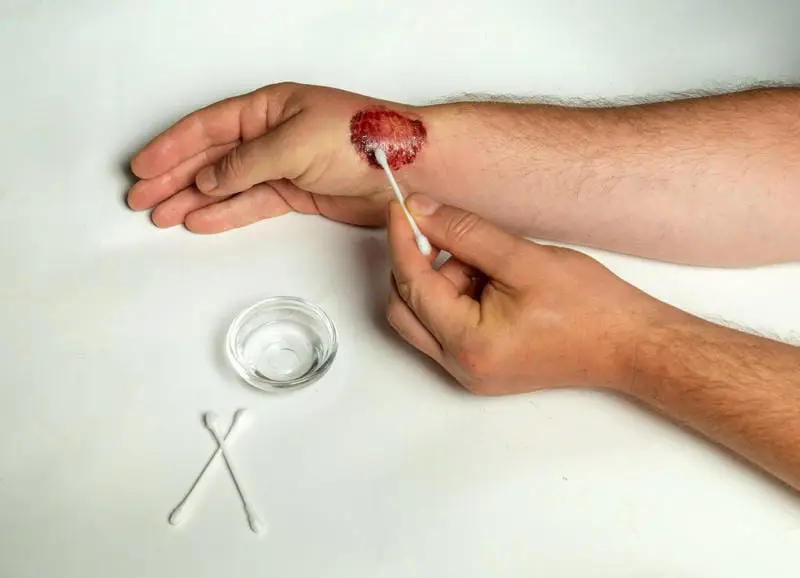
A small amount is usually enough. Betadine should be applied gently over the affected area rather than poured excessively into deep wounds.
Many people assume “more antiseptic means faster healing,” but excessive application does not improve recovery.
Step 5: Cover if Needed
Small wounds may be left open if clean and dry. Larger cuts or areas exposed to friction are often better protected with sterile dressing or gauze.
Bandages should be changed regularly, especially if they become wet or dirty.
Is It Safe to Put Iodine on an Open Wound?
This is one of the most common concerns people search online.
In general, povidone-iodine products like Betadine are commonly used for minor open wounds and cuts. However, the safety depends on:
- wound depth
- wound size
- location
- severity of injury
- patient sensitivity
Small superficial wounds are usually manageable with basic first aid. But deep cuts, puncture wounds, severe burns, animal bites, or heavily contaminated injuries should not rely on home antiseptic treatment alone.
A 26-year-old college student from Jaipur consulted SecondMedic after repeatedly applying antiseptic solutions to a shaving-related cut that had become increasingly irritated and painful. The problem was not lack of antiseptic, but excessive repeated application combined with friction and poor wound protection.
This is important because irritation and delayed healing can sometimes occur when people overtreat minor wounds unnecessarily.
Can Betadine Be Used on Razor Burns?
People frequently ask whether Betadine helps razor burns or shaving cuts.
Mild razor cuts may be cleaned carefully and treated with antiseptic if the skin barrier is broken. However, razor burn itself is usually more of an inflammatory skin irritation than an infection.
Repeated antiseptic use on irritated skin may sometimes worsen dryness or sensitivity.
Doctors usually recommend focusing more on:
- proper shaving technique
- avoiding blunt razors
- reducing friction
- keeping the area clean
- allowing irritated skin to recover
rather than repeatedly applying strong antiseptics to non-infected irritation.
Can Betadine Be Applied on Burns?
This depends entirely on burn severity.
Minor superficial burns may sometimes be managed with basic wound care and medical guidance. However, more serious burns require professional assessment.
Patients should avoid self-treating:
- large burns
- blistering burns
- electrical burns
- chemical burns
- facial burns
- infected burns
with home remedies alone.
One of the biggest mistakes doctors see is people applying toothpaste, turmeric, oil, or random ointments immediately after burns instead of proper cooling and medical evaluation.
Common Wound Care Mistakes People Make
Doctors frequently notice several harmful habits during home wound management:
- touching wounds repeatedly
- applying multiple creams together
- using cotton directly inside wounds
- overusing antiseptics
- tightly sealing moist wounds
- ignoring signs of infection
- delaying medical care
In many cases, infection develops not because the injury was severe, but because wound hygiene became poor over time.
Signs a Wound May Be Infected
Medical evaluation becomes important if the wound develops:
- increasing redness
- swelling
- pus discharge
- worsening pain
- fever
- bad smell
- warmth around the area
- delayed healing
These symptoms may suggest bacterial infection requiring proper treatment.
Myths vs Facts About Betadine and Wound Care
| Myth | Fact |
|---|---|
| More Betadine speeds up healing. | Excessive antiseptic use may irritate healing tissue. |
| All cuts can be treated at home. | Deep wounds and severe injuries may require medical care. |
| If a wound stops bleeding, it is completely safe. | Infection risk can still develop later. |
| Antiseptic alone heals wounds. | Proper cleaning and wound care matter equally. |
| Razor burns always need antiseptic treatment. | Many razor burns are irritation-related rather than infected. |
When Should You See a Doctor?
Consult a healthcare professional if:
- the wound is deep
- bleeding does not stop
- signs of infection appear
- swelling worsens
- fever develops
- the injury involves an animal bite
- the wound contains debris
- there is severe pain
- healing becomes delayed
Patients with diabetes should be especially careful because wounds may heal more slowly and carry higher infection risk.
Conclusion
SecondMedic helps patients consult verified doctors online for cuts, burns, wound care, skin infections, dressing guidance, and first-aid concerns. Patients can receive medical advice regarding wound cleaning, infection signs, medication safety, and healing support from home without unnecessary delays.
Sources
- World Health Organization (WHO), Wound Care and Infection Prevention Guidance
- Mayo Clinic, First Aid for Cuts and Scrapes
- Cleveland Clinic, Wound Cleaning and Dressing Basics
- National Health Service (NHS), Minor Cuts and Grazes Treatment