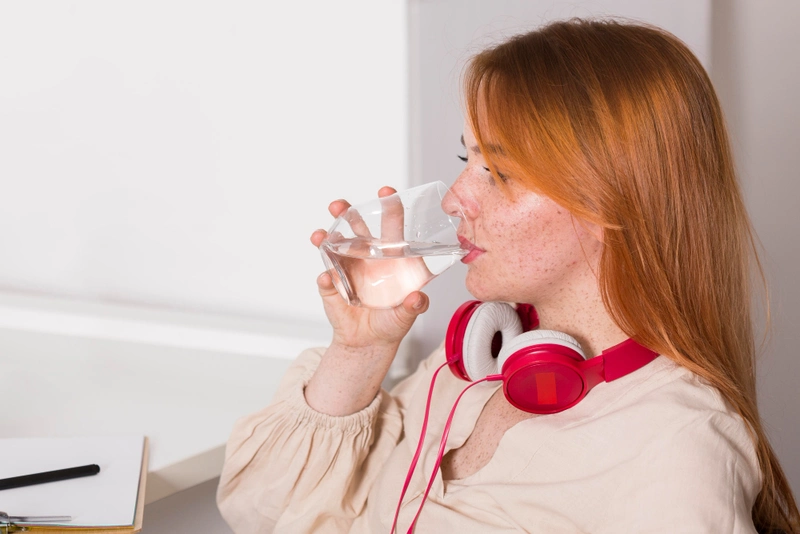
Preparing for a blood test can feel confusing, especially when it comes to fasting and water intake. Many people wonder how much water to drink before blood test and whether water is even allowed. The truth is that staying hydrated plays an important role in getting accurate results and making the blood draw easier and less painful. This guide explains why hydration matters, how much water you need, and how to prepare properly for your blood test.
Why Drinking Water Before a Blood Test Is Important
Your blood is made up of plasma (a fluid) and different types of blood cells. When you are dehydrated, the fluid part of blood reduces, making your blood thicker. Thickened blood is harder to draw and may affect certain test values. On the other hand, drinking water keeps your veins full and easier to access with a needle.
A hydrated body also gives a better quality blood sample, which leads to more accurate results. Lab technicians prefer drawing blood from people who are well-hydrated, as it saves time and reduces discomfort for the patient.
How Much Water Should You Drink?
In most routine blood tests—including fasting tests—you are advised to drink 1–2 full glasses of water (about 250–500 ml) before your appointment. Ideally, drink the water 30–60 minutes before the test. This allows your body to absorb the water and improve circulation.
If your test is in the early morning, simply drink a glass of water after waking up. You can drink another small glass on the way to the lab if required.
Can You Drink Water During Fasting?
Yes. Fasting before a blood test usually refers to avoiding food and drinks that contain calories. Plain water does not have calories or sugars and does not affect blood glucose or cholesterol test results. Therefore, it is safe to drink water unless your doctor specifically advises otherwise.
What You Should Avoid Before a Blood Test
While water is allowed, there are a few liquids which should be avoided before your blood test:
-
Fruit Juice
-
Coffee and Tea
-
Milk or Milk-based Drinks
-
Soft Drinks or Energy Drinks
-
Alcohol
These drinks contain sugars, caffeine, fats, or alcohol, which can alter blood test results.
Tips for Preparing for a Blood Test
-
Follow the fasting period (typically 8–12 hours) strictly.
-
Drink 1–2 glasses of plain water before the test.
-
Avoid smoking or chewing gum before the test.
-
Wear comfortable clothing that allows easy access to your arm.
-
Let the nurse know if you feel anxious or have a history of fainting.
Who Should Be Extra Careful About Water Intake?
People with heart failure, kidney disease, or fluid-restricted diets should consult their doctor regarding how much water they can drink before a blood test. In such cases, the doctor will give personalised advice on water intake.
What About Specialised Tests?
Most common blood tests (CBC, lipid profile, fasting glucose, LFT, KFT, thyroid, vitamin D/B12) allow water. Only a few specialised tests – such as tests for electrolyte balance or certain hormone tests – may require a stricter fasting protocol. Always check the lab instruction sheet or doctor’s advice before your test.
Takeaway Tips to Remember
-
Water helps: Drinking water improves blood flow and sample quality.
-
Recommended amount: 250–500 ml of water (1–2 glasses) is usually enough.
-
Avoid calories: Drink only plain water during fasting.
-
Ask your doctor: Follow specific instructions if provided for specialised tests.
Conclusion
Proper preparation improves the quality of blood test results and makes the experience more comfortable for both you and the healthcare professional. One of the simplest yet most effective steps is to stay hydrated before the test. If you are wondering how much water to drink before blood test, the answer is simple—1 to 2 glasses of plain water 30 to 60 minutes before your appointment is safe and beneficial. Staying hydrated ensures better results, smoother blood collection and a more comfortable experience overall.