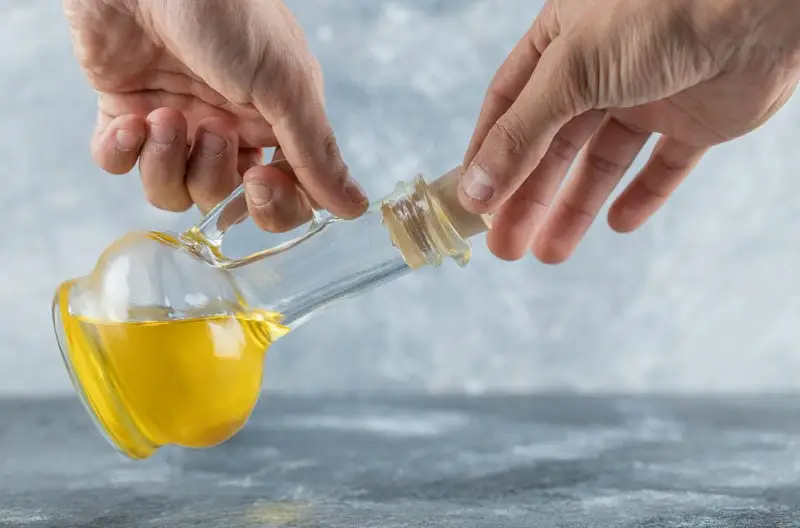
Reusing cooking oil is one of the most common kitchen habits in Indian households. After frying puris, pakoras, samosas, or snacks, many families store the leftover oil and use it again later to avoid wastage. In restaurants and street-food settings, the same oil may sometimes be reheated repeatedly throughout the day.
While this practice may appear economical and harmless, repeatedly heated oil undergoes significant chemical changes that may negatively affect health over time.
The concern is not simply that the oil becomes “old.” The real issue is what happens to oil chemically when it is exposed to high temperatures again and again. Repeated heating breaks down the structure of the oil and may lead to the formation of harmful compounds such as aldehydes, oxidised fats, free radicals, and trans fats. These substances have been associated with inflammation, oxidative stress, cardiovascular disease risk, and other long-term health concerns.
This is why food safety experts and public health organisations increasingly warn against repeatedly reheating cooking oil, especially for deep frying.
In India, reused oil exposure is particularly relevant because fried food consumption is deeply integrated into daily eating patterns. Street food, festive cooking, commercial frying, and restaurant food often involve prolonged oil heating cycles. Many households also continue reusing oil until it becomes darker, thicker, or smoky without realising that visible changes usually appear only after significant degradation has already started.
Doctors increasingly notice metabolic and lifestyle diseases rising alongside dietary patterns high in processed and repeatedly fried foods. While reused oil is not the only reason conditions like obesity, diabetes, or heart disease develop, it may contribute to chronic inflammatory stress inside the body over time.
“People often assume reused oil is safe as long as it doesn’t smell bad,” says Preventive Cardiology Specialist at SecondMedic. “But harmful chemical changes begin much earlier than most people realise, especially during repeated deep frying at high temperatures.”
What Happens When Cooking Oil Is Reheated?
Cooking oils contain fatty acids that begin to break down under repeated heat exposure.
When oil is reheated multiple times:
- oxidation increases
- free radicals form
- trans fats may rise
- toxic byproducts accumulate
- nutritional quality decreases
The oil gradually becomes:
- darker
- thicker
- foamier
- more viscous
- lower in smoke point
Food safety research has shown that repeatedly heated oils can generate harmful compounds including aldehydes and polycyclic aromatic hydrocarbons (PAHs), some of which have been linked to chronic disease risk.
This degradation becomes even faster when:
- food particles remain in the oil
- frying temperature is very high
- oil is exposed to air repeatedly
- oil is stored improperly after use
Why Reheated Oil May Increase Inflammation
One of the biggest concerns around reused oil is oxidative stress.
Repeated heating generates unstable molecules called free radicals. These molecules may damage cells and contribute to inflammation within the body. Chronic inflammation has been associated with several long-term conditions including:
- cardiovascular disease
- insulin resistance
- fatty liver disease
- metabolic syndrome
Research has also suggested that repeatedly heated oils may negatively affect blood vessels and cholesterol balance over time.
This becomes particularly concerning in populations already at high risk for:
- diabetes
- obesity
- hypertension
- sedentary lifestyle disorders
Can Reused Oil Affect Heart Health?
Potentially, yes.
Repeatedly heated oils may contribute to the formation of oxidised fats and trans fats, which are associated with poorer cardiovascular health outcomes.
Some studies and expert reviews suggest that excessive intake of foods prepared in degraded oil may:
- increase LDL (“bad”) cholesterol
- worsen triglyceride levels
- increase oxidative stress
- affect blood vessel function
While occasional exposure is unlikely to cause immediate harm, regular consumption of heavily fried food cooked in degraded oil may increase long-term cardiovascular burden.
Why Street Food and Commercial Frying Can Be Riskier
Commercial frying environments often involve:
- prolonged oil heating
- repeated deep frying cycles
- large batch cooking
- delayed oil replacement
Food safety authorities monitor something called Total Polar Compounds (TPC), which increase as oil deteriorates. High TPC levels indicate degraded oil quality and potential health risk.
This is one reason excessively dark or smoky frying oil is considered unsafe.
A 38-year-old office worker from Delhi consulted SecondMedic after persistent acidity, bloating, and digestive discomfort that worsened after frequent consumption of roadside fried snacks. While multiple dietary factors contributed, reducing heavily fried outside food significantly improved symptoms over time.
Can Reheated Oil Affect Digestion?
Many people notice immediate digestive symptoms after eating food fried in reused oil.
Common complaints include:
- acidity
- bloating
- heaviness
- nausea
- indigestion
- stomach discomfort
This may happen because degraded oils become harder for the digestive system to process efficiently.
Patients with:
- acid reflux
- gastritis
- IBS
- fatty liver disease
- sensitive digestion
often tolerate heavily fried reheated food poorly.
Does Reused Oil Increase Cancer Risk?
This is an area of ongoing scientific research.
Repeated heating may generate compounds such as aldehydes and PAHs, which have been studied for their potential carcinogenic effects.
However, it is important to avoid exaggerated fear-based claims. Cancer risk is influenced by multiple factors including:
- smoking
- alcohol
- obesity
- genetics
- overall dietary pattern
- pollution exposure
- physical inactivity
Reused oil alone does not “cause cancer” directly, but frequent long-term exposure to degraded frying compounds may contribute to unhealthy inflammatory and oxidative processes in the body.
Which Oils Become Unstable Faster?
Oils rich in polyunsaturated fats tend to break down faster under repeated high heat.
Deep frying repeatedly at very high temperatures increases instability further.
Factors affecting oil stability include:
- smoke point
- frying temperature
- duration of heating
- food moisture
- exposure to oxygen
Regardless of oil type, repeated overheating increases degradation risk over time.
Signs Cooking Oil Should Not Be Reused
Oil should ideally be discarded if it:
- smells rancid
- becomes very dark
- turns sticky or thick
- produces excessive smoke
- foams excessively
- contains burnt particles
- tastes bitter
These signs suggest significant breakdown and oxidation.
Safer Cooking Practices at Home
Doctors and food safety experts generally recommend:
- avoiding repeated deep frying
- filtering oil if reused once
- storing used oil in airtight containers
- avoiding mixing fresh and old oil
- discarding heavily degraded oil
- preferring fresh oil for high-heat cooking
FSSAI guidance has also warned against excessive reheating and repeated reuse of edible oils.
Common Myths vs Facts About Reused Oil
| Myth | Fact |
|---|---|
| Reused oil is safe if it still looks clean. | Harmful chemical changes may occur before visible changes appear. |
| Heating kills all problems in old oil. | Repeated heating itself creates harmful breakdown compounds. |
| Only restaurants reuse oil. | Many households routinely reuse frying oil multiple times. |
| Reheated oil only affects digestion. | Long-term exposure may also affect cardiovascular and metabolic health. |
| Dark oil is the only dangerous oil. | Chemical degradation starts earlier than visible darkening. |
When Should Dietary Habits Be Reassessed?
Frequent intake of heavily fried or reheated foods should be reconsidered if you experience:
- chronic acidity
- bloating
- elevated cholesterol
- fatty liver disease
- digestive discomfort
- obesity
- recurrent indigestion
Lifestyle-related diseases often involve cumulative dietary patterns rather than one single food habit.
Conclusion
SecondMedic helps patients consult verified gastroenterologists, cardiologists, nutritionists, and preventive health specialists online for digestive health concerns, cholesterol management, fatty liver disease, obesity, acidity, and diet-related lifestyle disorders. Patients can receive evidence-based dietary guidance and personalised health recommendations from home.
Sources
- Pattern of Edible Oil Consumption and Practice of Reuse, PMC 2025
- PubMed Review: Impact of Consumption of Repeatedly Heated Cooking Oils
- Singapore Food Agency: Reusing Cooking Oils
- FSSAI Guidance on Reuse of Cooking Oil
- American Oncology Institute: Reusing Cooking Oil and Health Risks