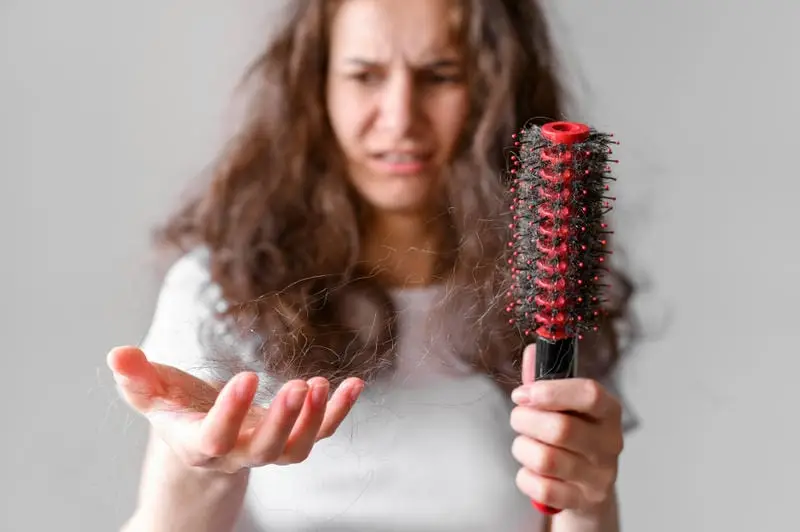
Hair fall is a common concern, but when hair loss increases suddenly and noticeably, it often causes anxiety. Many people assume sudden hair fall is permanent or genetic, but in reality, it is frequently linked to internal health disturbances. Understanding the causes of sudden hair fall helps identify reversible triggers and prevents long-term damage.
In India, sudden hair shedding is increasingly reported due to lifestyle stress, nutritional gaps and post-illness recovery.
Understanding Normal vs Sudden Hair Fall
Losing 50–100 hair strands daily is normal.
Sudden hair fall is characterised by:
-
excessive shedding while combing or washing
-
hair thinning over weeks
-
visible hair strands on pillows or floors
This pattern indicates a disruption in the hair growth cycle.
Telogen Effluvium: The Most Common Cause
The most frequent reason for sudden hair fall is telogen effluvium.
In this condition:
-
hair prematurely enters the resting phase
-
shedding occurs 2–3 months after a trigger
Triggers include stress, illness or nutritional deficiency.
Stress and Emotional Shock
Severe physical or emotional stress disrupts hair growth.
Common stressors include:
-
job pressure
-
emotional trauma
-
anxiety disorders
-
sleep deprivation
ICMR studies confirm stress as a major contributor to acute hair shedding.
Fever, Infections and Post-Illness Hair Fall
High fever or infections such as:
-
viral illnesses
-
dengue
-
COVID-19
-
typhoid
can cause sudden hair fall weeks after recovery. The body redirects energy toward healing, temporarily affecting hair follicles.
Nutritional Deficiencies
Hair follicles require continuous nutrient supply.
Deficiencies commonly linked to hair fall include:
-
iron deficiency (low hemoglobin)
-
vitamin B12 deficiency
-
low protein intake
-
zinc deficiency
NFHS-5 reports widespread micronutrient deficiencies in Indian adults.
Hormonal Imbalance
Hormones strongly influence hair growth.
Sudden hair fall may be linked to:
-
thyroid disorders
-
postpartum hormonal changes
-
polycystic ovary syndrome (PCOS)
-
sudden hormonal medication changes
Thyroid imbalance is a frequent but underdiagnosed cause.
Rapid Weight Loss or Crash Dieting
Extreme dieting deprives hair follicles of nutrients.
Hair fall occurs when:
-
calories are drastically reduced
-
protein intake is inadequate
-
weight loss is rapid
This form of hair fall is usually reversible with nutritional correction.
Medications and Medical Treatments
Certain medications cause temporary hair shedding, including:
-
chemotherapy drugs
-
antidepressants
-
blood pressure medicines
-
isotretinoin
Hair regrowth usually resumes after treatment ends.
Scalp and Skin Conditions
Scalp health affects hair retention.
Conditions causing sudden hair fall include:
-
severe dandruff
-
fungal infections
-
scalp inflammation
Treating scalp disorders reduces shedding.
Autoimmune Conditions
Autoimmune disorders such as alopecia areata cause sudden hair loss in patches.
Early diagnosis improves outcomes.
Lifestyle Factors Worsening Hair Fall
Contributing lifestyle habits include:
-
irregular sleep
-
smoking
-
poor hydration
-
excessive heat styling
-
harsh chemical treatments
These worsen underlying triggers.
Psychological Impact of Sudden Hair Fall
Hair loss affects self-esteem and mental health.
Stress caused by hair fall can:
-
worsen shedding
-
create a vicious cycle
Addressing emotional wellbeing is important.
How Sudden Hair Fall Is Diagnosed
Evaluation may include:
-
detailed medical history
-
blood tests for iron, B12 and thyroid
-
nutritional assessment
Identifying the root cause ensures effective treatment.
Treatment and Recovery Timeline
Once the trigger is corrected:
-
hair fall reduces within weeks
-
regrowth begins within 2–3 months
Most cases recover fully.
Prevention Strategies
Preventive measures include:
-
balanced diet
-
stress management
-
adequate sleep
-
regular health checkups
-
avoiding extreme diets
WHO emphasises nutrition and stress control for hair health.
When to Seek Medical Advice
Consult a doctor if:
-
hair fall is sudden and excessive
-
shedding lasts over three months
-
hair fall is accompanied by fatigue or weight changes
Early care prevents chronic issues.
Conclusion
The causes of sudden hair fall are usually internal and reversible rather than permanent hair disorders. Stress, illness, nutritional deficiencies and hormonal imbalances are the most common triggers. Recognising these causes early allows timely correction and full recovery. Instead of panic or cosmetic over-treatment, medical evaluation and lifestyle correction are the most effective solutions. Healthy hair begins with a healthy body.
References
- Indian Council of Medical Research (ICMR) – Nutrition and Hair Health Studies
- National Family Health Survey (NFHS-5) – Micronutrient Deficiency Data
- World Health Organization (WHO) – Nutrition and Stress Health Guidelines
- Lancet – Telogen Effluvium and Hair Cycle Research
- NITI Aayog – Preventive Health and Lifestyle Reports
- Statista – Hair Loss and Lifestyle Health Trends