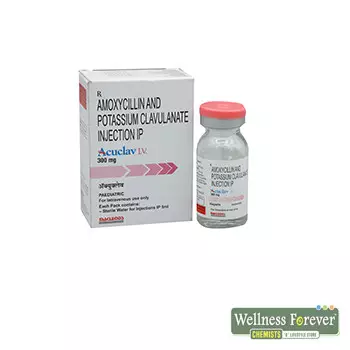
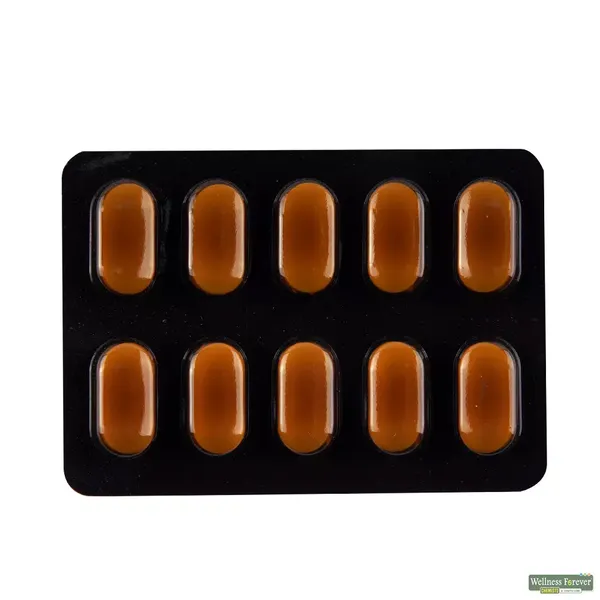
Pedi AG is in a class of medications called a penicillin-like antibiotic. It works by inhibiting the formation of the bacterial cell wall synthesis, which is essential for the survival of the bacteria in the human body. Potassium clavulanate is a beta-lactamase inhibitor that reduces antibiotic resistance towards bacteria and enhances the activity of amoxicillin. A combination of amoxicillin and potassium clavulanate helps in the effective treatment of resistant tuberculosis.
In multidrug-resistant (mdr) tuberculosis, the causative bacteria produce an enzyme called beta-lactamase. This enzyme doesn't help in showing the therapeutic effect of medicine and makes it ineffective. As a result, the bacteria become resistant to the antibiotic. To overcome resistance towards bacteria combination drug is prescribed rather than a single drug.
Pedi AG's most common side effects include vomiting, diarrhoea, nausea, abdominal pain, and allergy. Usually, they resolve with time. Consult your child's doctor immediately if any of these side effects may bother you or if the symptoms persist for a longer duration. The doctor may prescribe giving it two to three times a day. The dose calculation depends upon the severity of the infection, its type, and your child's body weight and age. If your child starts vomiting after administration of this medicine after 30 minutes of intake, calm the child and repeat the dose. Do not double dose if it's the time for the next dose.
Inform your child's entire medical history with the physician, including any previous episode of allergy, heart problem, a blood disorder, birth defects, airway obstruction, lung anomaly, gastrointestinal problem, skin disorder, liver impairment, and kidney malfunction. This information helps the doctor in prescribing dose alterations for your child's overall treatment.