Introduction: Which Sugar Test Should You Take?
If you are planning a blood sugar test, you may have come across three common names: Fasting Blood Sugar (FBS), Post-Prandial Blood Sugar (PPBS) and HbA1c.
Although all three tests are used to assess blood glucose, they do not measure exactly the same thing.
- Fasting Blood Sugar: Measures blood glucose after you have not eaten for at least eight hours.
- PP Blood Sugar: Measures glucose after a meal, usually two hours after eating.
- HbA1c: Estimates your average blood glucose over approximately the previous two to three months.
So, which one should you choose?
It depends on whether you want to check your current fasting glucose, understand your post-meal glucose response, assess longer-term blood sugar control or investigate possible diabetes.
In this guide, we explain the differences, preparation requirements, commonly used reference ranges and the Jaanch Diabetes Screening package available through SecondMedic.
1. What Is a Fasting Blood Sugar Test?
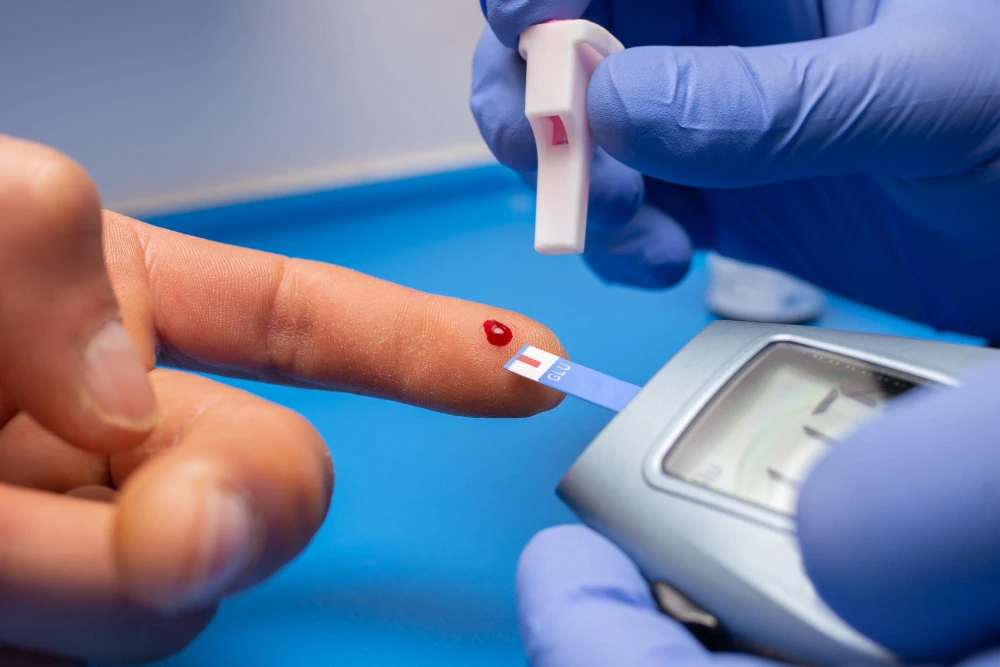
A Fasting Blood Sugar test, also called Fasting Plasma Glucose (FPG), measures the amount of glucose in your blood after you have avoided food and drinks containing calories for at least eight hours.
It is commonly used to screen for diabetes and prediabetes.
Why is the fasting sugar test important?
When you have not eaten overnight, your body still maintains blood glucose using stored energy and glucose produced by the liver.
A fasting test helps doctors understand how your body regulates glucose without the immediate influence of a recent meal.
It may be recommended if you:
- Have a family history of diabetes.
- Are overweight or have other diabetes risk factors.
- Have high blood pressure or abnormal cholesterol.
- Experience increased thirst or frequent urination.
- Need monitoring for an existing blood sugar condition.
Fasting blood sugar reference ranges
| Fasting blood glucose | General interpretation |
|---|---|
| Below 100 mg/dL | Normal |
| 100–125 mg/dL | Prediabetes range |
| 126 mg/dL or higher | Diabetes range |
A result in the diabetes range generally needs confirmation with repeat or additional testing unless there is unequivocal hyperglycaemia.
How to prepare for an FBS test
- Avoid food and calorie-containing drinks for at least eight hours.
- Plain water is generally allowed.
- Morning sample collection is often convenient.
- Follow your doctor's instructions about medication.
- Do not stop prescribed diabetes medicines without medical advice.
2. What Is a PP Blood Sugar Test?
PP stands for Post-Prandial. A PP Blood Sugar test measures blood glucose after eating a meal, commonly two hours after the first bite.
It helps assess how your body handles glucose after food.
Why is a PP sugar test recommended?
Blood glucose naturally rises after eating. Insulin helps move glucose from the bloodstream into cells.
If your body does not produce enough insulin or cannot use it effectively, glucose may remain elevated.
A PP test may help a doctor:
- Understand post-meal glucose levels.
- Monitor people already diagnosed with diabetes.
- Evaluate blood sugar patterns alongside fasting glucose and HbA1c.
- Review how well a diabetes management plan is working.
What is a normal PP blood sugar level?
For a standard diagnostic test, it is important to distinguish a two-hour Post-Prandial test after an ordinary meal from a two-hour Oral Glucose Tolerance Test (OGTT).
These are not interchangeable.
The commonly used diagnostic thresholds below apply to a two-hour 75 g OGTT, not automatically to a routine PP reading after any meal.
| Two-hour OGTT result | General interpretation |
|---|---|
| Below 140 mg/dL | Normal |
| 140–199 mg/dL | Prediabetes range |
| 200 mg/dL or higher | Diabetes range |
For people already living with diabetes, doctors may set individual post-meal glucose targets based on age, medication, pregnancy status, other medical conditions and risk of low blood sugar.
How to prepare for a PP test
- Eat the meal or follow the glucose instructions specified by your doctor.
- Record the time you start eating.
- Give the blood sample at the instructed time, commonly two hours after the first bite.
- Do not deliberately change your usual meal unless instructed.
- Follow the laboratory's collection instructions.
Important: A routine PP reading should not be interpreted using OGTT diagnostic cut-offs without considering how the test was performed.
3. What Is an HbA1c Test?
HbA1c is also called glycated haemoglobin. It measures the percentage of haemoglobin in red blood cells that has glucose attached to it.
Because red blood cells circulate for several months, HbA1c provides an estimate of average blood glucose over approximately the previous two to three months.
Unlike a fasting blood sugar test, HbA1c generally does not require fasting.
Why is HbA1c useful?
HbA1c can help doctors:
- Screen for prediabetes and diabetes.
- Assess longer-term blood sugar control.
- Monitor people who already have diabetes.
- Understand whether glucose levels have remained elevated over time.
HbA1c reference ranges
| HbA1c result | General interpretation |
|---|---|
| Below 5.7% | Normal |
| 5.7%–6.4% | Prediabetes range |
| 6.5% or higher | Diabetes range |
In people without clear symptoms of diabetes, a result in the diabetes range generally needs confirmation.
Does HbA1c require fasting?
No. HbA1c can generally be performed at any time of the day without fasting.
However, certain conditions can affect the accuracy of HbA1c, including some types of anaemia, recent blood loss or transfusion, haemoglobin variants and other conditions affecting red blood cells.
Your doctor may choose a plasma glucose test instead if HbA1c is not suitable. For more detail, read our guide to the HbA1c test normal range and preparation.
4. Fasting vs PP vs HbA1c: What Is the Difference?
Here is a quick comparison to help you understand the three tests.
| Feature | Fasting Blood Sugar | PP Blood Sugar | HbA1c |
|---|---|---|---|
| Full name | Fasting Plasma Glucose | Post-Prandial Glucose | Glycated Haemoglobin |
| What it measures | Glucose after fasting | Glucose after a meal | Estimated average glucose over 2–3 months |
| Preparation | At least 8 hours fasting | Timed after a meal | Usually no fasting |
| Best for | Fasting glucose screening | Post-meal glucose assessment | Longer-term glucose assessment |
| Common use | Screening and monitoring | Monitoring and selected assessments | Screening, diagnosis and monitoring |
| Does it show long-term control? | No | No | Yes |
The three tests provide different information. One does not automatically replace the others.
5. Which Sugar Test Should You Take?
The right test depends on your purpose and medical history.
If you want a basic blood sugar screening
A fasting blood sugar test is a commonly used starting point for diabetes screening.
Your doctor may also recommend HbA1c, particularly if you want to assess longer-term glucose levels or have additional risk factors.
If you want to understand your average sugar level
HbA1c is useful because it provides an estimate of glucose levels over the previous two to three months.
It is particularly helpful for monitoring people who have already been diagnosed with diabetes.
If you want to understand post-meal sugar levels
A PP test may be recommended when your doctor wants to assess glucose after food or monitor your post-meal readings.
If a formal diagnostic assessment of glucose tolerance is required, your doctor may recommend a standardised OGTT instead.
If you have already been diagnosed with diabetes
Your doctor may use a combination of fasting glucose, post-meal glucose and HbA1c to monitor your condition.
The frequency of testing depends on your treatment plan, glucose control and other health factors.
6. Jaanch Diabetes Screening: A Broader Diabetes Health Checkup
If you want more than an individual sugar test, SecondMedic lists the Thyrocare Jaanch Diabetes Screening package.
The current package listing includes:
Diabetes markers
- Fasting Blood Sugar (Glucose)
- HbA1c
- Average Blood Glucose (ABG)
Lipid markers
- Total Cholesterol
- Triglycerides
Kidney-related markers
- Blood Urea Nitrogen (BUN)
- Serum Creatinine
- Uric Acid
- Calcium
- Other listed kidney-related calculated ratios and measurements
This combination provides information about blood glucose, selected cholesterol measurements and kidney-related markers.
It is important to understand that a diabetes screening package does not replace a complete diabetes assessment. Your doctor may recommend additional tests, such as urine albumin-to-creatinine ratio, a more complete lipid profile or other investigations depending on your health history.
What is the price of Jaanch Diabetes Screening?
The SecondMedic listing currently shows Jaanch Diabetes Screening at ₹899 (MRP ₹999). The live price and package inclusions may change, so check the product page before booking.
View Jaanch Diabetes Screening on SecondMedic.
Why consider a diabetes screening package?
It may be useful if you want to review multiple health markers in one booking rather than ordering only an individual glucose test.
The package currently lists fasting glucose and HbA1c alongside selected lipid and kidney-related tests.
Home sample collection is listed for eligible bookings, and the product page indicates digital reports are generally shared within 48–72 hours. Confirm the collection availability, fasting instructions and report timeline when booking.
7. Who Should Consider Regular Blood Sugar Screening?
Diabetes can develop without obvious symptoms. Screening may be particularly important if you have one or more risk factors.
Consider discussing testing with your healthcare professional if you:
- Have a parent or sibling with diabetes.
- Are overweight or physically inactive.
- Have high blood pressure.
- Have abnormal cholesterol or triglyceride levels.
- Have previously been told you have prediabetes.
- Have a history of gestational diabetes.
- Experience increased thirst, frequent urination or unexplained weight loss.
In India, diabetes screening is particularly relevant because type 2 diabetes can occur in adults at relatively young ages.
The appropriate starting age and screening frequency depend on individual risk and medical advice.
8. Symptoms of High Blood Sugar You Should Not Ignore
Some people with diabetes have no noticeable symptoms, particularly in the early stages.
However, possible symptoms of high blood sugar include:
- Frequent urination.
- Increased thirst.
- Increased hunger.
- Unexplained weight loss.
- Unusual tiredness.
- Blurred vision.
- Recurrent infections.
- Slow wound healing.
If you notice these symptoms, arrange a medical assessment instead of relying only on a home glucometer or online reference ranges.
Severe vomiting, dehydration, abdominal pain, confusion or rapid/deep breathing alongside high glucose symptoms can indicate a medical emergency. Seek urgent medical attention.
9. How to Prepare for a Diabetes Screening Package
If you are booking Jaanch Diabetes Screening, preparation matters because the package includes fasting blood glucose and other measurements.
Before your appointment:
- Follow the fasting instructions confirmed by the laboratory. The current listing advises 8–10 hours of fasting.
- Plain water is generally permitted during fasting.
- Avoid tea, coffee, juice and other calorie-containing drinks unless your laboratory gives different instructions.
- Do not stop prescribed medicines without advice from your doctor.
- Tell the collection team about any medicines or supplements that may affect your testing.
- Confirm the sample collection appointment and expected report time.
If you have diabetes and take insulin or glucose-lowering medication, ask your doctor how to manage medication around fasting and sample collection. Do not change your dose independently.
Conclusion: Choose the Sugar Test That Answers Your Health Question
Fasting Blood Sugar, PP Blood Sugar and HbA1c all help assess glucose, but each provides different information.
- Choose fasting glucose when assessing blood sugar after an overnight fast.
- Consider PP glucose when your doctor wants to evaluate post-meal readings.
- Consider HbA1c when assessing longer-term blood sugar levels.
If you want a broader screening option, explore Jaanch Diabetes Screening on SecondMedic. It includes fasting glucose, HbA1c, average blood glucose and selected lipid and kidney-related markers.
Compare the live package details, confirm the preparation instructions and consult a healthcare professional about which tests are right for you.
Medical disclaimer: This article is for educational purposes only and is not a substitute for professional medical advice, diagnosis or treatment. Blood sugar results should be interpreted by a qualified healthcare professional. A diabetes diagnosis may require confirmatory testing. Package prices, inclusions and availability may change.