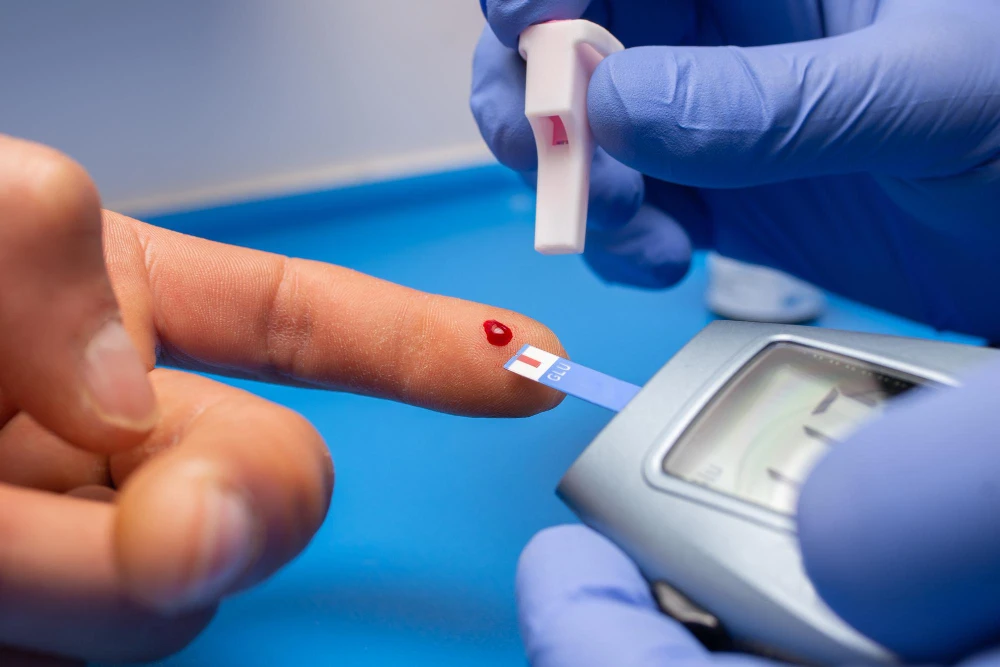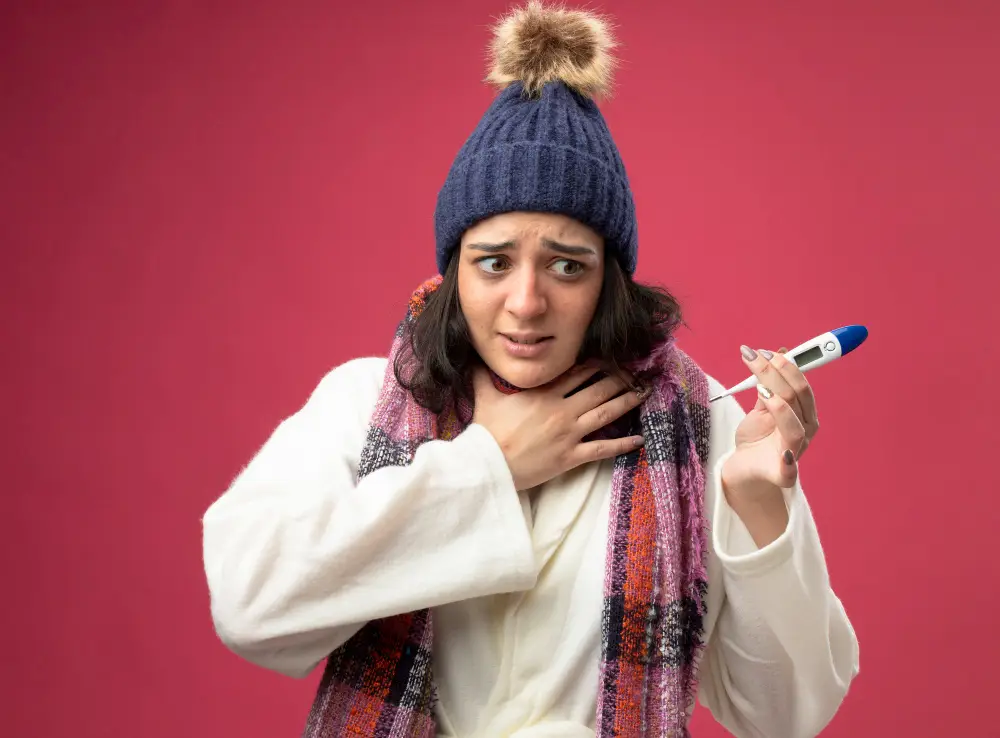
But when you develop a fever, how do you know whether it is seasonal influenza, an H3N2 infection, dengue, or another illness?
These conditions can share similar symptoms, particularly during the early stages. Choosing the right diagnostic test depends on your symptoms, how long you have been unwell, your exposure history, and your doctor's assessment.
SecondMedic offers diagnostic options through Thyrocare, including the H3N2 Plus Influenza Profile and Jaanch Winter Fever Panel Advanced. Understanding what these tests cover can help you discuss appropriate testing with a healthcare professional.
Explore available options through the SecondMedic Lab Test Booking Page.
What Is the Difference Between Winter Fever, Flu, H3N2 and Dengue?
The term "winter fever" describes fever occurring during the winter season; it is not a specific medical diagnosis. Several infections can cause fever, and the symptoms often overlap.
- Seasonal influenza: Influenza is a contagious respiratory illness caused by influenza viruses. Symptoms often begin suddenly and can include fever, chills, cough, sore throat, headache, muscle aches, and fatigue.
- H3N2 influenza: H3N2 is a subtype of influenza A virus. It can cause seasonal flu, with symptoms similar to those caused by other influenza viruses.
- Dengue: Dengue is a mosquito-borne viral infection. Common symptoms include fever, headache, pain behind the eyes, muscle and joint pain, nausea, and sometimes a rash.
- Other fever-causing infections: Malaria, chikungunya, and other infections can also cause fever and body aches. The likelihood of each condition depends on your symptoms, location, travel history, and possible exposure.
Because these illnesses can look similar, symptoms alone may not reliably identify the cause. Medical assessment and appropriate laboratory testing can help clarify the diagnosis.
What Is H3N2 Influenza?
H3N2 is one subtype of influenza A virus that circulates among people and can cause seasonal respiratory illness.
Symptoms may include:
- Sudden fever or chills
- Cough and sore throat
- Runny or blocked nose
- Headache
- Muscle and body aches
- Fatigue and weakness
Not everyone with influenza develops a fever, and symptoms can range from mild to severe. Older adults, young children, pregnant people, and individuals with certain chronic health conditions may be at greater risk of complications.
If you develop flu-like symptoms, a healthcare professional can assess whether influenza testing is appropriate. Testing may be particularly useful when the result could influence treatment or infection-control decisions.
Read more about influenza symptoms and complications from the CDC.
H3N2 and Influenza Testing: What Does the Test Check?
When a doctor suspects influenza, a laboratory test may be used to detect the virus or its genetic material. The type of sample and testing method depend on the specific assay.
SecondMedic lists the H3N2 Plus Influenza Profile by Thyrocare, which includes four listed targets:
- H1N1 Influenza A (pdm09)
- H3N2
- Influenza A
- Influenza B
The profile is intended to assess the listed influenza targets. The exact sample requirements, interpretation, and suitability of the test should be confirmed with the performing laboratory and your healthcare professional.
You can review the package details here: H3N2 Plus Influenza Profile by Thyrocare.
When might influenza testing be useful?
A doctor may consider testing when someone has flu-like symptoms, belongs to a higher-risk group, has severe illness, or needs a diagnosis to guide clinical management.
Testing is not necessary for every person with mild respiratory symptoms. The decision depends on the clinical situation and local medical guidance.
What Is Dengue Fever, and How Is It Different from Flu?
Dengue is a viral infection transmitted through the bite of an infected mosquito. Unlike influenza, which primarily affects the respiratory system, dengue often causes prominent fever, headache, body aches, and sometimes a rash.
Possible symptoms include:
- High fever
- Severe headache
- Pain behind the eyes
- Muscle, joint, or bone pain
- Nausea or vomiting
- Skin rash
Respiratory symptoms such as cough and sore throat are more characteristic of influenza, but symptoms alone cannot reliably distinguish every infection.
Dengue can also become serious. Warning signs may appear as the fever starts to settle, so improvement in temperature does not always mean the illness is over.
Seek urgent medical attention for severe abdominal pain, persistent vomiting, bleeding from the nose or gums, blood in vomit or stool, extreme tiredness, restlessness, or other signs of deterioration.
Read more in the CDC's guide to dengue symptoms and testing.
Which Dengue Tests May Be Recommended?
The appropriate dengue test depends partly on how many days have passed since symptoms began.
- Dengue NS1 antigen: This test can help detect an acute dengue infection, particularly during the earlier phase of illness.
- Dengue IgM antibody: IgM testing can help identify a recent infection as antibodies develop. Its usefulness depends on the timing of the sample.
- Dengue IgG antibody: IgG can indicate previous exposure and may also be present during some current infections. An isolated positive IgG result does not necessarily confirm an acute dengue infection.
A doctor may recommend one or more tests depending on the illness timeline and clinical findings. A complete blood count may also be used to monitor blood cell counts and platelet levels when appropriate.
A platelet count alone cannot confirm or exclude dengue, and a normal early result does not guarantee that the illness will remain mild.
Explore the Jaanch Winter Fever Panel Advanced
When fever has several possible causes, a doctor may recommend a broader diagnostic evaluation instead of testing for just one infection.
The Jaanch Winter Fever Panel Advanced by Thyrocare is listed on SecondMedic with investigations covering several fever-related conditions and general blood markers.
The published package details include:
- Complete haemogram: Measures blood components, including white blood cells, red blood cells, haemoglobin, and platelets.
- Dengue testing: Includes dengue NS1 antigen, IgM, and IgG in the listed package.
- Malaria testing: Includes tests for Plasmodium falciparum and Plasmodium vivax.
- Chikungunya testing: Includes a chikungunya IgM test.
- Inflammatory marker: Includes C-reactive protein (CRP).
- Liver-related measurements: Includes selected liver enzymes and related measurements.
The listed package does not show the same four influenza targets as the H3N2 Plus Influenza Profile. Therefore, do not assume that the winter fever panel diagnoses H3N2 or influenza unless the current package inclusions explicitly confirm it.
You can review the available investigations, price, and booking information on the Jaanch Winter Fever Panel Advanced page.
H3N2 Influenza Profile vs Winter Fever Panel Advanced
Which package is suitable depends on what your doctor is investigating.
| Feature | H3N2 Plus Influenza Profile | Jaanch Winter Fever Panel Advanced |
|---|---|---|
| Main focus | Influenza viruses | Selected fever-related infections and blood markers |
| H3N2 testing | Included in the listed profile | Not listed in the published inclusions |
| Other influenza targets | H1N1, influenza A and influenza B targets listed | Not listed in the published inclusions |
| Dengue tests | Not listed in the published profile | NS1, IgM and IgG listed |
| Malaria testing | Not listed in the published profile | Listed |
| Chikungunya testing | Not listed in the published profile | IgM listed |
| Haemogram | Not listed in the four-target profile | Included |
These are different panels designed to assess different possibilities. Neither is automatically the best choice for every person with fever.
Your doctor may recommend a targeted influenza test, dengue testing, another investigation, or a combination of tests depending on the symptoms and stage of illness.
How Much Do These Fever Tests Cost?
Diagnostic test prices can change with offers, location, and availability.
At the time of checking the SecondMedic listings, the following prices were displayed:
- H3N2 Plus Influenza Profile: ₹3,373.
- Jaanch Winter Fever Panel Advanced: ₹1,925.
These prices are indicative and may change. Confirm the current selling price, included tests, collection availability, and reporting timeline on the relevant product pages before booking.
Use the direct links to check the latest details:
When Should You Get Tested for Fever?
Consider seeking medical advice if your fever is persistent, symptoms are worsening, or you have other concerning symptoms.
Testing may be considered when:
- You have sudden fever with cough, sore throat, and body aches.
- Your doctor suspects influenza or another respiratory infection.
- You have fever with significant headache, eye pain, or body aches and possible dengue exposure.
- Your symptoms suggest malaria or another infection requiring specific testing.
- You belong to a higher-risk group or have an underlying medical condition.
The right test depends on the suspected infection and the timing of the illness. Some tests are more useful early in an infection, while others become informative later.
Do not delay urgent medical care while waiting to book a laboratory test.
Home Sample Collection and Online Booking
Arranging a diagnostic test can be more convenient when home sample collection is available.
Through SecondMedic, you can review listed packages, check availability for your location, and follow the online booking process. Read the preparation instructions carefully, as requirements depend on the selected tests.
Before confirming your appointment:
- Review the complete list of tests included.
- Check the current price and collection availability.
- Confirm the sample type and preparation instructions.
- Ask about the expected report timeline.
- Discuss the report with a qualified healthcare professional.
Visit the SecondMedic Lab Booking Page to explore additional diagnostic options.
Conclusion: Choose the Right Fever Test with SecondMedic
Winter fever, influenza, H3N2, and dengue can share symptoms, but they require different diagnostic approaches. Understanding what each test measures can help you make an informed decision and avoid assuming that one fever panel checks for every infection.
If your symptoms suggest influenza, explore the H3N2 Plus Influenza Profile by Thyrocare. If your doctor is investigating dengue, malaria, chikungunya, or other conditions covered by the panel, review the Jaanch Winter Fever Panel Advanced.
Check the current package inclusions, price, sample collection options, and reporting information before booking. Most importantly, seek timely medical advice if your fever is persistent or you develop warning signs.
Explore diagnostic tests and fever panels at SecondMedic Labs and take an informed step towards understanding your symptoms.
Medical disclaimer: This article is for general educational purposes only and does not replace professional medical advice, diagnosis, or treatment. Test selection and interpretation should be guided by a qualified healthcare professional.