


India is at a digital health crossroads. With smartphone penetration exceeding 800 million, expanding 4G/5G infrastructure, and government support in programs like NDHM, digital health is shifting from a promise to a central pillar of India’s healthcare future.
What Does Digital Health Include?
Digital health covers a broad array:
-
Telemedicine / Teleconsults (video, chat, remote diagnosis)
-
Electronic Health Records (EHRs) & health information systems
-
mHealth (Mobile health apps) - for tracking, reminders, wellness
-
Wearables & IoT devices - smart watches, sensors
-
AI & Data Analytics - diagnostic support, predictive models
-
Digital diagnostics & remote monitoring
Key Trends in India in 2025
-
Telemedicine Growth
Platforms like eSanjeevani, Practo, and SecondMedic are seeing exponential increases in consultations, especially from Tier-2/3 cities.
-
AI in Diagnostics
AI tools are being deployed for X-ray, ECG, and retinal scans. Some healthtech startups in India now offer AI-assisted reading of scans within minutes.
-
Health Apps & Wellness Platforms
Apps like HealthifyMe, GOQii, Cure.fit combine health tracking, teleconsults, diet plans and coaching under one roof.
-
Policy & Interoperability Push
The NDHM (National Digital Health Mission) is pushing for a shared digital infrastructure, health IDs, and standard APIs to make various platforms interoperable.
-
Rural Penetration
Telehealth hubs in PHCs and remote digital outpatient nodes reach patients in districts where specialists aren’t available.
Strengths & Challenges of India’s Digital Health Journey
Strengths:
-
Government backing via NDHM, Ayushman Bharat Digital Health Infrastructure
-
Large mobile userbase and increasing digital literacy
-
Entrepreneurial healthtech ecosystem with venture funding
-
Public telehealth infrastructure (eSanjeevani) as backbone
Challenges:
-
Digital divide: many rural areas still struggle with connectivity or device access
-
Privacy & data protection: need robust legal frameworks and enforcement
-
Integration issues: legacy hospital systems and fragmented data block interoperability
-
Trust and adoption: patients and doctors may still prefer in-person care
-
Regulation for AI tools: ensuring that diagnostic AI is safe, validated, and transparent
How Stakeholders Can Capitalize
-
Hospitals / Clinics: adopt interoperable EHRs, offer blended models (tele + in-person)
-
Healthtech Startups: focus on trust, transparency, and data standards
-
Government & Regulators: accelerate regulation for data protection, telehealth accreditation, AI standards
-
Doctors / Clinicians: train in digital care workflow, asynchronous consults, remote monitoring
-
Patients: use verified apps, keep personal health records, understand telehealth rights
The SecondMedic Edge
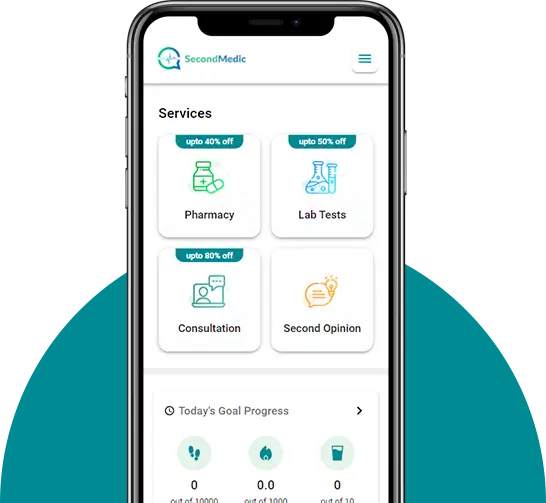
SecondMedic is part of India’s digital health evolution. By combining teleconsultations, diagnostics, pharmacy, and EHR under one user-centric platform - and aligning with NDHM standards - it offers a model for integrated digital care. Patients can chat with doctors, book lab tests, access AI tools, and view records seamlessly.
Conclusion
Digital health India isn’t a distant vision - it’s unfolding today. As infrastructure, policy, and innovation converge, healthcare is becoming more accessible, data-driven and patient-first. Challenges remain, but the pace of growth and public backing show this is more than a trend - it’s the next era of Indian healthcare.
Embrace digital health with care - explore teleconsultations and diagnostic services via SecondMedic today ? https://www.secondmedic.com
Real Data & Useful References
-
NDHM / National Digital Health Mission overview and roadmap
ndhm.gov.in
-
Practo Health Insights 2024 - rise in telemedicine usage
practo.com
-
HealthifyMe & Wellness App Growth Reports
healthifyme.com
-
AI diagnostic healthtech startups in India - e.g., Qure.ai, Niramai
qure.ai
Reports on digital health policies & interoperability in India
thelancet.com