Do you wake up feeling tired even after a full night’s sleep? Do you feel low on energy throughout the day, struggle to concentrate, or find everyday activities more exhausting than usual?
Persistent tiredness is easy to blame on a busy schedule, work pressure or lack of sleep. But sometimes, fatigue may be linked to an underlying health issue, such as iron deficiency, anaemia, thyroid imbalance, vitamin deficiency or blood sugar problems.
The important thing is not to guess the cause or take supplements without knowing what your body needs. A doctor may recommend specific blood tests based on your symptoms, medical history, diet and lifestyle.
In this guide, we explain seven blood tests that may help investigate persistent tiredness, what they check, and how to decide which health checkup package may be suitable.
Why am I always tired?
Fatigue is not a disease on its own. It is a symptom that can have several possible causes.
Common reasons include:
- Not getting enough quality sleep
- Iron deficiency or anaemia
- Low vitamin B12 or vitamin D levels
- Thyroid hormone imbalance
- Diabetes or fluctuating blood sugar
- Kidney or liver problems
- Certain medicines, infections or chronic health conditions
- Stress, anxiety or depression
Sometimes, more than one factor contributes to tiredness. For example, someone may have poor sleep as well as low iron levels.
If tiredness is persistent, unexplained or affecting your daily activities, speak with a healthcare professional rather than relying on a single test or self-diagnosis.
7 blood tests that may help identify the cause of fatigue
1. Complete Blood Count (CBC)
A Complete Blood Count, commonly called CBC or haemogram, measures different components of your blood.
It typically checks:
- Haemoglobin
- Red blood cell count
- White blood cell count
- Platelet count
- Haematocrit
- Red blood cell indices, such as MCV and MCH
Why it may matter when you feel tired: Low haemoglobin can indicate anaemia, which may cause fatigue, weakness, dizziness, breathlessness or reduced exercise tolerance.
CBC can also provide clues about certain infections and other blood-related conditions. However, a normal CBC does not rule out every possible cause of tiredness or all forms of iron deficiency.
Who may need it? People with persistent fatigue, weakness, dizziness, pale skin or suspected anaemia may be advised to have a CBC.
2. Iron Profile and Ferritin Test
Iron is essential for producing haemoglobin, the protein that helps red blood cells carry oxygen around the body.
When iron stores become low, you may experience:
- Persistent tiredness
- Weakness
- Reduced stamina
- Hair shedding
- Headaches
- Difficulty concentrating
- Restless legs in some people
An iron profile may include serum iron, Total Iron Binding Capacity (TIBC), Unsaturated Iron Binding Capacity (UIBC) and transferrin saturation. Ferritin is a useful marker of the body's stored iron.
Why it may matter when you feel tired: Iron deficiency can occur even before anaemia becomes obvious on a CBC. Ferritin and other iron markers may help identify depleted iron stores.
Who may need it? People with heavy menstrual bleeding, low-iron diets, pregnancy, frequent blood donation, gastrointestinal blood loss or suspected iron deficiency may need testing based on medical advice.
Do not start iron supplements without understanding the cause of a low result. Excess iron can also be harmful.
3. Thyroid Function Test (TSH, T3 and T4)
The thyroid gland helps regulate metabolism, energy use and several important body functions.
An underactive thyroid, known as hypothyroidism, can be associated with:
- Tiredness and low energy
- Feeling unusually cold
- Unexplained weight gain
- Constipation
- Dry skin
- Hair changes
- Difficulty concentrating
A thyroid screening test commonly includes TSH, and may include T3 and T4.
Why it may matter when you feel tired: An underactive thyroid can contribute to fatigue and other symptoms. TSH is commonly used as an initial thyroid assessment, while additional tests may be needed depending on the result and clinical situation.
Who may need it? People with ongoing fatigue alongside unexplained weight changes, cold sensitivity, constipation or other thyroid-related symptoms may be advised to get a thyroid test.
A thyroid result should be interpreted in context. Symptoms alone cannot confirm a thyroid disorder.
4. Vitamin B12 Test
Vitamin B12 supports healthy nerve function and red blood cell production.
Low B12 levels may be associated with:
- Tiredness and weakness
- Tingling or numbness in hands and feet
- Memory or concentration difficulties
- Mouth ulcers or a sore tongue
- Certain types of anaemia
Why it may matter when you feel tired: Vitamin B12 deficiency can affect both blood cells and the nervous system. Some people may experience neurological symptoms even when anaemia is not obvious.
Who may need it? People following strict vegetarian or vegan diets, older adults, people with certain digestive conditions, or those taking medicines that can affect B12 absorption may have a higher risk.
A doctor may recommend additional tests if the B12 result is borderline or does not match the symptoms.
5. Vitamin D Test
Vitamin D helps the body absorb calcium and supports bone and muscle health.
Low vitamin D levels may be associated with:
- Muscle weakness
- Bone discomfort
- Muscle aches
- Reduced physical strength
Some people with low vitamin D report tiredness, although fatigue has many possible causes and cannot be attributed to vitamin D alone.
The commonly used test is 25-hydroxy vitamin D (25-OH Vitamin D).
Who may need it? Testing may be considered for people with limited sun exposure, certain dietary or absorption issues, bone discomfort, muscle weakness or other clinical risk factors.
Vitamin D supplements should be taken at an appropriate dose. Very high doses can be harmful.
6. Blood Sugar Test (Fasting Glucose and HbA1c)
Blood sugar problems can sometimes contribute to tiredness.
Diabetes may cause symptoms such as:
- Increased thirst
- Frequent urination
- Unexplained weight loss
- Blurred vision
- Increased hunger
- Fatigue
Two commonly used tests are:
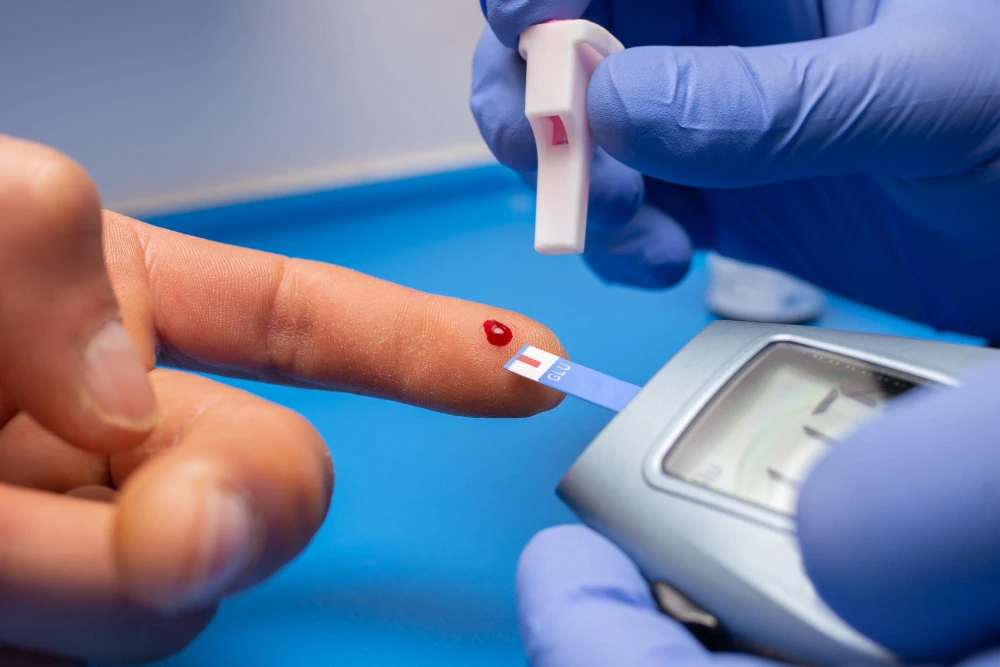
- Fasting Blood Glucose: Measures blood glucose after a period without food, usually at least eight hours.
- HbA1c: Estimates average blood glucose over approximately the previous two to three months. It generally does not require fasting.
These tests help assess diabetes risk and blood sugar control. A doctor may recommend additional testing or repeat testing to confirm a diagnosis. Read more about fasting, PP and HbA1c sugar tests.
Who may need it? People with fatigue alongside increased thirst, frequent urination, a family history of diabetes or other risk factors may be advised to get screened.
7. Kidney and Liver Function Tests
The kidneys and liver perform important functions that help maintain the body's overall health.
Kidney function tests may include creatinine, blood urea nitrogen (BUN) and related markers. Liver function tests may include ALT, AST, bilirubin, alkaline phosphatase and proteins.
Why they may matter when you feel tired: Some kidney and liver conditions can cause fatigue, although tiredness alone does not indicate that either organ is affected.
These tests can help a doctor investigate possible underlying problems when symptoms, examination or medical history suggest a need.
Who may need them? Testing may be considered for people with persistent unexplained fatigue, relevant medical conditions, certain medication use or other symptoms that warrant investigation.
Which blood tests should you choose?
Not everyone who feels tired needs all seven tests. The right combination depends on your symptoms, health history and a doctor's assessment.
| Test | What it helps assess |
|---|---|
| CBC | Anaemia and blood cell changes |
| Iron profile and ferritin | Iron levels and stored iron |
| Thyroid profile | Thyroid function |
| Vitamin B12 | Vitamin B12 status |
| Vitamin D | Vitamin D status |
| Fasting glucose and HbA1c | Blood sugar and diabetes screening |
| Kidney and liver function | Markers of kidney and liver health |
A doctor may start with a smaller group of tests and recommend additional investigations based on the findings.
SecondMedic health packages for people experiencing tiredness
If you are considering a preventive health checkup, SecondMedic offers packages that cover different health markers. Choose based on the tests included, rather than simply selecting the package with the highest number of parameters.
1. Healthy 2026 Package – ₹1,539
A broader preventive health screening option for people who want to review several aspects of their health.
The Healthy 2026 package listing includes categories such as:
- Complete blood count
- Iron deficiency markers
- Thyroid profile
- Vitamin B12, vitamin D and folate
- Diabetes markers
- Liver and kidney markers
- Lipid profile
- Other metabolic and health markers
This type of package may be worth discussing with a doctor if you want a broader health assessment rather than checking only one suspected deficiency.
View Healthy 2026 Package – SecondMedic
2. Iron Deficiency Profile Advanced – ₹880
Iron deficiency can be one possible contributor to tiredness, particularly when iron stores are low.
An iron-focused package may be useful when a doctor suspects low iron levels or wants to investigate symptoms such as weakness, reduced stamina or hair shedding.
The current listing includes ferritin, serum iron, TIBC, UIBC, transferrin and transferrin saturation. Check the current test list before booking to confirm it covers the iron markers you need.
View Iron Deficiency Profile Advanced – SecondMedic
3. Vitamin D + B12 Combo – ₹1,049
This package combines two commonly discussed vitamin tests:
- Vitamin B12
- 25-OH Vitamin D (Total)
It may be useful when a doctor recommends checking both vitamin levels, particularly if you have relevant dietary, lifestyle or medical risk factors.
View Vitamin D Total and B12 Combo – SecondMedic
Prices are indicative and may change. Confirm the current price, test inclusions, preparation instructions and availability for your location on the booking page.
Healthy 2026 vs Iron Deficiency vs Vitamin D + B12: Which is right?
| Package | Listed price | Best suited for discussing |
|---|---|---|
| Healthy 2026 | ₹1,539 | Broader preventive health screening |
| Iron Deficiency Profile Advanced | ₹880 | Investigating possible iron deficiency |
| Vitamin D + B12 Combo | ₹1,049 | Checking two vitamin levels |
How to choose:
- If you want a broader preventive screening, discuss the Healthy 2026 package with your doctor.
- If iron deficiency is suspected, ask whether an iron profile and ferritin test are appropriate.
- If vitamin deficiencies are a concern, the Vitamin D + B12 combo checks both markers.
These packages are not interchangeable. A broad package does not automatically replace a specific investigation recommended by your doctor.
When should you see a doctor for constant tiredness?
Consider seeking medical advice if fatigue:
- Continues for several weeks without a clear explanation
- Interferes with work, exercise or everyday activities
- Occurs alongside unexplained weight changes
- Comes with persistent dizziness or weakness
- Is accompanied by unusual thirst or frequent urination
- Occurs with heavy menstrual bleeding or other possible blood loss
- Continues despite improving sleep and daily habits
Seek urgent medical attention if tiredness occurs with chest pain, severe breathlessness, fainting, confusion or sudden severe weakness.
Remember that fatigue can also be related to sleep apnoea, infections, medication side effects, mental health concerns and other conditions that may not be identified through routine blood tests alone.
5 everyday habits that may help improve energy
Alongside appropriate medical evaluation, a few everyday habits can support general wellbeing:
- Maintain a regular sleep schedule: Aim for consistent sleep and wake times.
- Eat balanced meals: Include protein, vegetables, whole grains and appropriate sources of iron and vitamins.
- Stay hydrated: Drink enough water throughout the day.
- Stay physically active: Choose activity suited to your fitness level and health condition.
- Manage stress: Take breaks, maintain social connections and seek professional support when needed.
These habits can support energy levels, but they are not a substitute for investigating persistent or unexplained fatigue.
Book a health checkup with SecondMedic
Constant tiredness should not be ignored, especially when it continues despite adequate rest.
The right blood tests can help your doctor investigate possible causes such as anaemia, iron deficiency, thyroid imbalance, vitamin deficiencies and blood sugar problems.
SecondMedic makes it convenient to explore lab tests and health packages with home sample collection options and digital reports.
Explore SecondMedic lab tests and health packages and choose the tests that match your healthcare needs.
Medical disclaimer: This article is for general educational purposes only. It does not provide a diagnosis or replace medical advice. Consult a qualified healthcare professional before selecting tests, interpreting results or starting supplements or treatment.