Feeling tired, experiencing body aches or struggling with concentration? These symptoms are common and can sometimes be linked to nutritional deficiencies.
Two nutrients that deserve attention are Vitamin D and Vitamin B12. Both play important roles in maintaining health, but they perform different functions in the body. Vitamin D supports bone health, calcium absorption and muscle function, while Vitamin B12 is essential for red blood cell formation and normal nerve function.
In India, factors such as dietary habits, limited outdoor activity, indoor work routines and differences in sunlight exposure can influence vitamin levels. Even people who live in sunny cities may have low vitamin D levels.
But symptoms alone cannot confirm a deficiency. A blood test, interpreted alongside your medical history and symptoms, can help a healthcare professional understand whether testing or treatment is needed.
In this guide, we explain the symptoms of Vitamin D and B12 deficiency, why they may occur, how the tests work and which SecondMedic testing option you can explore.
Why are Vitamin D and B12 important?
Although both are called vitamins, they have different responsibilities.
Vitamin D helps the body absorb calcium and phosphorus. It supports normal bone development, bone strength and muscle function. The body can produce Vitamin D when skin is exposed to sunlight, and it can also come from certain foods and supplements.
Vitamin B12, also known as cobalamin, supports the formation of healthy red blood cells, DNA production and normal functioning of the nervous system. It is naturally found mainly in animal-based foods and is also available in fortified foods and supplements.
A deficiency in either vitamin can affect health. However, having similar symptoms does not mean both deficiencies are present.
1. Vitamin D deficiency in India: Symptoms you should know
Vitamin D deficiency can develop when the body does not get or absorb enough Vitamin D over time.
Some people have no noticeable symptoms, while others may experience problems related to their bones and muscles.
Common symptoms of low Vitamin D
1. Bone pain or discomfort
Low Vitamin D can affect calcium absorption and bone health. Some people may experience bone discomfort or tenderness.
2. Muscle weakness
Vitamin D plays a role in normal muscle function. Low levels may be associated with muscle weakness and reduced physical strength.
3. Frequent muscle aches
Some people with low Vitamin D report muscle discomfort or aches. However, muscle pain can have many other causes.
4. Tiredness and low energy
Fatigue is frequently reported by people with low Vitamin D, but it is not specific to this deficiency. Sleep problems, anaemia, thyroid conditions and other health issues can also cause tiredness.
5. Bone health problems
Severe or prolonged Vitamin D deficiency can contribute to osteomalacia in adults, a condition in which bones become soft. In children, severe deficiency can cause rickets.
Why might Vitamin D levels be low in India?
India receives substantial sunlight, but that does not mean everyone produces enough Vitamin D.
Possible contributing factors include:
- Spending most of the day indoors
- Working long hours in offices or enclosed spaces
- Limited exposure to sunlight
- Covering most of the skin when outdoors
- Darker skin pigmentation, which can reduce Vitamin D production from a given amount of sunlight
- Limited dietary intake of Vitamin D
- Certain digestive conditions that affect nutrient absorption
- Medical conditions affecting Vitamin D metabolism
Seasonal changes may also influence sunlight exposure and outdoor routines. During winter, some people spend less time outdoors or have less opportunity for direct sunlight exposure. The effect varies by location, lifestyle and individual circumstances.
Important: You cannot determine your Vitamin D level simply by looking at how much sunlight you receive.
2. Vitamin B12 deficiency: Symptoms that should not be ignored
Vitamin B12 is essential for healthy blood cells and the nervous system. Low levels can develop when dietary intake is insufficient or when the body cannot absorb the vitamin properly.
Unlike some other nutritional deficiencies, B12 deficiency can affect the nervous system and may cause symptoms even before obvious anaemia develops.
Common symptoms of low Vitamin B12
1. Persistent tiredness
Vitamin B12 supports normal red blood cell production. A deficiency can contribute to megaloblastic anaemia, which may cause fatigue and weakness.
2. Tingling in hands and feet
A B12 deficiency can affect nerves. Some people experience pins and needles, numbness or unusual sensations in their hands and feet.
3. Difficulty concentrating
Some people experience memory problems, difficulty concentrating or other cognitive symptoms.
4. Weakness and dizziness
When B12 deficiency causes anaemia, it may be associated with weakness, dizziness and reduced stamina.
5. Sore tongue or mouth ulcers
A smooth, sore or inflamed tongue and mouth-related symptoms can occur in some people with B12 deficiency.
6. Balance or walking difficulties
More significant nerve-related effects may include problems with balance, coordination or walking.
Nerve-related symptoms should be taken seriously. Delayed treatment of B12 deficiency can sometimes result in lasting neurological problems.
Who may be at higher risk of Vitamin B12 deficiency?
Certain people may have a higher risk:
- People following strict vegetarian or vegan diets without reliable fortified foods or supplementation
- Older adults
- People with certain stomach or intestinal conditions
- People who have undergone some gastrointestinal surgeries
- People taking certain long-term medicines that can affect B12 absorption
- People with conditions that interfere with nutrient absorption
A vegetarian diet does not automatically mean someone has a B12 deficiency. However, because natural food sources are mainly animal-based, people who avoid these foods need to pay attention to reliable B12 sources.
3. Vitamin D vs Vitamin B12: What is the difference?
Both deficiencies can be associated with fatigue and weakness, but their functions and possible complications differ.
| Feature | Vitamin D | Vitamin B12 |
|---|---|---|
| Main role | Calcium absorption, bone and muscle health | Red blood cell formation and nerve function |
| Common deficiency concerns | Bone discomfort and muscle weakness | Anaemia and nerve-related symptoms |
| Natural sources | Sunlight, oily fish, egg yolks and fortified foods | Meat, fish, eggs, dairy and fortified foods |
| Common blood test | 25-OH Vitamin D | Vitamin B12 |
| Higher-risk groups | People with limited sunlight exposure or absorption problems | People with low dietary intake or absorption problems |
One vitamin cannot replace the other. A person may have low Vitamin D, low B12, both deficiencies or neither.
4. Which blood tests check Vitamin D and B12 deficiency?
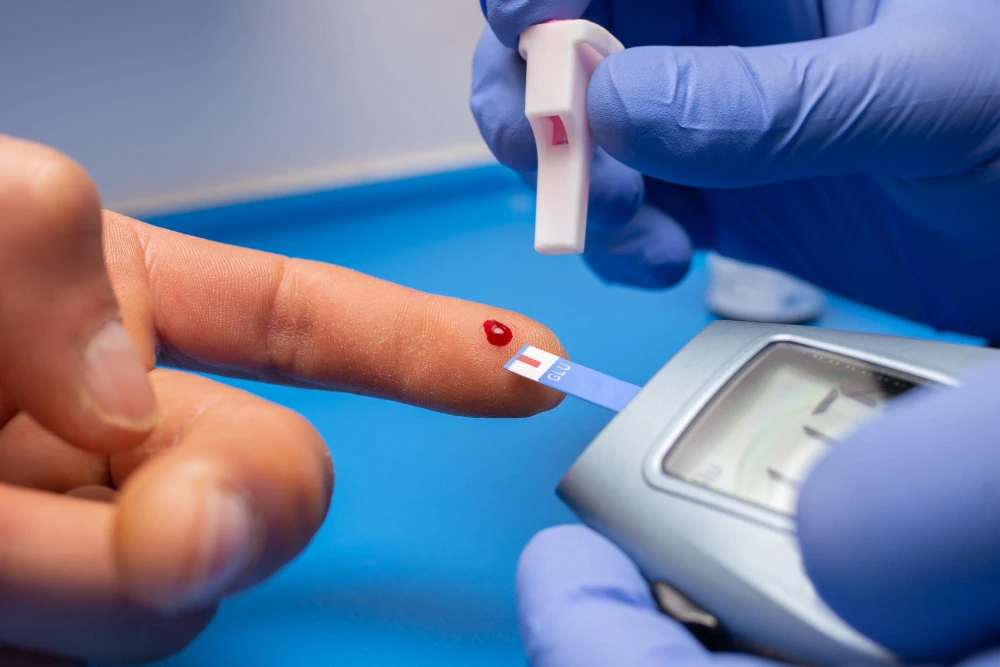
A blood test is the most practical way to assess these vitamin levels.
Vitamin D test (25-OH Vitamin D Total)
The commonly used blood test for assessing Vitamin D status measures 25-hydroxyvitamin D, often written as 25-OH Vitamin D.
It helps a healthcare professional assess the amount of circulating Vitamin D available in the body.
The result is generally reported in ng/mL or nmol/L. Laboratories and clinical guidelines may use different interpretation categories, so your result should be reviewed using the reference range and clinical context provided. Read more about vitamin D normal levels.
Testing may be considered when someone has relevant bone or muscle symptoms, risk factors for deficiency, certain medical conditions or a clinical reason to check Vitamin D status.
Vitamin B12 blood test
A Vitamin B12 test measures the level of B12 in the blood.
If the result is borderline or does not match the symptoms, a doctor may recommend additional investigations. Depending on the situation, these may include a complete blood count, methylmalonic acid or other tests to assess possible deficiency.
A normal-looking blood count does not always rule out B12-related neurological problems.
Should you test both vitamins together?
If a healthcare professional recommends checking both Vitamin D and B12, a combined package can be a convenient option.
However, not everyone needs both tests. Your symptoms, diet, medical history and risk factors should guide the decision.
5. Vitamin D and B12 tests on SecondMedic
SecondMedic offers individual and combined vitamin testing options that you can compare before booking.
Option 1: Vitamin D Profile TW – ₹569
If you only need to assess Vitamin D status, you can explore the individual Vitamin D test.
- Helps assess Vitamin D status
- Useful when a doctor recommends checking Vitamin D specifically
- A focused option if B12 testing is not required
View Vitamin D Profile TW on SecondMedic
Check the live product page for the exact test description, current price and sample preparation instructions before booking.
Option 2: Vitamin D Total and B12 Combo – ₹1,049
If your doctor recommends checking both vitamins, the combined package includes:
- Vitamin B12
- 25-OH Vitamin D (Total)
The current SecondMedic listing shows:
- Listed price: ₹1,049
- Blood sample
- No fasting required according to the current listing
- Home sample collection available
- Digital reports within 48–72 hours
Book Vitamin D Total and B12 Combo on SecondMedic
Prices, collection availability and report timelines can change. Confirm the latest details on the booking page.
Which package should you choose?
| Your requirement | Option to explore |
|---|---|
| Only Vitamin D testing is recommended | Vitamin D Profile TW |
| Both Vitamin D and B12 testing are recommended | Vitamin D Total and B12 Combo |
| You have persistent symptoms but are unsure which test is appropriate | Consult a healthcare professional first |
The combined package is not automatically necessary for everyone. Choose based on your healthcare needs rather than the number of tests included.
6. How can you maintain healthy Vitamin D and B12 levels?
Testing can help identify a possible deficiency, but maintaining good nutritional health also involves everyday habits.
Ways to support Vitamin D levels
- Spend sensible time outdoors, while avoiding sunburn.
- Include suitable food sources such as oily fish, egg yolks and Vitamin D-fortified foods.
- Discuss supplementation with a healthcare professional if you have a deficiency or relevant risk factors.
- Follow up on test results when treatment is recommended.
Sunlight exposure needs vary with skin tone, location, season, time of day and clothing. There is no single sunlight schedule that is suitable for everyone.
Ways to support Vitamin B12 levels
- Include suitable sources such as dairy products, eggs, fish and meat if they are part of your diet.
- If you follow a vegetarian or vegan diet, consider reliable fortified foods or supplementation after appropriate advice.
- Discuss absorption-related concerns with your doctor if you have digestive conditions or take medicines that may affect B12 levels.
- Do not ignore tingling, numbness or balance problems.
If a deficiency is confirmed, food changes alone may not be sufficient. The appropriate treatment depends on the severity and underlying cause.
7. When should you consult a doctor?
Consider medical advice if you experience:
- Persistent fatigue without an obvious explanation
- Repeated muscle weakness or bone discomfort
- Tingling or numbness in your hands or feet
- Unexplained dizziness or weakness
- Difficulty concentrating alongside other symptoms
- A history of digestive or absorption problems
- Symptoms that continue despite changes in diet and lifestyle
Seek prompt medical assessment for new or worsening numbness, walking difficulties or balance problems.
Do not begin high-dose Vitamin D or B12 supplements just because you suspect a deficiency. Excessive Vitamin D intake can cause harmful calcium levels, and B12 treatment may need to be tailored to the reason for deficiency.
Check Your Vitamin Levels with SecondMedic
Vitamin D and B12 support different but important functions in the body. Low levels may contribute to health problems, but symptoms such as fatigue, weakness and body aches can have several possible causes.
If your healthcare professional recommends testing, compare the individual Vitamin D Profile TW with the combined Vitamin D and B12 package.
Explore the available options on SecondMedic Lab Tests and choose the test that matches your healthcare needs.
Medical disclaimer: This article is for general educational purposes only. It does not diagnose vitamin deficiency or replace medical advice. Consult a qualified healthcare professional for test recommendations, interpretation of results and treatment decisions.