Have you ever enjoyed a plate of chole bhature or rajma chawal, only to experience bloating, stomach discomfort or excessive gas a few hours later?
You are not alone! Chana (chickpeas) and rajma (kidney beans) are popular Indian foods packed with protein, fibre and essential nutrients. However, they can also cause gas and bloating, especially in people who are not used to eating high-fibre foods.
But why does this happen? Are chana and rajma difficult to digest? Should you stop eating them if you frequently experience gas?
The good news is that you usually do not need to give up these nutritious foods. Understanding why they cause gas and following a few simple cooking and eating habits can make them easier to digest.
Let's understand what happens inside your stomach.
Why Do Chana and Rajma Cause Gas?
The main reason chana and rajma cause gas is that they contain certain carbohydrates called oligosaccharides, particularly raffinose and stachyose.
Our small intestine does not produce enough of the enzyme required to break down these carbohydrates completely.
As a result, they travel into the large intestine, where gut bacteria ferment them. This fermentation produces gases such as hydrogen, carbon dioxide and, in some people, methane.
This can lead to:
- Excessive farting.
- Stomach bloating.
- A feeling of fullness.
- Abdominal discomfort.
- Stomach rumbling.
- Sometimes mild abdominal cramps.
Another reason is their high fibre content. Fibre is important for digestive health, but suddenly increasing fibre intake can cause temporary gas and bloating.
Are Chana and Rajma Difficult to Digest?
Not necessarily.
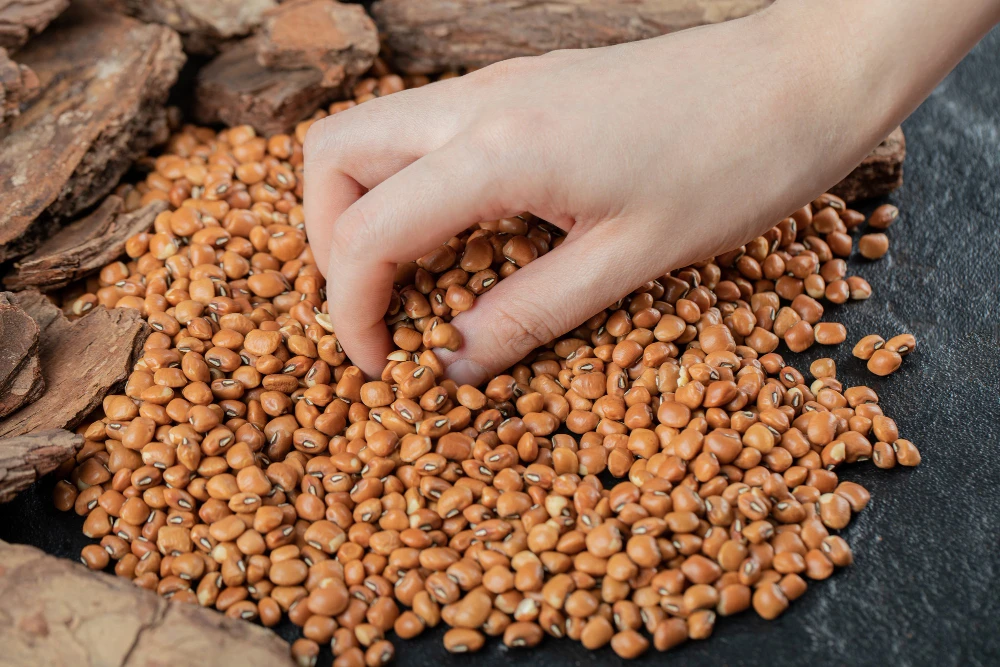
Chana and rajma are nutritious foods that provide plant-based protein, dietary fibre, iron, folate, potassium and other essential nutrients.
However, digestion depends on several factors, including:
- How much you eat.
- How frequently you consume beans and chickpeas.
- Whether they are properly soaked and cooked.
- Your gut microbiome.
- Your individual digestive sensitivity.
People who regularly eat legumes may gradually become more comfortable digesting them as their gut bacteria adapt.
Therefore, occasional gas after eating chana or rajma does not automatically mean you have a digestive problem.
Why Does Rajma Cause More Gas for Some People?
Rajma contains fermentable carbohydrates and dietary fibre, which can contribute to gas production.
Some people experience more bloating after rajma than after other beans because the carbohydrate composition, serving size and preparation methods differ.
Undercooked kidney beans are also a separate concern. Raw or improperly cooked kidney beans contain a natural toxin called phytohaemagglutinin, which can cause severe nausea, vomiting and diarrhoea.
This is why proper soaking and boiling are essential when preparing dried kidney beans.
7 Effective Ways to Prevent Gas After Eating Chana and Rajma
You do not have to remove chana and rajma from your diet. Try these simple kitchen tips to make them easier to tolerate.
1. Soak Them Overnight
One of the easiest ways to prepare dried chickpeas and kidney beans is to soak them in plenty of water for approximately 8–12 hours.
Soaking helps soften the beans and allows some water-soluble fermentable carbohydrates to leach into the soaking water.
Always discard the soaking water and rinse the beans thoroughly before cooking.
2. Cook Them Properly
Undercooked beans can be difficult to digest and may cause discomfort.
For rajma, proper boiling is particularly important for food safety.
- Soak dried rajma overnight.
- Drain and rinse thoroughly.
- Boil in fresh water for at least 30 minutes.
- Continue cooking until completely soft and thoroughly cooked.
A pressure cooker can make the process easier, provided the beans are fully cooked.
Never cook kidney beans directly from their dried state in a slow cooker without first boiling them properly.
3. Start With Smaller Portions
If you rarely eat legumes, avoid consuming a large bowl of chana or rajma at once.
Start with a small portion and gradually increase the quantity as your digestive system adjusts.
Eating smaller portions can help reduce sudden digestive discomfort.
4. Add Digestive Spices
Indian kitchens commonly use spices such as:
- Ajwain (carom seeds).
- Jeera (cumin).
- Hing (asafoetida).
- Ginger.
These ingredients add flavour and are traditionally used in bean preparations.
However, scientific evidence that these spices reliably prevent bean-related gas is limited. They should not be considered a guaranteed treatment.
5. Chew Your Food Properly
Eating too quickly can increase the amount of air you swallow, which may contribute to bloating.
Take your time, chew thoroughly and avoid rushing through meals.
6. Avoid Heavy Meals
Combining large portions of rajma or chana with excessive oil, butter, fried foods and heavy gravies may make you feel uncomfortably full.
Choose moderate portions and simpler preparations.
7. Drink Enough Water
Fibre needs adequate fluid to move comfortably through the digestive system.
Drink water regularly throughout the day, especially when increasing your fibre intake.
Is It Better to Eat Black Chana, White Chana or Rajma?
All three can be part of a healthy diet, but their nutritional composition and individual digestibility differ.
| Food | Main nutritional benefits |
|---|---|
| Black chana | Plant protein, fibre and iron |
| White chana | Protein, fibre and folate |
| Rajma | Plant protein, fibre, potassium and folate |
There is no universally best option for people with gas. Your tolerance, preparation method and portion size matter more.
If one type consistently causes discomfort, try a smaller portion of another variety and observe how your body responds.
When Is Gas After Eating Chana or Rajma a Health Concern?
Occasional gas and bloating after eating legumes are generally common. However, persistent digestive symptoms should not be ignored.
Consult a doctor if you experience:
- Frequent or severe abdominal pain.
- Persistent bloating that does not improve.
- Long-lasting diarrhoea or constipation.
- Unexplained weight loss.
- Blood in your stool.
- Repeated vomiting.
- Changes in bowel habits that continue over time.
These symptoms may be associated with conditions such as irritable bowel syndrome (IBS), food intolerance or other digestive disorders.
Seek urgent medical attention if you experience severe abdominal pain, persistent vomiting, or other concerning symptoms.
Final Thoughts
Chana and rajma are nutritious parts of an Indian diet, and experiencing gas after eating them does not mean you need to stop consuming them.
The secret is to prepare them correctly, soak dried beans, cook them thoroughly, start with smaller portions and gradually increase your fibre intake.
Pay attention to how your body responds. If bloating, abdominal pain or other digestive symptoms happen frequently, consult a healthcare professional to identify the underlying cause.
Take care of your digestive health with SecondMedic. Explore reliable health information and connect with healthcare professionals to make informed decisions about your well-being.
Medical disclaimer: This article is intended for general educational purposes only and should not replace professional medical advice, diagnosis or treatment.