


Yes, a knee injury can cause ankle and foot swelling. Swelling from the injury, together with resting or sitting with the leg down and moving it less, can let fluid collect around the ankle and foot. But new swelling in one calf or ankle with pain, warmth or redness can be a blood clot (DVT) and needs urgent medical care.
Understanding the Anatomy of the Knee and Ankle
Before we explore the relationship between knee and ankle injuries, it's essential to understand the basic anatomy of these joints. The knee is a complex joint consisting of bones, ligaments, tendons, and cartilage, while the ankle is a joint connecting the foot to the leg. Both joints are crucial for mobility and stability.
Common Injuries to the Knee
Common knee injuries include sprains and strains, torn ligaments (such as the anterior cruciate ligament, or ACL), meniscus or cartilage tears, and a dislocated kneecap. They often cause pain and discomfort, can significantly affect how the knee works, and may lead to swelling that spreads down to the ankle.
Ankle Swelling After a Knee Injury
The phenomenon of ankle swelling after knee injury is not uncommon. Many individuals who have experienced knee injuries report this side effect. But why does this happen?
The Connection Between Knee and Ankle Swelling
The connection between knee and ankle swelling is often rooted in the interdependence of joints and the body's circulatory system. When a knee injury occurs, inflammation and fluids can accumulate not only in the knee but also in the areas below it, including the ankle. Sitting or standing in the same position for a long time, which is common while an injured knee heals, can add to this fluid buildup.
Symptoms of Knee Injury Causing Ankle Swelling
To better understand whether your knee injury is causing ankle swelling, it's essential to recognize the associated symptoms. These may include:
-
Swelling in the knee joint
-
Pain and tenderness in the knee
-
Limited range of motion
-
Ankle swelling
-
Discomfort while walking
Diagnosing Knee and Ankle Swelling
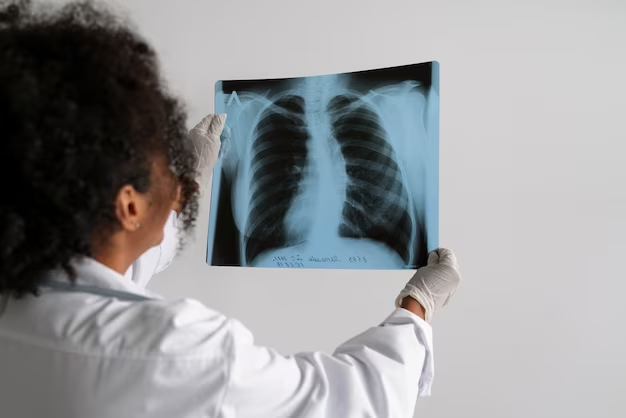
If you suspect that your knee injury is leading to ankle swelling, it's crucial to seek a proper diagnosis. Your healthcare provider will conduct a physical examination, and in some cases, imaging tests such as an X-ray or MRI scan may be required.
Immediate Care and First Aid
Providing immediate care for both your knee and ankle is vital. Rest, ice, compression, and elevation (RICE) can help reduce swelling and alleviate pain. Wrapping the knee and ankle with elastic bandages may provide added support.
Medical Treatment for Knee and Ankle Swelling
In some cases, knee and ankle swelling may require medical intervention. Your healthcare provider may prescribe anti-inflammatory medication or recommend aspiration to remove excess fluid. Severe cases may necessitate surgery.
Rehabilitation and Physical Therapy
After the initial treatment, rehabilitation and physical therapy are essential for a complete recovery. These programs can help restore the strength and flexibility of the knee and ankle, reducing the chances of future injuries.
Preventing Knee and Ankle Injuries
Prevention is always better than cure. To reduce the risk of knee and ankle injuries, it's essential to maintain a healthy lifestyle, including regular exercise, proper footwear, and the use of protective gear during sports or physical activities.
When to Seek Professional Help
If your knee and ankle swelling persist or worsen, it's crucial to seek professional medical advice, either in person or through an online doctor consultation with an orthopaedic specialist. Only a healthcare provider can determine the underlying cause and provide the appropriate treatment.
Get medical help urgently if:
- your knee is very painful, badly swollen or has changed shape
- you cannot move your knee or put any weight on it
- your knee locks or gives way
- you have a high temperature, or the knee, calf or ankle is red, hot or warm to touch, which can be a sign of infection
- one calf or leg becomes swollen and painful (throbbing), with red or darkened skin, which can be a sign of a blood clot (deep vein thrombosis, DVT)
Call an ambulance or go to the emergency department straight away if leg pain and swelling come with shortness of breath or chest pain, as a clot may have travelled to the lungs.
Can a Torn Ligament in the Knee Cause Ankle Swelling?
Yes, a torn ligament in the knee can cause ankle swelling. When a ligament is injured, it can lead to significant inflammation and fluid buildup, which can extend down to the ankle. If you suspect a ligament tear (for example, the knee feels unstable, gives way, or you heard a pop at the time of injury), consult a healthcare provider promptly.
Conclusion
In conclusion, if you've injured your knee and now your foot or ankle is swelling, the two are often linked. Knee injuries can lead to ankle swelling due to inflammation and fluid collecting lower down the leg. However, swelling in one leg after an injury can also be caused by a blood clot, so it's essential to seek proper medical care, watch for the warning signs above and follow rehabilitation recommendations for a full recovery.