

Losing more hair than usual is one of the most common health worries among Indian men, and it often starts in the twenties or thirties. Some hair fall is genetic, but a large share is linked to things a blood test can find and treat: low iron stores, thyroid problems, vitamin deficiencies, stress hormones and inflammation. This guide explains what causes hair fall in men, what the Men's Hair Fall Screening Advanced test checks, what it costs, how to prepare, and when it makes sense to get tested.
Why do men lose hair?
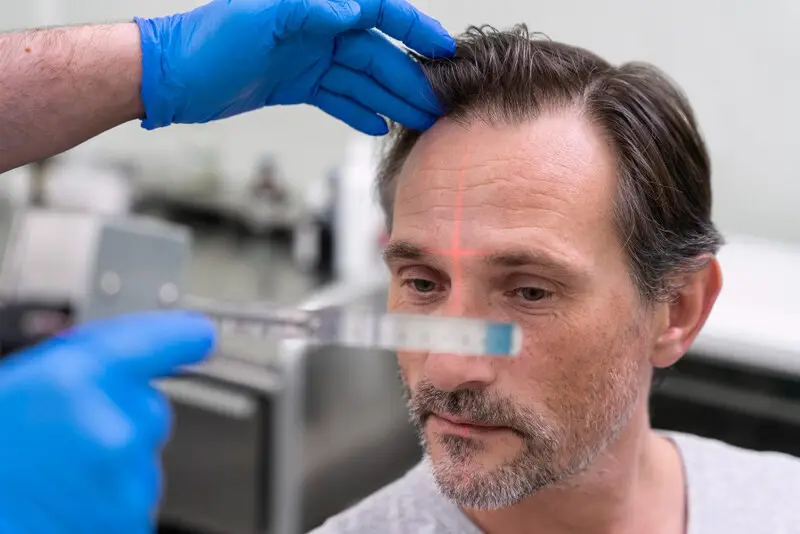
Hair grows in cycles, and losing 50 to 100 hairs a day is normal. Hair fall becomes a concern when you notice thinning at the crown or temples, a widening parting, or hair coming out in clumps. The common causes are:
- Male pattern hair loss (androgenetic alopecia). The most common cause. It is largely genetic and driven by dihydrotestosterone (DHT), a hormone made from testosterone that shrinks hair follicles in men who are sensitive to it.
- Low iron stores. Low ferritin, the body's iron reserve, is linked to increased shedding even when haemoglobin is normal.
- Thyroid imbalance. Both an underactive and an overactive thyroid can cause diffuse hair thinning.
- Vitamin and mineral deficiencies. Low vitamin D, vitamin B12 and zinc are common in India and are associated with hair fall.
- Stress. Physical or emotional stress, illness, surgery or crash dieting can push many hairs into the shedding phase at once, usually two to three months later (telogen effluvium).
- Autoimmune and inflammatory conditions. Some autoimmune conditions cause patchy or diffuse hair loss.
A blood test cannot stop genetic hair loss on its own, but it tells you whether a treatable cause is adding to it. Fixing a deficiency or a thyroid problem often slows hair fall noticeably. You can read more in our guide to the common causes of hair fall and why hair loss can start suddenly.
What does the Men's Hair Fall Screening test include?
The Thyrocare Jaanch Men's Hair Fall Screening Advanced package includes 47 tests in one blood sample, grouped by what they look for:
| Group | Tests | Why it matters for hair |
|---|---|---|
| Hormones | Dihydrotestosterone (DHT), sex hormone binding globulin (SHBG), cortisol | DHT drives male pattern hair loss; cortisol reflects stress |
| Iron studies | Ferritin, iron, TIBC, UIBC, transferrin saturation | Low iron stores are a common, treatable cause of shedding |
| Thyroid | T3, T4, TSH (ultrasensitive) | Thyroid imbalance causes diffuse thinning |
| Vitamins and minerals | Vitamin D, vitamin B12, zinc, magnesium, calcium, phosphorus | Deficiencies are linked to weak, thinning hair |
| Inflammation and autoimmunity | C-reactive protein (CRP), antinuclear antibodies (ANA) | Point to inflammatory or autoimmune causes |
| Complete blood count | Haemoglobin, red and white cells, platelets (28 parameters) | Screens for anaemia and infection |
If you only want the basics, a CBC test, a vitamin D and B12 test or a thyroid test can be booked on their own. For women, there is a separate women's hair fall screening with the hormones relevant to female hair loss.
Who should get tested?
- Men whose hair fall has increased suddenly or noticeably over the past few months
- Men with thinning hair along with tiredness, weight change, low mood or feeling unusually cold or hot
- Men on restrictive diets, vegetarians and vegans, who are more prone to low iron, B12 and zinc
- Men with hair loss after an illness, surgery, major stress or rapid weight loss
- Anyone starting hair-loss treatment who wants to rule out other causes first
How to prepare
Fasting is not required for this test. A morning sample is preferred, because cortisol and some hormones vary through the day. If you take biotin (vitamin B7) supplements, which are common in hair products, tell your doctor, as high-dose biotin can affect some lab results. Take your regular medicines unless your doctor advises otherwise.
Price and booking
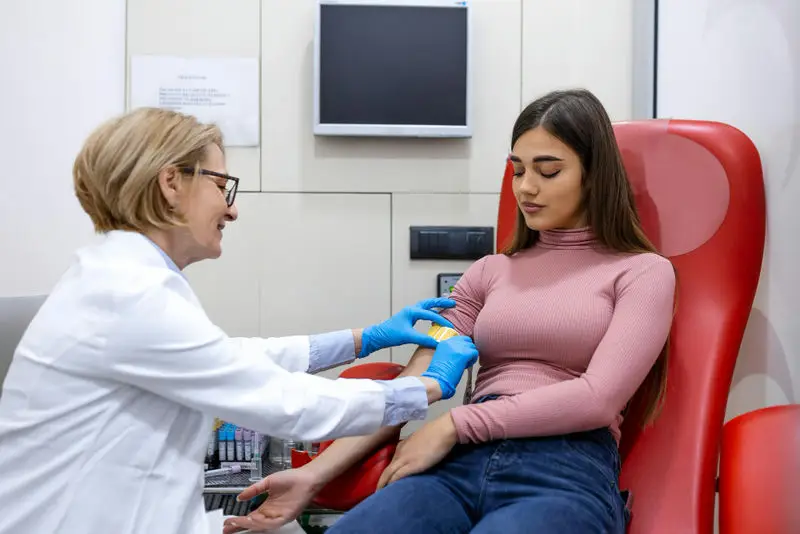
On SecondMedic the Men's Hair Fall Screening Advanced test costs about Rs. 2,447 (MRP Rs. 3,495) at the time of writing. Prices can change, so check the current price on the test page. A trained phlebotomist collects your blood sample at home, it is processed at a NABL certified Thyrocare lab, and your report is shared digitally within 48 to 72 hours.
When should you see a doctor?
See a doctor or dermatologist if you notice patchy bald spots, sudden heavy shedding, scalp redness or scaling, or if hair fall continues despite correcting deficiencies. Your report is most useful when someone reads it with your symptoms, so you can consult a doctor online after your results arrive. For a full picture of hair loss treatment options, see our guide to hair loss prevention, diagnosis and treatment.
This article is for general information and does not replace medical advice. A blood test helps identify contributing causes of hair fall but is not a diagnosis on its own.