- Published on: Dec 02, 2025
- 2 minute read
- By: Secondmedic Expert
Technology-Driven Patient Experience India: Transforming Healthcare For The Digital Era 2




India’s healthcare system is undergoing one of the most significant technology transformations in its history. From telemedicine to AI-driven diagnostics, patients are now at the center of a fully connected, efficient, and personalized digital ecosystem. Technology-driven patient experience India is redefining how people access care, interact with doctors, receive diagnostic services, and manage long-term health conditions.
According to NITI Aayog, India’s digital health market is expected to reach USD 50 billion by 2030, driven by telehealth, AI automation, digital records, and patient engagement platforms.
SecondMedic is playing a key role in delivering seamless, patient-first, technology-enabled healthcare.
1. Telemedicine: India’s New Healthcare Entry Point
Telemedicine usage in India surged nearly 400?ter 2020, and remains a primary care channel today.
Why patients prefer telemedicine:
-
Immediate access
-
Reduced waiting times
-
Affordable care
-
Safe & hygienic
-
Available 24/7
SecondMedic’s telemedicine platform connects patients to specialists within 5-10 minutes, making healthcare accessible anytime.
2. AI Tools That Improve Patient Experience
AI is now embedded across the patient journey.
Key uses:
-
AI symptom checkers
-
Predictive alerts
-
Automated triage
-
AI-based diagnostic interpretation
For chronic patients, AI-powered monitoring tools detect abnormalities early and notify doctors for timely intervention.
3. Digital Patient Records: A Single Health Identity
India’s ABDM (Ayushman Bharat Digital Mission) is creating unified digital health IDs.
Benefits:
-
All medical records in one place
-
Easy access to prescriptions
-
Faster doctor consultations
-
No lost files or repeated tests
SecondMedic integrates digital records, giving patients full control over their medical history.
4. Mobile Health Apps: Healthcare at Your Fingertips
Nearly 1 billion Indians use smartphones, making mobile health apps the backbone of patient experience.
Patients use apps for:
-
Booking consultations
-
Tracking symptoms
-
Managing chronic care
-
Viewing digital prescriptions
-
Accessing diagnostic reports
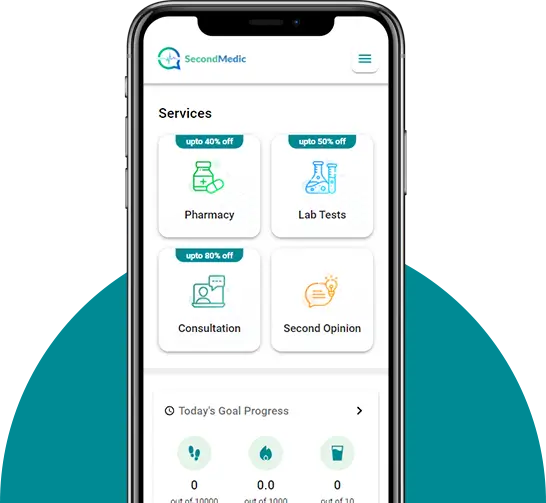
SecondMedic’s patient app allows seamless coordination of all services.
5. Smart Diagnostics & Home Testing
Technology has made diagnostics more convenient.
Advancements include:
-
Home sample collection
-
Digital test reports
-
Trackable diagnostic timelines
-
AI-enhanced report interpretation
Patients can order tests without visiting a lab, improving convenience and safety.
6. Wearable Tech & Remote Monitoring
Wearables monitor:
-
Heart rate
-
Oxygen saturation
-
Sleep patterns
-
Stress levels
-
Blood sugar (CGM sensors)
Remote monitoring systems help high-risk patients stay safe at home.
7. Automation in Patient Journeys
Automation has improved:
-
Appointment scheduling
-
Medicine reminders
-
Follow-up notifications
-
Report tracking
This reduces manual burden and enhances patient satisfaction.
8. The Future of Patient Experience India
In the coming years, patient experience will further evolve with:
-
Voice-based AI health companions
-
Personalized treatment paths
-
Automated health dashboards
-
VR-based rehabilitation
-
Predictive health scoring
-
Digital-first hospitals
Conclusion
Technology-driven patient experience India is creating a smarter, faster, and more compassionate healthcare ecosystem. By merging AI, telemedicine, smart diagnostics, and digital records, platforms like SecondMedic are delivering patient-centered care that is accessible to everyone, everywhere.
References
-
NITI Aayog Digital Health Report
-
ABDM - Ayushman Bharat Digital Mission Data
-
Statista India Telemedicine Usage
-
EY FICCI HealthTech Study
-
ICMR - Digital Monitoring Trends
Read FAQs
A. It refers to healthcare improved through digital tools like telemedicine, AI, apps, automation, and electronic health records.
A. It reduces wait times, improves convenience, and adds transparency.
A. Teleconsultations, AI symptom checkers, digital payments, health apps, and automated reminders.
A. Through 24/7 telemedicine, digital diagnostics, AI monitoring, and seamless medical records.
A. EHR adoption, AI triage, wearable monitoring, and remote care.


Digital Health Data Security Challenges India: Securing the Future of Digital 2Healthcare
As India rapidly digitizes its healthcare infrastructure-telemedicine platforms, electronic health records (EHRs), AI systems, and wearable data-security risks have escalated. Digital health data security challenges India are now a top priority because healthcare has become the number one target of cyberattacks worldwide.
A 2024 CERT-In report revealed that cyberattacks on Indian healthcare systems increased by 278% in a single year, making hospitals, telemedicine platforms, and diagnostic networks highly vulnerable.
SecondMedic recognizes the seriousness of these threats and has invested deeply in security infrastructure to protect patient data end-to-end.
1. Why Health Data Is the Most Valuable Target
Medical records contain:
-
Identity details
-
Medical history
-
Financial data
-
Prescriptions
-
Insurance information
This makes them more valuable on the dark web than credit card data.
Attackers use stolen health data for:
-
Fraudulent insurance claims
-
Blackmail
-
Illegal medical purchases
-
Identity theft
2. Major Digital Health Data Security Challenges in India
1. Cyberattacks on Hospitals and Telemedicine Platforms
India saw multiple ransomware attacks affecting:
-
AIIMS (Delhi)
-
State health servers
-
Diagnostic chains
These attacks disrupted services for days.
2. Weak Security in EHR Systems
Many clinics use outdated software with:
-
Weak passwords
-
No encryption
-
No access logs
This makes patient data vulnerable.
3. Telemedicine Data Exposure
Unsecured video calls, unencrypted chats, and public Wi-Fi create high-risk environments.
4. Wearable Device Vulnerabilities
Wearables send data to cloud servers.
Without secure APIs, this data can be intercepted.
5. Lack of Standardized Regulations
Though ABDM is improving the framework, India still lacks:
-
Standardized encryption enforcement
-
Strict penalties for breaches
-
Uniform hospital compliance
3. Compliance Requirements Under ABDM and DPDP Act
India’s Digital Personal Data Protection Act (DPDP 2023) mandates:
-
Patient consent for data usage
-
Secure processing
-
Limited access control
-
Breach notifications
ABDM governs:
-
Health IDs
-
Secure health data exchange
-
Interoperability standards
SecondMedic follows both frameworks.
4. How SecondMedic Ensures End-to-End Data Security
1. Encryption of All Patient Data
-
AES-256 encryption
-
Multi-layer secure cloud storage
-
Encrypted telemedicine communications
2. Role-Based Access Control
Doctors, administrators, and technical staff have different access rights.
3. Secure API Integrations
Data from labs, wearables, and pharmacies flows through secure, resistant APIs.
4. Regular Security Audits
Pen-testing and vulnerability assessments ensure new threats are patched.
5. Two-Factor Authentication (2FA)
Prevents unauthorized access.
6. Secure Prescription & Report Handling
Digital prescriptions are encrypted and tamper-proof.
5. Building Digital Trust for India’s Healthcare Future
Patients now expect:
-
Transparency
-
Security
-
Clear data usage policies
SecondMedic maintains strict data protection protocols, ensuring that every patient interaction-whether teleconsultation, diagnostic review, or preventive health plan-remains secure and confidential.
Conclusion
Digital health data security challenges India are real and growing. However, with stronger frameworks, advanced encryption, compliance with DPDP and ABDM, and dedicated platforms like SecondMedic prioritizing patient security, India is building a safer digital healthcare ecosystem. Protecting health data is not just a compliance requirement-it is the foundation of patient trust and the future of Indian healthcare.
References
-
CERT-In Cybersecurity Report 2024
-
DPDP Act 2023
-
ABDM Health Data Framework
-
NITI Aayog - Digital Health Roadmap
-
Kaspersky Healthcare Cyber Threat Report
-
Economic Times - Healthcare Cyberattacks India
Our Services
Request A Callback
Recent Posts




Aptamil Pepti Infant Formula 0 to 12 Months Tin 400gm
Brand: Nutricia International Private Limited
₹2000.00₹1960.00
View Details


Neocate LCP Infant Formula Powder 400GM
Brand: Nutricia International Private Limited
₹3300.00₹3234.00
View Details
Web Stories


Popular Lab Test






Live Doctor consultation
Live Doctor Chat

Fees ₹99
General Physician

Dr. Syed Mukhtar Mohiuddin
MBBS, MD , Fellowship in Diabetes Mellitus (UK)
- 7 Years
- English
Available at 00:00 to 07:00
Fees ₹99
General Physician
Fees ₹99
General Physician
Fees ₹99
General Physician
Fees ₹99
General Physician
Download Our App & Get Consultation from anywhere.