Q. How safe is general anesthesia intubation for elective surgeries?
Doctor Answer is medically reviewed by SecondMedic medical review team.
The safety and efficacy of general anesthesia intubation for elective surgeries have been studied extensively and the results are extremely encouraging. The overall risk of major complications is very low, with estimated rates of 0.2-0.7% in adults and 0.05 - 0.3% in children, according to a 2016 Cochrane review which included over 10,000 patients across multiple studies.
As far as specific risks associated with general anesthesia intubation for elective surgeries go, one meta-analysis from 2018 reported that there were significantly lower incidence rates for awareness during surgery, respiratory depression or arrest events during or immediately after induction or emergence from anesthesia and mortality associated with general anesthetics compared to reports before 2000 — only three events out of a total 4172 patient records!
These reassuring findings can be attributed largely to developments in airway management strategies such as advanced laryngoscopy techniques (eg videolaryngoscopy) and more widespread use of neuromuscular blocking drugs which help improve safety outcomes while providing better conditions under which the procedure can be carried out more effectively. Other developments include improved preoperative assessment and observation measures plus improvements in monitoring equipment has given an additional layer of protection when it comes to administering a safe anesthetic procedure even at lower doses saving time both before induction and recovery time afterwards allowing for shorter operating times overall leading to fewer complications post-operatively too!
In summary then: General Anesthesia Intubation for elective surgeries is one of the safest procedures due largely to advancements over recent years regarding our knowledge on airway management techniques alongside improved tools used either in preoperative assessment or intraoperative observation & monitoring allowing us greater control over both induction & emergence processes leading ultimately to less incidents during surgery & quicker recovery times afterwards resulting in fewer potential issues post operatively too!

Q. Hello Doctor, from past 3 weeks I have too much dandruff problem and it cause hair loss will you suggest any best solution for this?
Doctor Answer is medically reviewed by SecondMedic medical review team.
Answered by Secondmedic ExpertDealing with excessive dandruff leading to hair loss can be frustrating, but there are effective ways to address this issue. Here's what you can do:
1. Switch to a Gentle Shampoo: Opt for shampoos specifically designed for dandruff, containing ingredients like ketoconazole, zinc pyrithione, coal tar, or selenium sulfide. Use these shampoos regularly to reduce dandruff buildup.
2. Scalp Massage: Gently massage your scalp while shampooing to help remove flakes and improve blood circulation, which can promote healthier hair growth.
3. Avoid Hot Water: Wash your hair with lukewarm water instead of hot water, as hot water can dry out your scalp and worsen dandruff.
4. Balanced Diet: Ensure you're eating a balanced diet rich in vitamins and minerals essential for healthy hair and scalp, such as omega-3 fatty acids, zinc, and B vitamins.
5. Manage Stress: Stress can exacerbate dandruff problems. Practice stress-relief techniques like meditation, yoga, or regular exercise to help manage stress levels.
6. Apple Cider Vinegar Rinse: Consider using diluted apple cider vinegar as a rinse after shampooing. It can help restore the scalp's pH balance and reduce dandruff.
7. Consult a Dermatologist: If the issue persists despite trying home remedies or over-the-counter solutions, seek advice from a dermatologist. They can provide a personalized treatment plan tailored to your specific scalp condition.
Remember, consistency is key when dealing with dandruff. Give these remedies some time to work, as immediate results might not always occur. It's essential to find what works best for your scalp, so don't get discouraged if you don't see immediate improvements.
Taking care of your scalp health not only addresses dandruff but also aids in reducing hair loss associated with this issue. Feel free to incorporate these tips into your routine and observe how your scalp responds. If the problem persists or worsens, seeking professional guidance is always recommended.
Related Questions
Related Posts

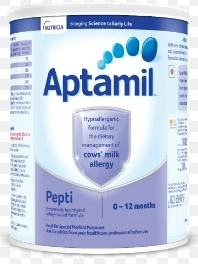
Aptamil Pepti Infant Formula 0 to 12 Months Tin 400gm
Brand: Nutricia International Private Limited
₹2000.00₹1960.00
View Details
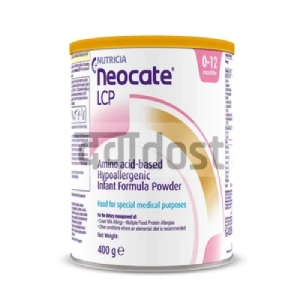
Neocate LCP Infant Formula Powder 400GM
Brand: Nutricia International Private Limited