Q. How do immunotherapy treatments work?
Doctor Answer is medically reviewed by SecondMedic medical review team.
Immunotherapy is a type of medical treatment that uses the body's own immune system to fight diseases, such as cancer. It works by stimulating and enhancing the body’s natural defenses against the disease.
Immunotherapy treatments involve either boosting or manipulating the body’s immune system in order to attack specific parts or cells of a disease. Depending on what type you receive, there are several ways your doctor might go about this process:
1) Monoclonal Antibodies: These are tailored antibodies created from specific healthy white blood cells which can be used to identify particular toxic substances within diseased cells and destroy them without affecting other areas of the body.
2) Checkpoint Inhibitors: This form of immunotherapy blocks proteins known as “checkpoints” which keep T-cells from attacking tumors directly. By blocking these checkpoints, it allows T-cells to attack and eliminate cancer cells more accurately..
3) Cancer Vaccines: While not widely available yet, cancer vaccines are designed specifically for each individual patient based on their genetic makeup. By leading T-cells towards tumors, they can create immunity against certain types of cancers inline with one's own genomic informationso reduce risk factors later in life when battling cancer again..
Overall, immunotherapies have revolutionized how we approach treating diseases like cancer - improving long term outcomes dramatically while minimizing side effects due to their ability to target only certain locations or cell types within an affected area while leaving healthy ones alone!

Q. Hello Doctor, from past 3 weeks I have too much dandruff problem and it cause hair loss will you suggest any best solution for this?
Doctor Answer is medically reviewed by SecondMedic medical review team.
Answered by Secondmedic ExpertDealing with excessive dandruff leading to hair loss can be frustrating, but there are effective ways to address this issue. Here's what you can do:
1. Switch to a Gentle Shampoo: Opt for shampoos specifically designed for dandruff, containing ingredients like ketoconazole, zinc pyrithione, coal tar, or selenium sulfide. Use these shampoos regularly to reduce dandruff buildup.
2. Scalp Massage: Gently massage your scalp while shampooing to help remove flakes and improve blood circulation, which can promote healthier hair growth.
3. Avoid Hot Water: Wash your hair with lukewarm water instead of hot water, as hot water can dry out your scalp and worsen dandruff.
4. Balanced Diet: Ensure you're eating a balanced diet rich in vitamins and minerals essential for healthy hair and scalp, such as omega-3 fatty acids, zinc, and B vitamins.
5. Manage Stress: Stress can exacerbate dandruff problems. Practice stress-relief techniques like meditation, yoga, or regular exercise to help manage stress levels.
6. Apple Cider Vinegar Rinse: Consider using diluted apple cider vinegar as a rinse after shampooing. It can help restore the scalp's pH balance and reduce dandruff.
7. Consult a Dermatologist: If the issue persists despite trying home remedies or over-the-counter solutions, seek advice from a dermatologist. They can provide a personalized treatment plan tailored to your specific scalp condition.
Remember, consistency is key when dealing with dandruff. Give these remedies some time to work, as immediate results might not always occur. It's essential to find what works best for your scalp, so don't get discouraged if you don't see immediate improvements.
Taking care of your scalp health not only addresses dandruff but also aids in reducing hair loss associated with this issue. Feel free to incorporate these tips into your routine and observe how your scalp responds. If the problem persists or worsens, seeking professional guidance is always recommended.
Related Questions
Related Posts

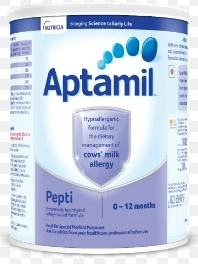
Aptamil Pepti Infant Formula 0 to 12 Months Tin 400gm
Brand: Nutricia International Private Limited
₹2000.00₹1960.00
View Details
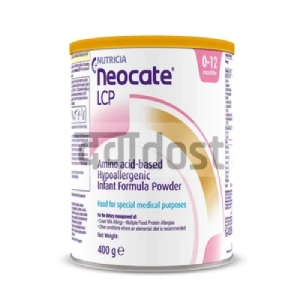
Neocate LCP Infant Formula Powder 400GM
Brand: Nutricia International Private Limited